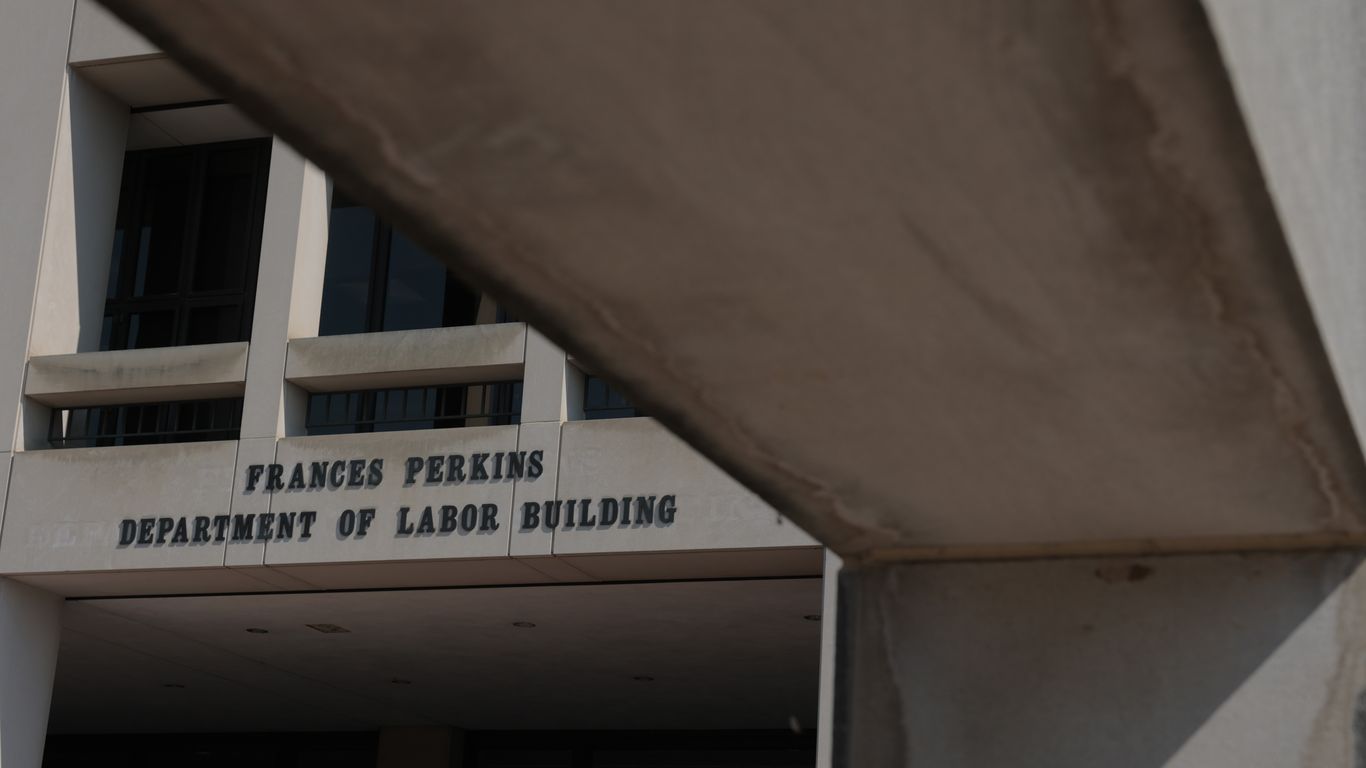
The Bureau of Labor Statistics (BLS) postponed the release of its annual consumer expenditures data, which is crucial for determining the weighting of specific goods and services in the future Consumer Price Index (CPI), citing a data quality issue and rescheduling it for October 30. This delay, initially without a stated reason, has intensified concerns among financial professionals regarding the accuracy, politicization, and overall reliability of key U.S. economic statistics, particularly given BLS staffing shortages and ongoing internal scrutiny, potentially impacting future inflation forecasts and market analysis.
The Bureau of Labor Statistics (BLS) has postponed its annual consumer expenditures data release, a critical input for determining the weighting of components in the Consumer Price Index (CPI). Although a new date of October 30 has been provided, citing a 'data quality issue', the initial unexplained delay has amplified significant concerns regarding the integrity and reliability of core U.S. economic statistics. This event occurs within a challenging context for the agency, which is grappling with documented staffing shortages, budget limitations, and plummeting survey response rates. These operational pressures are compounded by political influences, highlighted by the recent dismissal of the BLS commissioner and a controversial new nomination, raising flags about the future independence and accuracy of data. While the rescheduled release may be timely enough for the January 2026 CPI update, the situation injects a material level of uncertainty into future inflation modeling, a risk underscored by the report's strongly negative sentiment and high market impact score.
AI-powered research, real-time alerts, and portfolio analytics for institutional investors.
Overall Sentiment
strongly negative
Sentiment Score
-0.65
