Samsung reported robust Q3 results, with consolidated revenue reaching ₩86.1 trillion ($60.5 billion), a 15.4% sequential increase, and operating profit surging 160% QoQ to ₩12.2 trillion ($8.5 billion). Strategically, the company announced plans to bolster the competitiveness of its Exynos processors for flagship models, directly challenging Qualcomm, and is aggressively expanding its memory business by focusing on mass production and sales of HBM4, DDR5, LPDDR5x, and high-density QLC SSDs to capture the growing AI market demand. Concurrently, Samsung launched a Windows version of its 'Samsung Internet' browser, aiming for 'ambient AI' integration, signaling a broader push into the software ecosystem to compete with Google.
Samsung reported robust Q3 results, with consolidated revenue reaching ₩86.1 trillion ($60.5 billion), a 15.4% sequential increase, and operating profit surging 160% QoQ to ₩12.2 trillion ($8.5 billion). This financial rebound is underpinned by strategic shifts, particularly in its memory and processor businesses. The company aims to strengthen the competitiveness of its Exynos processors for flagship models, directly challenging Qualcomm's dominance.
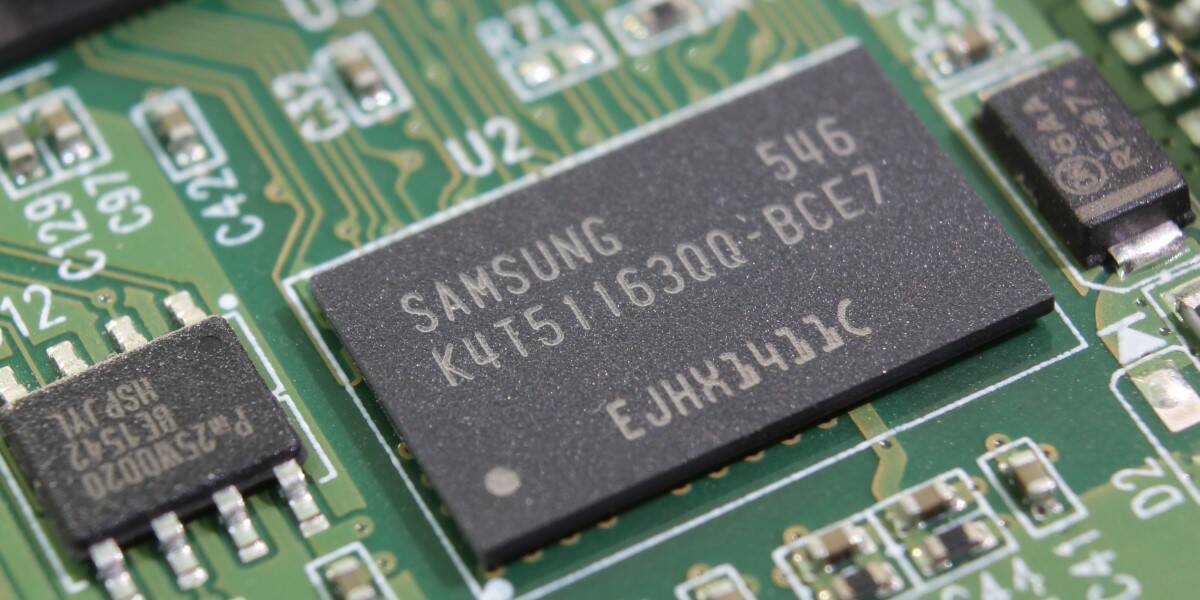
A key driver for future growth is Samsung's aggressive expansion into high-value memory products for AI applications. The company plans mass production of HBM4 products with differentiated performance and aims to scale its HBM sales base, following record Q3 revenue in its memory unit, partly due to HBM3E mass production. Samsung is also expanding sales of DDR5, LPDDR5x, and high-density QLC SSDs, positioning itself to capture a larger share of the AI infrastructure boom, a market it previously struggled to penetrate.
Concurrently, Samsung is making a strategic push into the software ecosystem by launching a Windows version of its "Samsung Internet" browser. This move signals an intent to compete with Google and establish a "gateway to truly ambient AI across the Samsung Galaxy ecosystem," aiming for more intelligent and personalized browsing experiences. While its mobile browser market share is currently low (7.43%), this PC expansion indicates a broader ambition to integrate AI-driven services across devices.
AI-powered research, real-time alerts, and portfolio analytics for institutional investors.
Overall Sentiment
strongly positive
Sentiment Score
0.75
Ticker Sentiment
