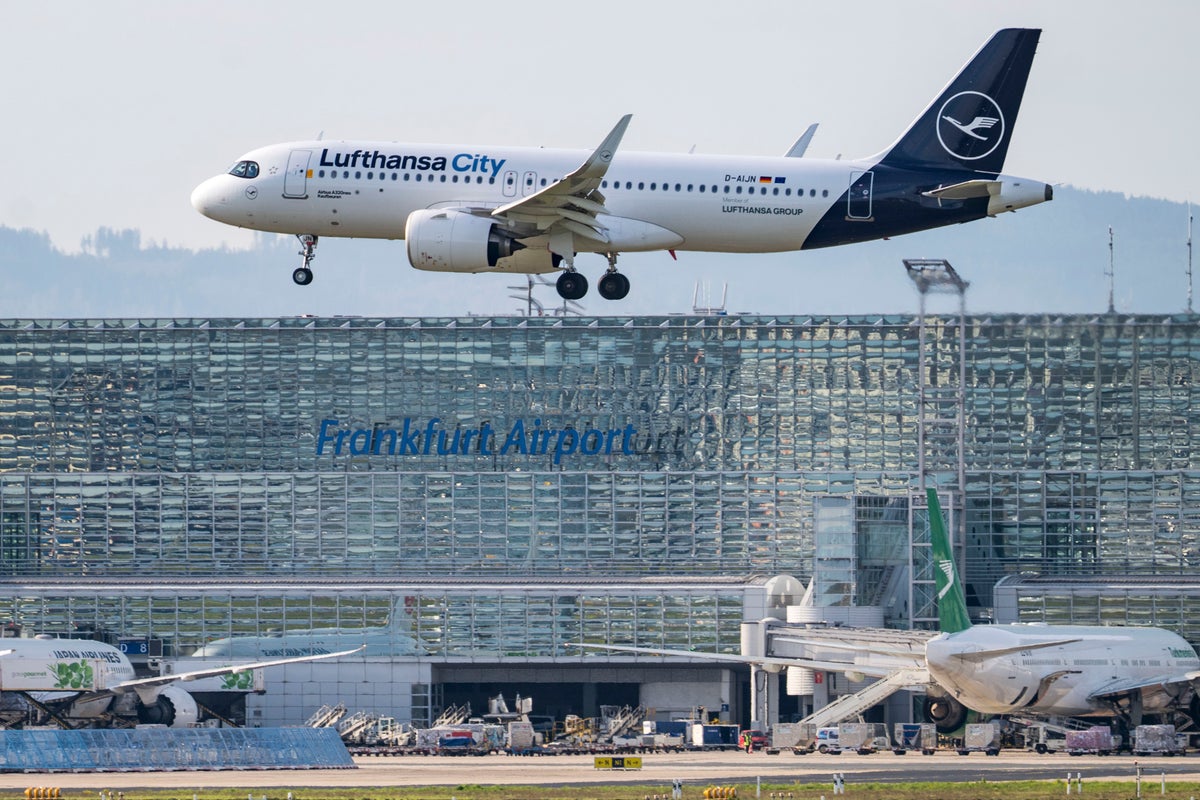
The Iran war is driving a jet fuel squeeze that is forcing Lufthansa to ground as many as 27 planes, while Nigerian airlines warn they may stop flying as soon as Monday amid a roughly 270% rise in fuel prices since late February. EasyJet, Ryanair, Wizz Air and Lufthansa all fell on the news, and airlines are responding with fare hikes, fuel surcharges and route cuts as bookings soften and fuel shortages loom. The closure of the Strait of Hormuz, refinery disruptions and emergency supply scrambling across Europe and Australia point to broader pressure on airline margins and travel demand into the summer peak.
The first-order read is “higher fuel costs hurt airlines,” but the more important second-order effect is capacity discipline. When a low-cost carrier starts grounding aircraft rather than chasing marginal routes, it signals the industry is moving from demand management to supply destruction, which supports fare inflation even if bookings soften. That is structurally more damaging for network carriers with high fixed costs than for carriers with stronger hedging books and flexible fleets.
Ryanair looks relatively better positioned than peers because its scale, younger fleet, and historically tighter fuel cost control should let it defend unit costs while weaker operators are forced to trim schedules. By contrast, Lufthansa is exposed to labor friction plus fleet rationalization, so the war shock compounds an existing restructuring story into a margin-reset risk. EasyJet is the cleaner “consumer demand elasticity” test case: if late bookings remain soft into the next 4-8 weeks, the market will likely de-rate not just earnings but summer load-factor expectations for the entire European short-haul complex.
The real macro transmission is from aviation into inflation expectations and freight-like spillovers across travel, tourism, and regional transport. If jet fuel remains tight for another 1-2 months, expect hotel operators, online travel agencies, airports, and airport services to face a delayed demand hit even if headline passenger traffic holds up, because the consumer will trade down, book later, or shorten trip duration. The consensus may be underestimating how quickly airlines can pass through cost pressure in peak season; the bigger risk is not immediate volume collapse, but a margin reset that arrives just as hedges roll off.
Contrarian take: the selloff in cyclicals tied to European aviation may be overdone if the conflict de-escalates or if supply reroutes normalize faster than feared. But absent a rapid diplomatic thaw, the path of least resistance is still higher fares, fewer seats, and lower earnings revisions over the next quarter, with the weakest balance sheets absorbing the brunt first.
AI-powered research, real-time alerts, and portfolio analytics for institutional investors.
Request DemoOverall Sentiment
strongly negative
Sentiment Score
-0.72
Ticker Sentiment
