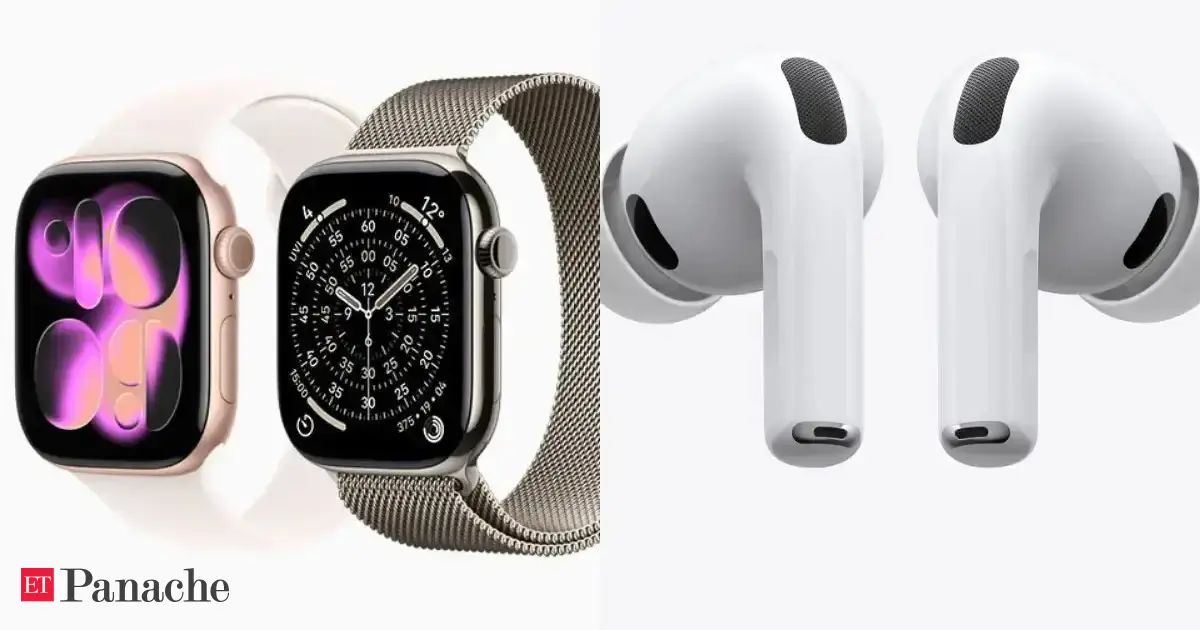
Apple is rolling out new preventive health features across Apple Watch and AirPods, including sleep apnea notifications on Apple Watch SE 3, Series 9-11, Ultra 2 and Ultra 3, plus at-home hearing tests on AirPods Pro 2 and 3. The sleep apnea tool uses 30-day breathing disturbance tracking, while the hearing test delivers a personalized audiogram in about five minutes and can support mild to moderate hearing loss. The launch underscores Apple's push to position its devices as consumer healthcare tools, but the immediate market impact should be limited.
Apple is extending its moat from “device utility” into “health trust,” which matters more for retention than for near-term unit upside. Preventive features create a higher switching cost because they bind the user’s longitudinal health record to Apple’s ecosystem; that is a subtle but meaningful monetization lever for Services and accessories over a multi-year horizon. The market likely underestimates how much this shifts Apple from a hardware replacement-cycle story toward an always-on health platform with recurring engagement.
The second-order winner is the AirPods category, not just Watch. If clinical validation becomes a consumer expectation, Apple’s hardware roadmap gets a built-in upsell engine: better sensors, stronger noise isolation, and tighter iPhone integration become feature gates for premium pricing. That should pressure smaller wearables and hearables vendors that lack the installed base, longitudinal data, or regulatory credibility to match Apple’s cadence.
The key risk is trust degradation from false positives or over-alerting, which would be reputational rather than financial and could take quarters to surface. Regulatory scrutiny is another latent overhang: the more these tools look like medical devices, the more Apple invites compliance costs and slower launch cycles, especially outside the U.S. The bull case is that even conservative adoption can move ARPU indirectly through accessory attach and ecosystem stickiness without requiring a large hardware TAM expansion.
Consensus is likely too focused on the novelty of the features and too little on data network effects. The underappreciated thesis is that Apple is quietly building a proprietary health dataset that competitors cannot replicate at scale, which could eventually support higher-margin services, insurer partnerships, or employer health offerings. That makes this less about a one-off product enhancement and more about optionality on a new platform layer.
AI-powered research, real-time alerts, and portfolio analytics for institutional investors.
Request DemoOverall Sentiment
mildly positive
Sentiment Score
0.35
Ticker Sentiment
