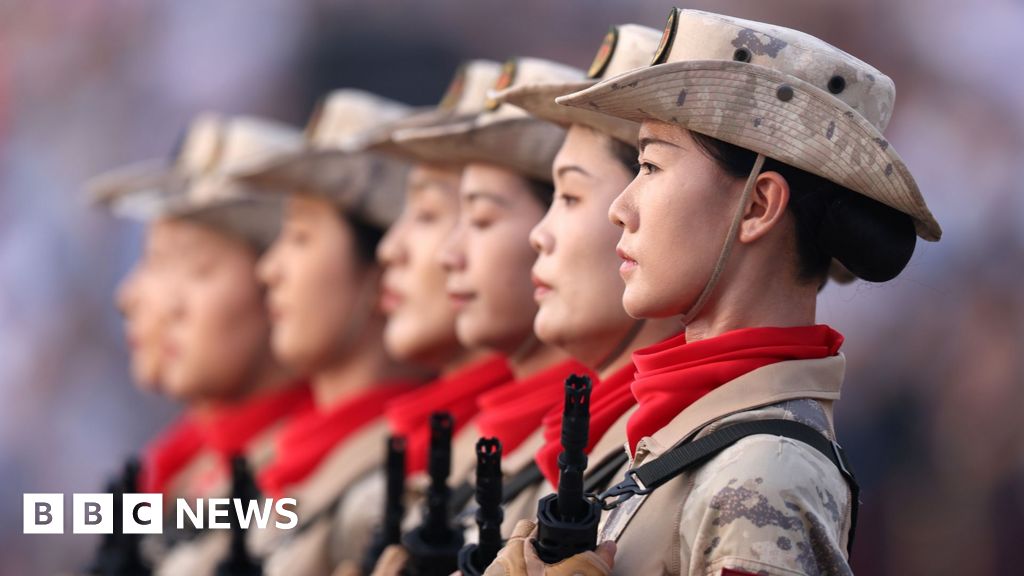
China's recent military parade showcased its growing global power, while President Trump's 'America First' tariff policies are inadvertently fostering new geopolitical alignments, notably warming relations between China, Russia, and India. This high-risk trade strategy, aimed at protecting US industry, now faces significant domestic legal challenges, as US courts are ruling against the basis of many tariffs. The combination of shifting international alliances and domestic legal uncertainty creates considerable risk and an unclear outlook for global trade and geopolitical stability.
The current US administration's 'America First' trade policy is creating significant geopolitical and domestic legal risks, contributing to a highly uncertain global trade environment. While President Trump's tariff strategy is intended to protect US industry, it is generating unintended diplomatic consequences, most notably fostering a closer economic and political alignment between China, Russia, and India, as evidenced by their recent summit in Tianjin. This emerging bloc represents a potential counterweight to the US-led global order. Simultaneously, the legal foundation of this protectionist policy is under severe threat domestically. A US appellate court has ruled that many tariffs were enacted based on a 'faulty interpretation of federal law,' escalating the matter to the Supreme Court. The outcome is uncertain, as the court has previously expressed skepticism toward expansive presidential authority without explicit congressional consent. This confluence of shifting international alliances and a precarious legal standing for US tariffs introduces substantial volatility and questions the long-term viability of the administration's core economic strategy.
AI-powered research, real-time alerts, and portfolio analytics for institutional investors.
Overall Sentiment
strongly negative
Sentiment Score
-0.65
