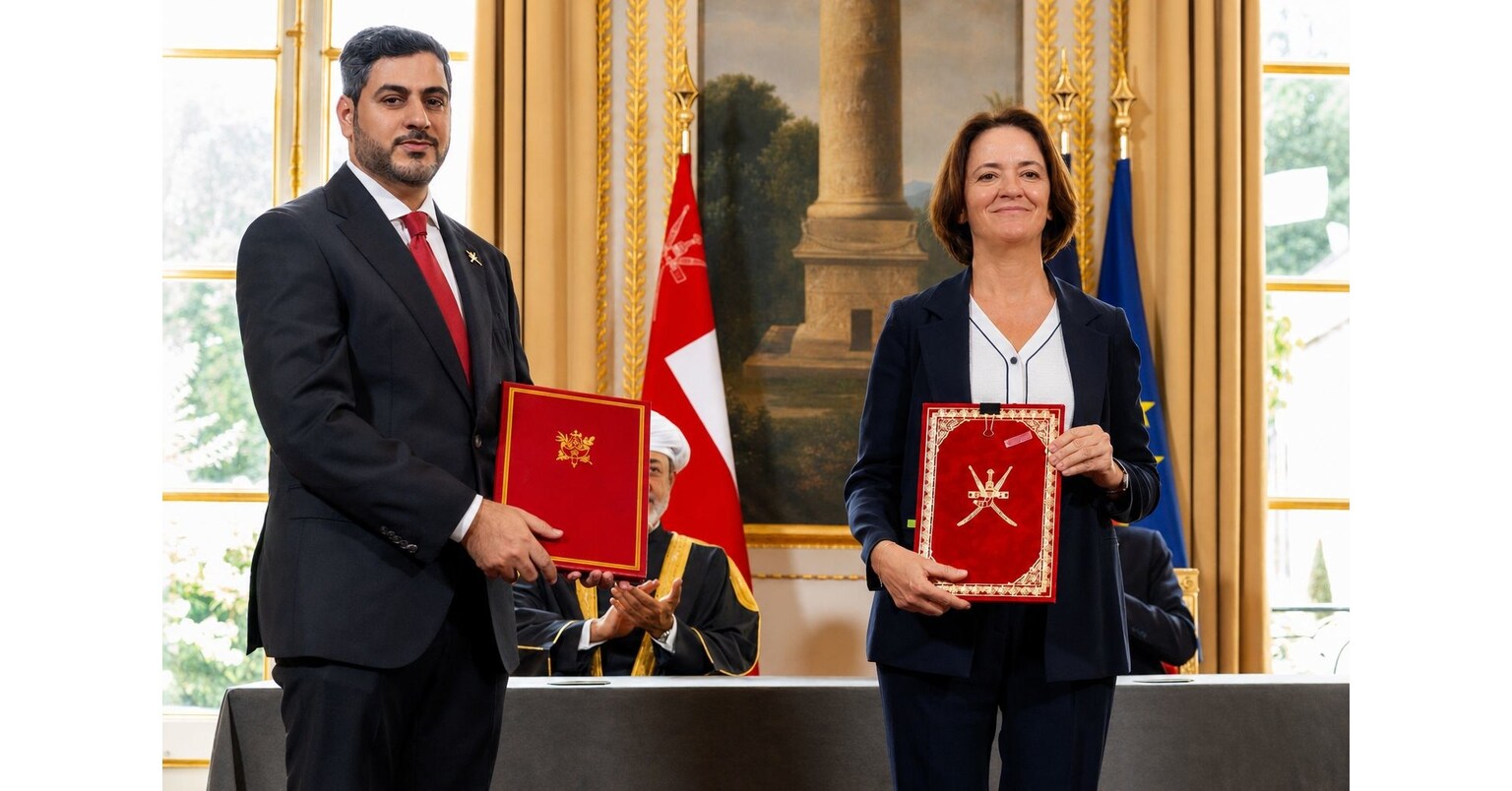
Oman and France (via EDF power solutions) signed agreements in Paris covering a 2,000MW Jabal Abyad pumped hydro energy storage framework and a PPA for a 500MW Al Kamil Solar PV IPP—both aimed at strengthening Oman’s grid stability and raising renewable penetration. The MoU also supports a 1,000MW sustainable digital infrastructure platform for artificial intelligence, advanced computing, and cloud services in line with Oman Vision 2040.
This reads less like a pure renewables headline and more like a sovereign-backed systems-integration signal. The monetizable layer is not the megawatts themselves; it is the grid hardware, controls, cooling, and financing stack that makes intermittent power usable for industrial load growth and data centers. That favors electrical equipment, thermal management, and transmission beneficiaries over generic solar beta.
The pumped-hydro component is the key second-order tell: long-duration storage is being chosen where geography allows it, which is a local competitive threat to battery-storage vendors in similar markets but not a broad secular headwind globally. If GCC governments keep pairing clean power with digital infrastructure, the real upside is in higher-quality, longer-duration PPAs and a denser order book for grid-enabling industrials over the next 6-18 months.
Near term, this is mostly headline flow unless the framework converts into FID and procurement awards. The main falsifiers are delays in technical studies, financing slippage as rates stay elevated, or a slowdown in AI datacenter capex. If the market overreacts by bidding clean-energy ETFs, that looks fadeable; the more durable opportunity is in power-infrastructure names with backlog leverage, not in solar modules or broad ESG baskets.
AI-powered research, real-time alerts, and portfolio analytics for institutional investors.
Overall Sentiment
strongly positive
Sentiment Score
0.55
Ticker Sentiment
