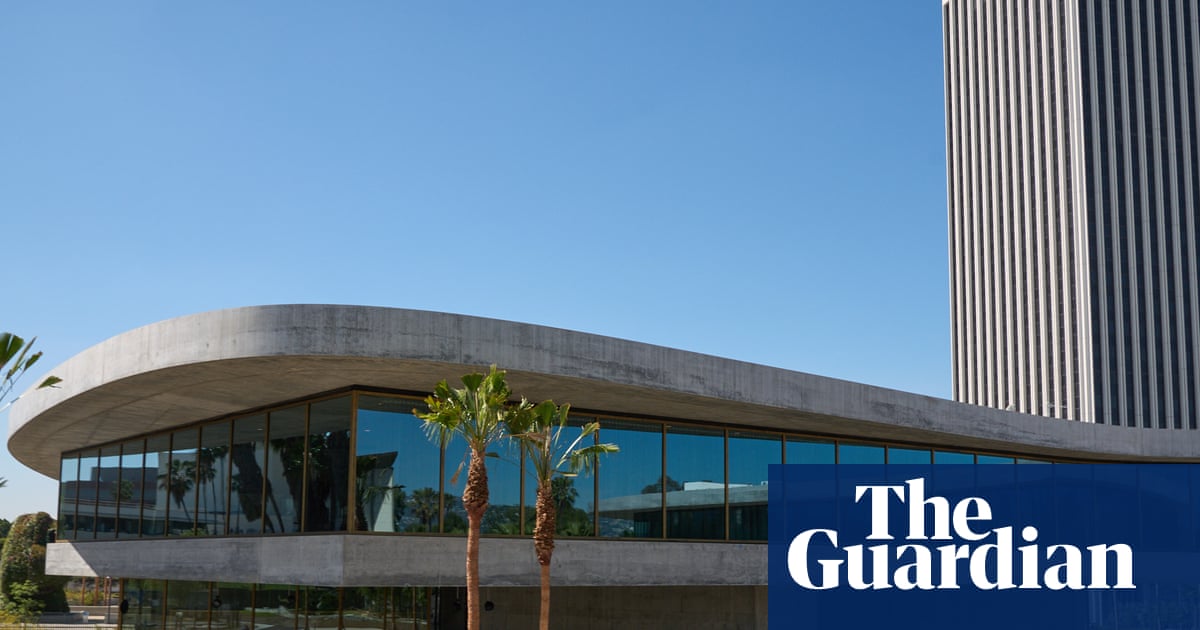
LACMA’s new David Geffen Galleries open after two decades of planning, at a reported cost of $724m, with $125m from LA County and the rest fundraised. The project is architecturally ambitious but controversial due to heavy concrete use, a large carbon footprint, and extensive steel reinforcement, though it is expected to boost museum traffic, events, and nearby retail activity. The article is primarily a cultural/real-estate and infrastructure story rather than a direct market-moving corporate event.
This is less a museum story than a case study in capital formation through signature infrastructure. The real economic winner is not the institution’s operating margin, but the fundraising flywheel: when a project becomes a civic monument, donors tolerate lower near-term utility in exchange for status, tax efficiency, and legacy. That dynamic is favorable for the entire premium philanthropy ecosystem—especially firms and asset managers that benefit when UHNW clients reallocate from financial sponsorship to tangible civic assets—but it also raises the bar for future projects, where the benchmark becomes spectacle rather than functionality.
The second-order loser is the adjacent urban fabric. A fortress-like cultural asset can create destination traffic, but it also pulls demand toward controlled, high-income consumption corridors instead of broad neighborhood spillover. Over 12-24 months, the likely effect is a modest uplift to nearby luxury retail, parking, hospitality, and experiential dining, while the “everyday” street retail remains underwhelmed unless foot traffic is deliberately programed. The project’s carbon intensity is also a governance signal: in a tightening ESG regime, this kind of project becomes a litigation/reputation template for activist scrutiny of endowments, donors, and construction contractors with weak emissions disclosure.
The contrarian read is that this is not obviously a bad trade for the donor class. In a world of scarce prestige assets, tangible cultural infrastructure can be an inflation hedge against financial asset fatigue and a durable status marker that is harder to replicate than a naming-rights campaign. The market may be underpricing how often wealthy patrons will continue to pay up for “cathedral” projects even as public sentiment shifts; that supports premium brands in construction finishes, bespoke interiors, luxury home goods, and high-end grocery concepts that monetize the same exclusivity impulse.
Catalyst risk is mostly reputational, not operational, and it unfolds over quarters rather than days: if media framing converges on carbon waste, exclusion, and donor vanity, the project becomes a negative halo for associated names. If instead the building becomes a social-media destination, the upside accrues to adjacent consumer and travel beneficiaries quickly. The key question is whether footfall converts into spend; if not, the asset becomes a beautiful liability that still enriches the surrounding premium ecosystem.
AI-powered research, real-time alerts, and portfolio analytics for institutional investors.
Request TrialOverall Sentiment
neutral
Sentiment Score
0.05
