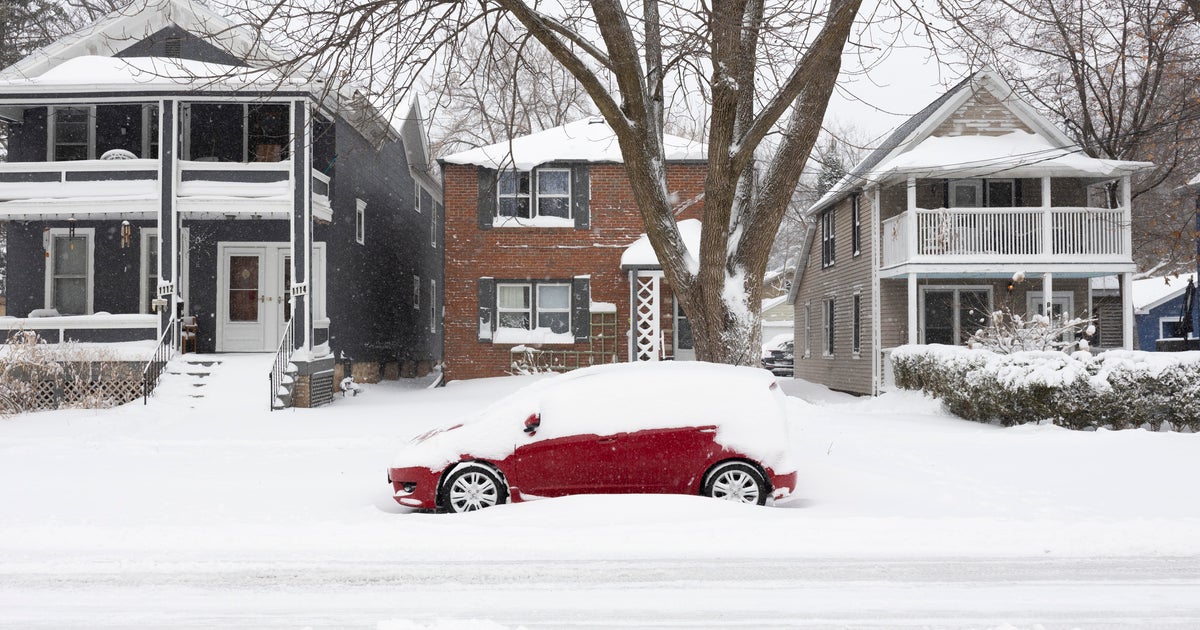
Almost 13,000 flights were canceled or delayed nationwide (with >2,100 affected as of 6 a.m. Tuesday) and more than 500,000 customers were without power early Tuesday, signaling acute disruption to airlines and utilities. The storm produced blizzard conditions in the Midwest (nearly 3 ft in Mountain, WI), confirmed four tornadoes in Missouri, while a heat dome will push Phoenix into five straight 100°F days and California toward ~90°F; Nebraska wildfires have burned >1,140 sq miles and Hawaii saw 15–30+ inches of rain in spots. Expect localized credit/operational stress for regional carriers, utilities and property insurers, but limited market-wide implications absent escalation.
The market is treating weather noise as isolated events, but the real macro vector is increased simultaneity and geographic dispersion of extremes, which magnifies logistical friction and pushes more spending into contingency (generators, repairs, temporary lodging) rather than discretionary categories. That raises marginal demand for short-cycle goods and services (portable power, HVAC, building materials) for the next 3–12 months while depressing near-term travel/airline unit revenue for 2–6 weeks as routing and staffing frictions compound.
Insurers and reinsurers face two offsetting forces: higher near-term claim frequency and pricing power via upcoming rate renewals. Expect a compressed timeline where elevated losses cause stock weakness in the quarter of occurrence but then sharper rate increases that restore underwriting margins over 6–18 months — creating asymmetric windows for both shorts and tactical longs.
Power and gas markets will see acute, regionally concentrated stress points where demand spikes intersect constrained supply (peakers, pipeline bottlenecks, transmission damage). These create tradable episodes of outsized power basis and spark spreads in California/Arizona and parts of the South over days-to-weeks; players with dispatchable capacity or flexible gas exposure can monetize these episodes.
Consensus overlooks one second-order regulator/capital cycle: repeated extremes accelerate infrastructure capex mandates (grid hardening, wildfire mitigation, airport resiliency) and thus favor beneficiaries of long-term public and private contracts (utility-scale storage, transmission builders, specialty contractors) over consumer-facing travel names that only see transient demand shifts.
AI-powered research, real-time alerts, and portfolio analytics for institutional investors.
Request DemoOverall Sentiment
mildly negative
Sentiment Score
-0.35
