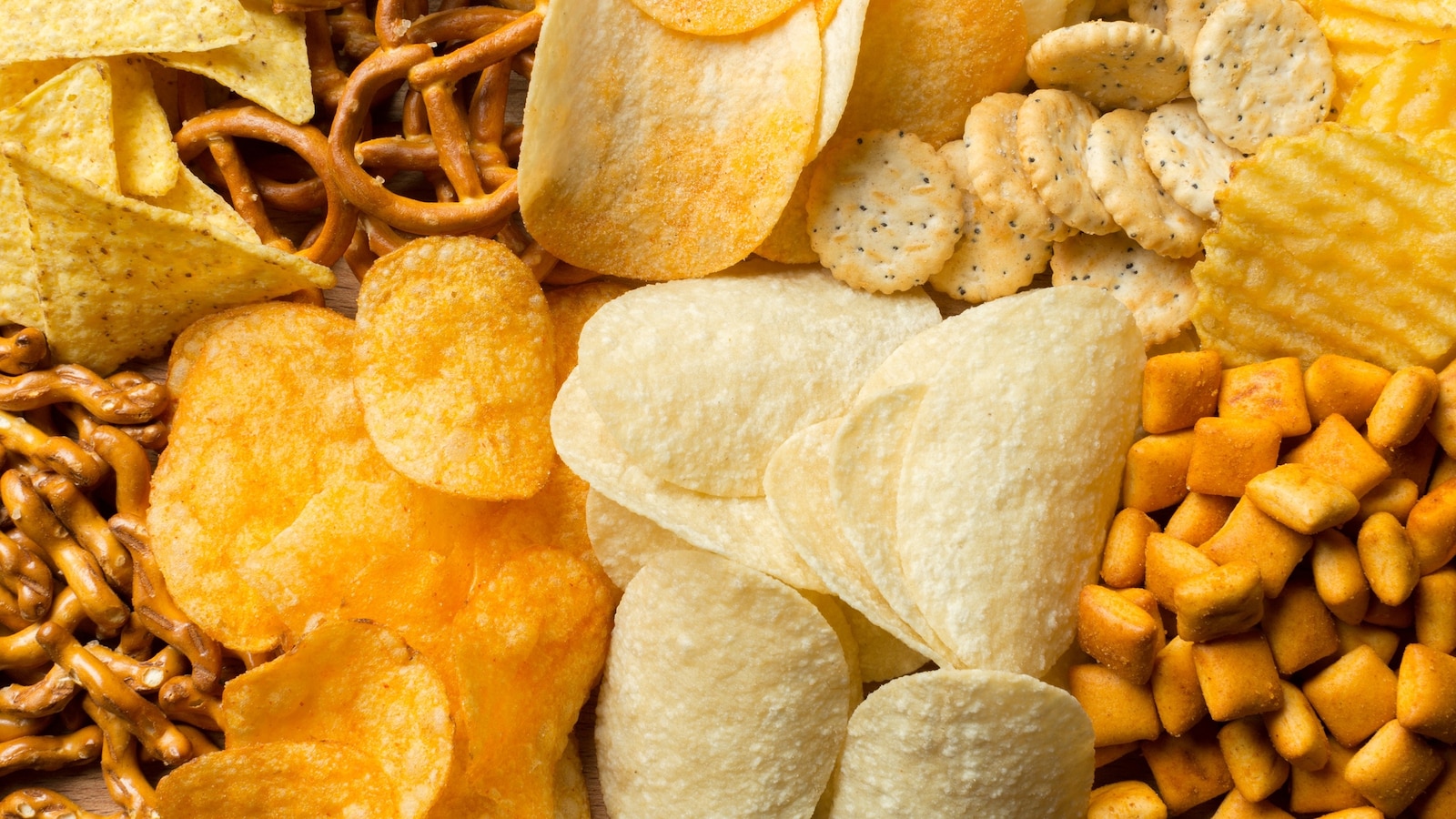
Two studies in Hypertension modeling modest sodium reductions in processed foods in France and the U.K. find material public‑health benefits: a 0.35 g/day reduction from lower bread salt in France could lower blood pressure and prevent more than 1,100 deaths, while U.K. reformulation across packaged and takeout foods—estimated to cut daily sodium intake by 17.5%—could prevent over 100,000 cases of heart disease and 25,000 strokes over 20 years. The analysis highlights that average American sodium intake (≈3,500 mg/day) far exceeds AHA limits (2,300 mg/day, 1,500 mg for hypertensives) and suggests industry reformulation (minimal taste impact) or policy action could yield meaningful healthcare cost and public‑health outcomes, with modest implications for processed‑food manufacturers and retail demand.
Market structure: Salt-reduction initiatives mainly compress demand for food-grade sodium and raise reformulation costs for packaged-food incumbents. Winners: grocers/retailers with strong fresh-perimeter assortments (likely to gain share if consumers shift), and large CPGs with scale/R&D that can quietly reformulate; losers: niche high-sodium brands and pure-play salt/seasoning suppliers (Compass Minerals CMP) where food-grade demand could fall several percent. Pricing power shifts toward retailers and big-brand CPGs that can absorb or spread reform costs; commodity salt prices likely immaterially affected (<5% demand swing implied), so cross-asset impact is concentrated in equities and single-name credit for ingredient suppliers, with negligible FX/bond-market effects in the near term. Risk assessment: Tail risks include sudden regulatory mandates (federal/local sodium caps) that force rapid, costly reformulation and potential litigation if reformulation harms sales — low probability but high impact within 6–18 months. Hidden dependencies: reformulation may substitute potassium chloride or flavor enhancers, raising demand for food-grade KCl and shifting input risk to potash/chemicals suppliers; also consumer taste inertia means revenue declines are possible if reformulation is mishandled. Key catalysts over 30–180 days: FDA/AHA guideline updates, major retailer or QSR voluntary commitments, and earnings commentary during next two CPG reporting cycles. Trade implications: Near-term (weeks–months) favor long exposure to large grocers (KR, COST) and selective short exposure to salt/ingredient suppliers (CMP) and weaker CPGs with narrow margins (KHC, CPB). Pair trades: long Kroger (KR) vs short Kraft Heinz (KHC) over 6–12 months as a relative consumer-preference rotation play. Use options for asymmetric risk: buy modest put spreads on vulnerable CPGs ahead of earnings or regulatory announcements and call spreads on strong grocers to limit capital at risk. Contrarian angle: The market may overstate revenue risk to big CPGs—historical parallels (trans-fat and sugar reformulations) show incumbents largely mitigated losses via formulation and marketing, so outright long-term destruction is unlikely. Conversely, the modest absolute reduction in sodium needed to hit public-health targets implies ingredient suppliers may be disproportionately punished; be wary of knee-jerk selloffs in large, diversified CPG names which could be underpriced. Unintended consequences include regulatory scrutiny of salt substitutes (potassium) that could flip winners/losers among chemical/fertilizer names within 12–24 months.
AI-powered research, real-time alerts, and portfolio analytics for institutional investors.
Request DemoOverall Sentiment
neutral
Sentiment Score
0.05
