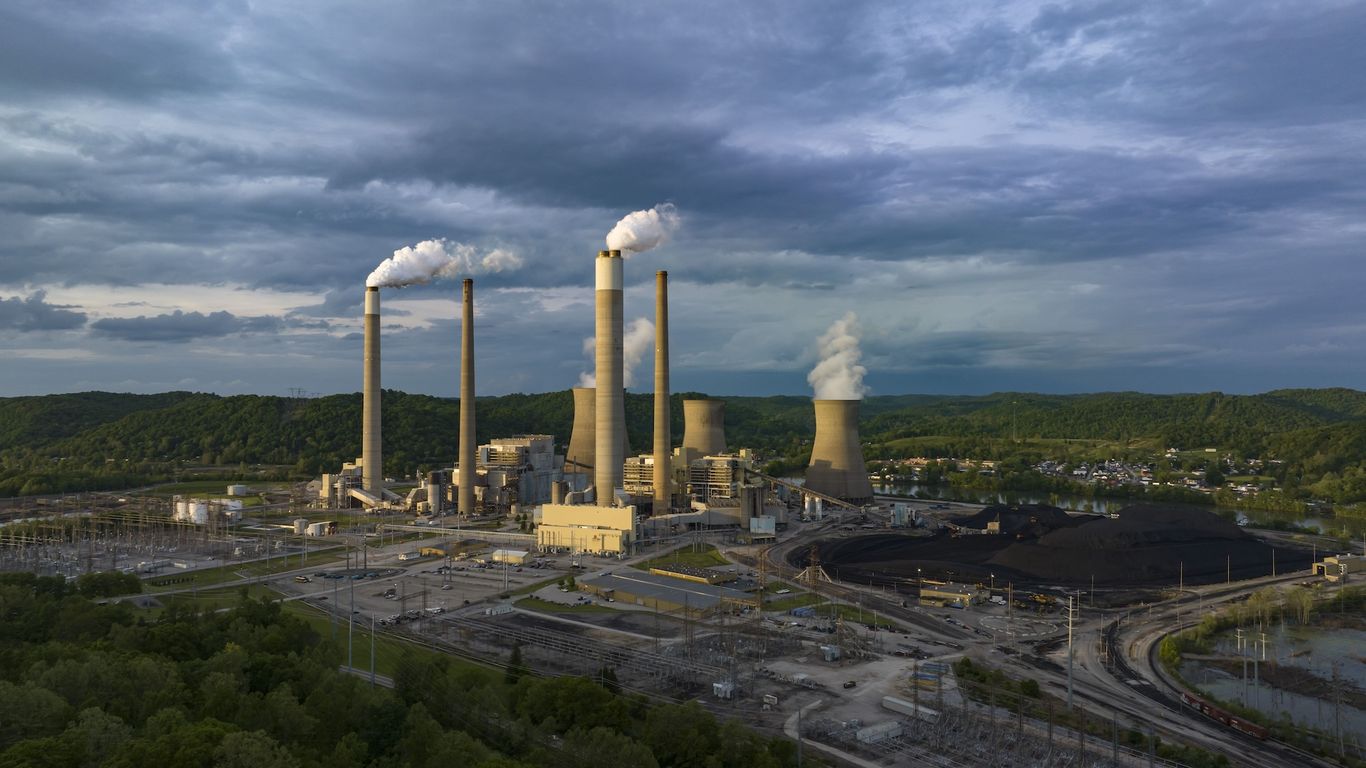
EPA Administrator Lee Zeldin announced draft plans to overturn the agency's 2009 'endangerment finding' for greenhouse gases, which provides the legal basis for many climate regulations under the Clean Air Act. This action, seen as a direct effort to dismantle existing climate rules and paired with a proposal to roll back vehicle emissions standards, is expected to trigger significant litigation. The move has broad implications for the energy and industrial sectors, potentially reshaping the federal regulatory landscape for environmental policy and making future emissions regulation more challenging.
The Environmental Protection Agency (EPA) has initiated a significant regulatory shift by issuing draft plans to overturn its 2009 'endangerment finding,' a foundational legal precedent that classifies greenhouse gases as pollutants harmful to human health under the Clean Air Act. This action, stemming from the 2007 Supreme Court decision in Massachusetts v. EPA, directly threatens the legal underpinning of existing and future federal climate regulations for major sources like power plants and vehicles. The move is being explicitly coupled with a proposal to roll back automotive climate rules and is presented by the administration as a measure to alleviate economic burdens, framing it as an 'economic issue.' However, this policy is guaranteed to face immediate and substantial legal challenges from environmental organizations, who decry the move as a dangerous disregard for scientific consensus. The high market impact score of 0.7 underscores the move's consequence, creating profound regulatory uncertainty and a potential fast-track for dismantling environmental rules through litigation, as noted by ClearView Energy Partners.
AI-powered research, real-time alerts, and portfolio analytics for institutional investors.
Overall Sentiment
moderately negative
Sentiment Score
-0.50
