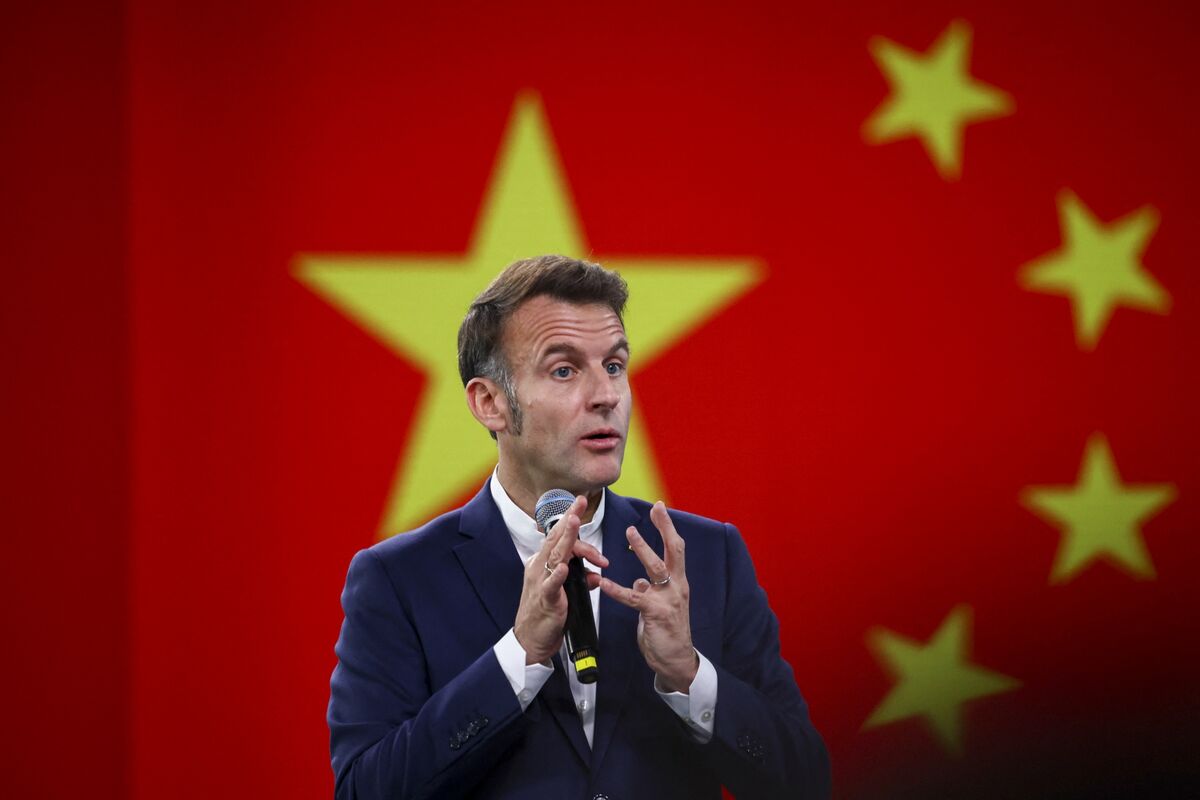
French President Emmanuel Macron said he will push for a "European preference" for electric vehicles as the EU drafts new auto-industry proposals, advocating more technological flexibility and neutrality by 2035 and noting consensus with Germany. Announced during a state visit to China, the comment signals a potential regulatory tilt that could favor EU automakers and suppliers and alter trade dynamics with non‑EU producers if codified, but it is a policy stance rather than an immediate legislative change.
Market structure: A formal “European preference” will widen economic moat for EU-headquartered OEMs and battery/value‑chain firms by shifting procurement and public procurement toward local suppliers; expect relative revenue upside of +3–8% for incumbents with EU plants over 12–36 months if local-content rules exceed ~30–40%. Non‑EU exporters that rely on cross‑border shipments to EU markets (notably Korean/Japanese exporters) face share erosion and margin pressure from compliance costs. Pricing power for European suppliers (cells, cathodes, recyclers) improves as capex cycles accelerate; raw‑material demand for Li/Ni/Co would increase 10–25% from baseline depending on localization speed.
Risk assessment: Tail risks include WTO challenges, China retaliation (tariffs or quota cuts) and a scramble for localized battery raw materials that spikes input inflation; probability medium (20–30%) with high impact on 2025–2028 margins. Immediate market moves (days/weeks) will be sentiment driven; legal codification and factory capex choices determine medium/long‑term (6–36 months) outcomes. Hidden dependencies: semiconductor supply, grid upgrades, and permitting risk for battery factories—bottlenecks could delay benefits despite supportive policy.
Trade implications: Favor EU OEMs and battery/materials names: consider long Stellantis (STLA), VW ADS (VLKAY) and Umicore (UMI.BR) and long lithium exposure via ALB or LIT ETF; short/underweight large non‑EU exporters like Toyota (TM) or Hyundai (HYMTF) with >30% export-to‑EU exposure. Options: buy 9–18 month calls on STLA or vertical call spreads to cap premium; buy 6–12 month calls on ALB or LIT to play commodity squeeze. Monitor legislative text within next 60–120 days; if local‑content >=40% trim positions by 30% to realize gains.
Contrarian angles: Consensus may overstate ease of localization—battery raw materials are global and scaling EU supply will take 3–6 years, not months; initial policy may incentivize capex but also raise vehicle prices, slowing adoption and creating opportunity in hybrids/ICE suppliers that pivot. Historical parallels: “Buy local” industrial policies (US steel, solar) produced incumbent gains but also supply bottlenecks and higher consumer prices—watch for unintended inflationary drag and potential fiscal offsets.
AI-powered research, real-time alerts, and portfolio analytics for institutional investors.
Request DemoOverall Sentiment
neutral
Sentiment Score
0.15
