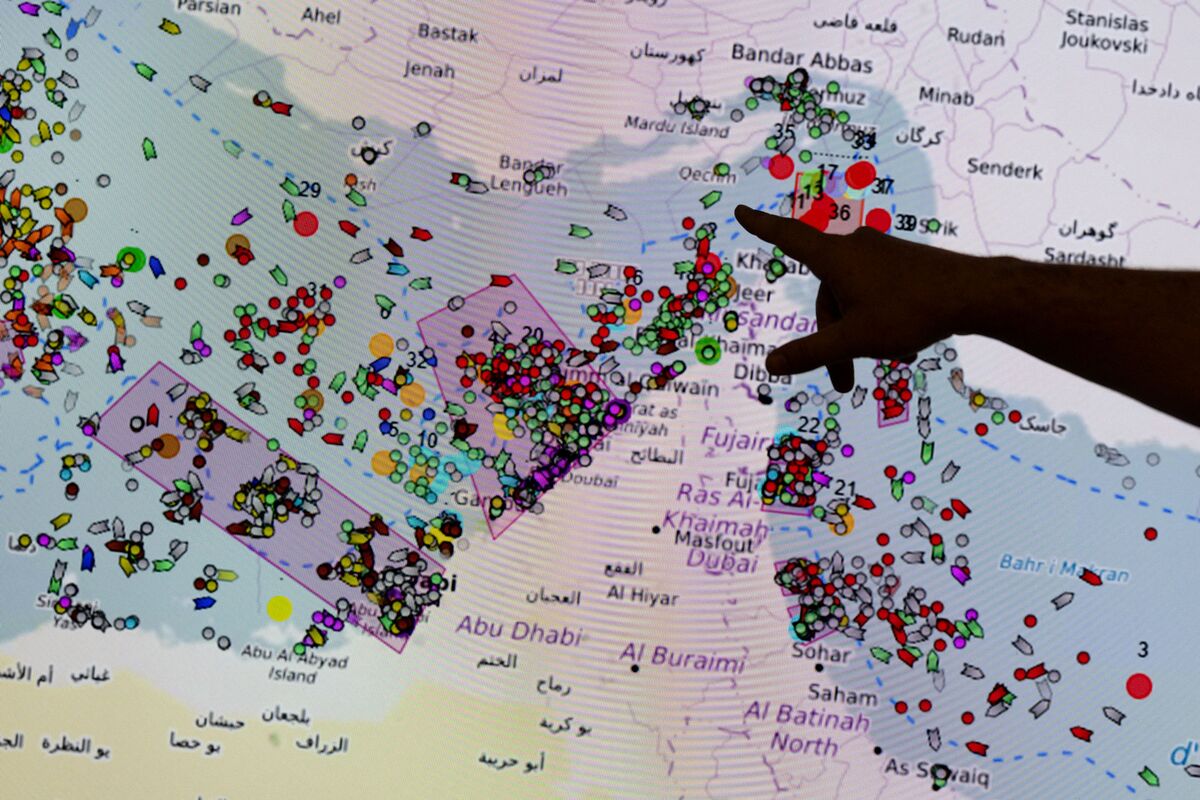
India summoned Iran’s deputy ambassador to lodge a strong protest after an Indian seafarer was killed and 10 others injured in attacks on two commercial vessels (MT Al Bahiyah and MT Mombasa) transiting the Strait of Hormuz. The ships carried 30 Indian seafarers out of a combined crew of 46 when they were attacked. The incident escalates regional security risk that can disrupt key shipping lanes tied to broader energy and supply-chain costs.
This is less about one vessel and more about the market repricing the probability of intermittent Hormuz disruption. The first beneficiaries are upstream energy, oil-field services, and any asset with embedded optionality to higher prompt crude; the more interesting second-order winner is non-Middle East crude logistics, where US, West African, and North Sea barrels can capture a higher delivered premium even if headline supply is unchanged. That argues for a relative-value bid in XLE/XOP versus broad cyclicals, because the margin impulse flows straight through to energy cash flow while most consumer and industrial sectors absorb the cost.
The losers are import-dependent refiners, airlines, chemicals, and Indian domestic consumption proxies: higher landed energy costs are a tax on margins and FX reserves, and India is particularly exposed because it cannot easily substitute away from seaborne crude on short notice. If the market starts pricing a sustained risk premium, the path is through shipping insurance, freight rates, and inventory behavior before it shows up in outright physical shortages. Watch for a knee-jerk move in crude that fades unless there is evidence of repeat attacks, not just diplomatic noise.
Contrarian view: the move may be overdone if this remains a one-off security event without follow-through, because spare global capacity and strategic inventories can cushion a few days of disruption. The real catalyst window is 1-3 months: repeated incidents, retaliation, or escort operations that force rerouting would justify a more durable energy and tanker bid; otherwise the premium should decay quickly. What would falsify the bullish energy/risk thesis is Brent failing to hold the post-event spike and shipping insurers not repricing within days.
AI-powered research, real-time alerts, and portfolio analytics for institutional investors.
Request TrialOverall Sentiment
mildly negative
Sentiment Score
-0.35
