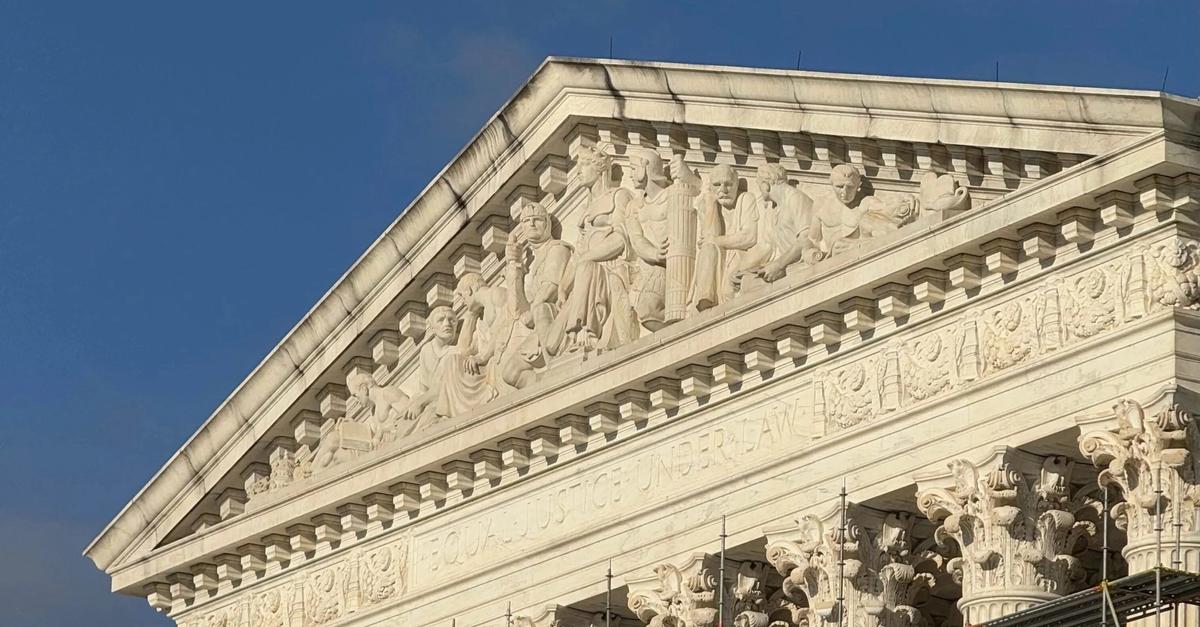
The Supreme Court immediately finalized its Louisiana v. Callais decision, clearing the way for Louisiana to draw a new congressional map in time for the 2026 elections; Justice Ketanji Brown Jackson dissented. The court also temporarily paused a 5th Circuit ruling requiring in-person dispensing of mifepristone, preserving access for now while responses are due Thursday and the stay expires May 11. Separately, Apple asked the court to stay a 9th Circuit mandate related to App Store commission practices, underscoring ongoing legal pressure on the company.
The near-term read-through is much bigger for AAPL than the headline debate around court procedure suggests. The contempt posture keeps App Store economics under a microscope and increases the probability of structural pressure on the take-rate for in-app digital goods, where even a modest reduction in commission can hit high-margin services revenue disproportionately. More important, this is not a single-case risk anymore: it reinforces a broader legal template that can be exported into other platform fee disputes, so the market should treat it as a creeping margin multiple problem rather than a one-off fine.
The Louisiana map ruling is a political and market-risk catalyst, but the second-order effect is that it accelerates redistricting maneuvering in multiple Southern states over the next 1-3 months. That raises volatility for regional election-sensitive names and for any policy baskets tied to voting-rights litigation, but the larger equity implication is indirect: it strengthens the probability of a more favorable House composition for Republicans in 2026, which could eventually lower legislative friction for deregulation trades. Near term, however, the path is noisy, with court follow-on challenges and state implementation risk creating headline whipsaws rather than clean directional exposure.
The abortion-pill stay underscores that emergency docket decisions can alter operational assumptions overnight, but the key portfolio point is that legal outcomes are becoming more binary and faster-moving across healthcare access and digital distribution. That favors optionality over outright equity exposure when the revenue line is vulnerable to sudden injunction reversals. The contrarian angle on AAPL is that investors may be underpricing the compounding effect of these legal defeats because the absolute revenue at risk per case looks small; the real issue is precedent-driven repricing of platform power and the potential for lower terminal multiples.
For the Court itself, the growing use of expedited rulings and emergency relief increases event risk around dates rather than quarters. That means catalyst windows are tighter, hedging needs to be shorter-dated, and consensus models that assume slow judicial friction are likely too complacent. In practice, this argues for trading the legal calendar, not the litigation headlines.
AI-powered research, real-time alerts, and portfolio analytics for institutional investors.
Request DemoOverall Sentiment
neutral
Sentiment Score
0.02
Ticker Sentiment
