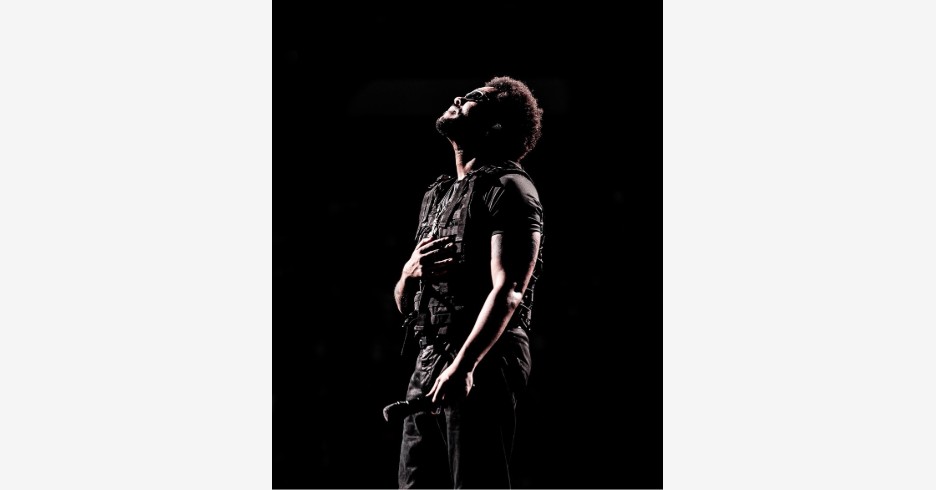
The Weeknd’s After Hours Til Dawn Stadium Tour returns across Europe/UK with record performance: it topped $1B in global gross in 2023/24 timeframe, selling 7.5M+ tickets across 153 shows, and in 2026 alone generated $440M+ from 3M+ tickets. The Asia final leg adds expanded demand—17 shows vs 11 originally announced—across major stadiums in Tokyo, Jakarta, Singapore, Seoul, Bangkok, Hong Kong and Kuala Lumpur. The tour also includes philanthropic commitments, donating €1 per European ticket and £1 per UK ticket to Global Citizen’s education fund and the WFP XO Humanitarian Fund.
The investable read-through is less about the artist and more about proof that premium live entertainment still clears at higher price points and longer runs without visible demand fatigue. That supports the economics of ticketing/promoter ecosystems over the next 1-3 months, but the actual listed-equity beneficiaries are thin: most value is captured by the artist/promoter, while venue and sponsor spillovers are mostly local and transient.
SPOT is the only obvious public-market name with any real linkage, but the uplift is mostly top-of-funnel rather than durable monetization. Tour-driven streaming spikes tend to be short-lived and low-ARPU; unless management can convert the fandom surge into higher ad load, premium subs, or sustained retention, the stock won’t re-rate on catalog popularity alone. The better second-order read is that the market for eventized fandom remains healthy, which is constructive for live-entertainment multiples broadly, but not enough by itself to move the needle on fundamentals.
Contrarian angle: the consensus will likely treat this as a clean bullish signal for everything adjacent to concerts, but the economic transfer from a sold-out tour to public comps is highly diluted. The more relevant question is whether consumers are still absorbing high ticket prices despite softer discretionary spending; if that holds into the next earnings season, it argues for less downside in live-event names than the market expects. What would falsify the constructive read is any evidence of slower sell-through on future stadium tours, falling resale prices, or negative commentary from promoters on lead times and concessions, which would imply the demand curve is normalizing faster than the headline cadence suggests.
AI-powered research, real-time alerts, and portfolio analytics for institutional investors.
Request DemoOverall Sentiment
mildly positive
Sentiment Score
0.40
Ticker Sentiment
