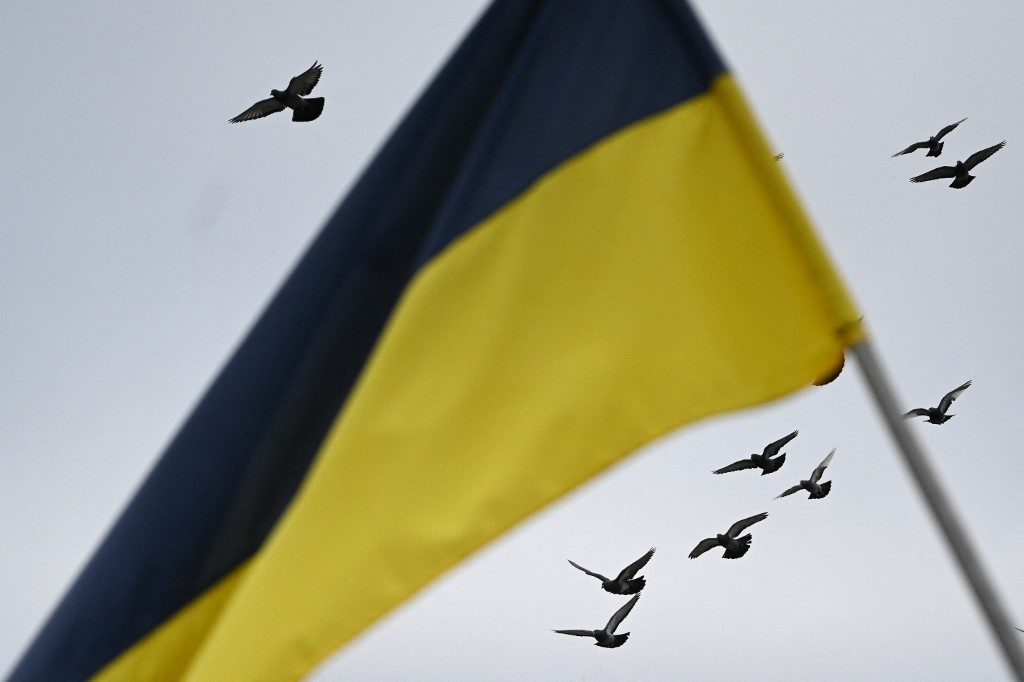
Germany’s growth outlook has been cut to around 0.5% this year as higher oil prices and Russia’s disruption of Kazakh flows via the Druzhba pipeline tighten energy supply, lifting inflation and pressuring industry. The EU has proposed a €90 billion package to fund roughly two-thirds of Ukraine’s budget and military needs through 2026-27, but a projected €64 billion gap remains for 2027. The article argues that economic strain in Germany and broader European fatigue are increasing pressure on leaders like Friedrich Merz to contemplate territorial compromises in any future Ukraine peace deal.
The market implication is not a clean ‘peace is good / war is bad’ binary. The more relevant second-order effect is that European policy drift now raises the probability of a prolonged, lower-intensity conflict financed through the fiscal system, which is typically worse for European cyclicals than for defense or energy. If Berlin becomes more tolerant of territorial compromise to preserve domestic stability, the marginal winner is not equity risk broadly — it is any asset tied to sustained rearmament, energy security, and fiscal looseness.
The real transmission channel is German domestic fragility. Higher energy costs plus softer growth create a policy mix that crowds out discretionary spending and forces larger defense-fiscal tradeoffs over the next 4-8 quarters. That’s negative for German industrial activity, chemical margins, freight, and capex-heavy exporters with high EU exposure; the tail risk is a confidence shock that hits small caps and banks first through weaker loan demand and credit quality.
For Ukraine-linked support, the key risk is not an abrupt cut-off but funding fatigue becoming incremental and conditional. Markets usually underprice this kind of slow erosion because it doesn’t show up as a headline event; it shows up in lower order books for defense procurement, delayed infrastructure spending, and a wider spread between stated commitments and actual disbursements. If the war extends into another winter with energy stress still unresolved, the political opt-in for compromise rises materially.
Contrarian angle: the move may be overread as an immediate policy pivot. Germany has incentives to sound flexible while still spending on defense and energy resilience, so rhetoric could diverge from actual cash flows. That suggests the better trade is not a pure directional bet on de-escalation, but a relative-value position favoring defense and energy-security beneficiaries over German domestic cyclicals that are most sensitive to prolonged stagnation.
AI-powered research, real-time alerts, and portfolio analytics for institutional investors.
Request DemoOverall Sentiment
moderately negative
Sentiment Score
-0.35
