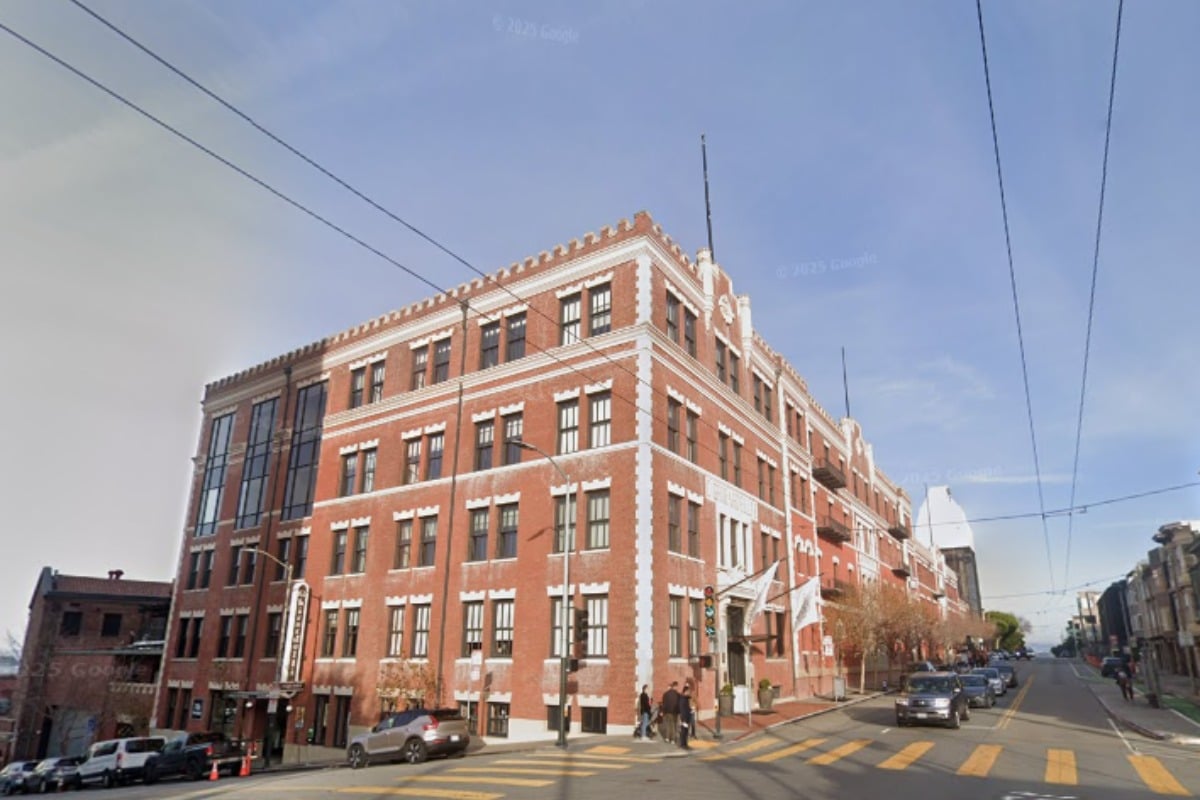
Ghirardelli Square, the 12-building waterfront complex at 900 North Point Street, has changed hands from Jamestown to Embrace Real Estate and an affiliate of 1823 Partners; financial terms were not disclosed. The new owners plan to refresh the tenant mix and visitor programming, and have hired Continuum Partners to handle leasing and day-to-day operations. Jamestown previously paid about $56 million in 2013 and increased occupancy from roughly 55% to fully leased, helping drive nearly nine million annual visitors.
This looks less like a cyclical retail call and more like a controlled capital-recycling event: a non-core, trophy-ish experiential asset changing hands to a holder that is explicitly signaling patient capital. The key implication is that the new owner’s edge is likely operating leverage, not redevelopment intensity — small improvements in tenant quality and programming can lift dwell time, conversion, and ancillary spend faster than they can lift base rent, which is the right model for a tourist-dependent asset.
The second-order winner is the surrounding ecosystem: nearby hotels, tour operators, parking operators, and selective food-and-beverage concepts should gain if the new manager successfully upgrades the tenant mix without disrupting foot traffic. The likely loser is the undifferentiated souvenir/commodity retail cohort, where rent tolerance will compress as operators push for higher-productivity tenants; that can create short-term churn but improve asset quality over 12–24 months.
The main risk is execution, not demand. In a high-visibility location, any perceived “gentrification” of the experience can backfire with locals and tourists if the curation becomes too polished or too expensive, reducing repeat visitation even if headline occupancy stays high. Another risk is that a patient-capital owner may accept a slower NOI ramp than the market expects, which matters if buyers underwrite immediate lease-up and quick mark-to-market growth.
Consensus may be overestimating how much value can be created from tenant swaps alone. The real optionality is in programming density and conversion economics, but those benefits typically show up over several quarters, not immediately; near-term optics can look flat even as the asset quality improves. If the new operator can stabilize a few high-productivity anchors and add event-driven traffic, this can become a template for similar urban tourist assets, but if not, it will remain a low-beta hold with limited near-term catalyst.
AI-powered research, real-time alerts, and portfolio analytics for institutional investors.
Request TrialOverall Sentiment
neutral
Sentiment Score
0.10
