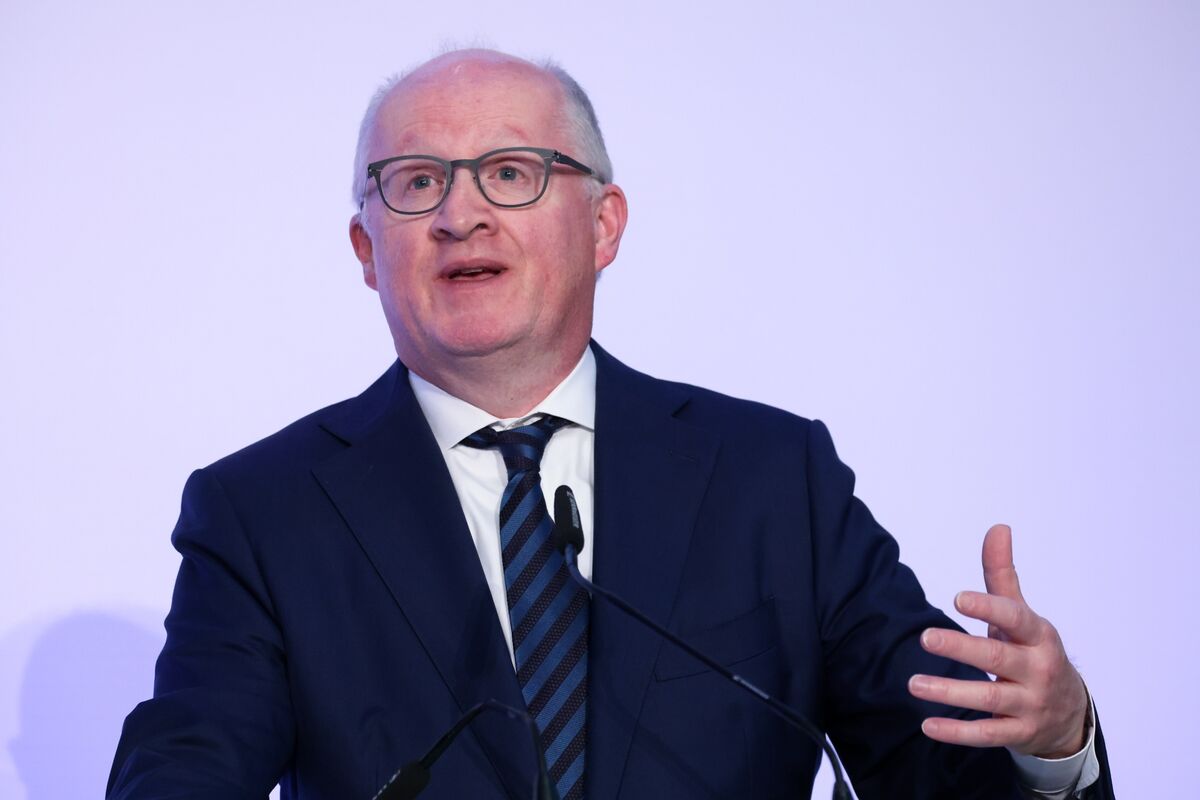
ECB Chief Economist Philip Lane said inflation remains in the pipeline despite the US-Iran agreement to reopen the Strait of Hormuz, warning that the Middle East conflict has already unleashed price pressures that have not fully reached the economy. He noted oil prices have not simply returned to their pre-crisis path, keeping upside inflation risks alive. The remarks reinforce a cautious, hawkish ECB stance and could affect rate expectations if energy prices stay elevated.
The market’s mistake is to focus on headline de-escalation while ignoring the lag structure of energy pass-through. Even if physical oil retraces, the ECB’s problem is the pipeline from spot prices to refined fuels, freight, utilities, and eventually services inflation; that lag is typically measured in months, not days. In other words, the inflation impulse can still peak after the geopolitical shock has already faded from screens, which keeps policy hawkish even if crude stabilizes.
Second-order winners are not the obvious oil beta names alone, but European firms with pricing power and light energy intensity: telecoms, software, select healthcare, and consumer staples should outperform cyclicals if input-cost pressure persists while demand slows. The bigger loser set is rate-sensitive European domestic cyclicals—retail, autos, construction, and small-cap industrials—because they face a double squeeze from delayed inflation and a central bank that cannot quickly signal relief. Banks are mixed: nominal rates help margins, but if inflation is viewed as supply-driven and growth-negative, credit risk rises and the benefit decays.
The contrarian view is that the market may be underpricing the probability of a second inflation wave precisely because the initial geopolitical shock looked contained. If oil remains merely “elevated” rather than spiking, the consensus may assume it is benign; that is dangerous because persistent mid-$80s Brent-equivalent pricing can still sustain upward pressure on transport and food baskets without triggering obvious panic. The key catalyst is not another headline from the Middle East, but 1-2 months of firmer Eurozone inflation prints that force the ECB to keep real rates restrictive longer than consensus expects.
AI-powered research, real-time alerts, and portfolio analytics for institutional investors.
Request DemoOverall Sentiment
mildly negative
Sentiment Score
-0.25
