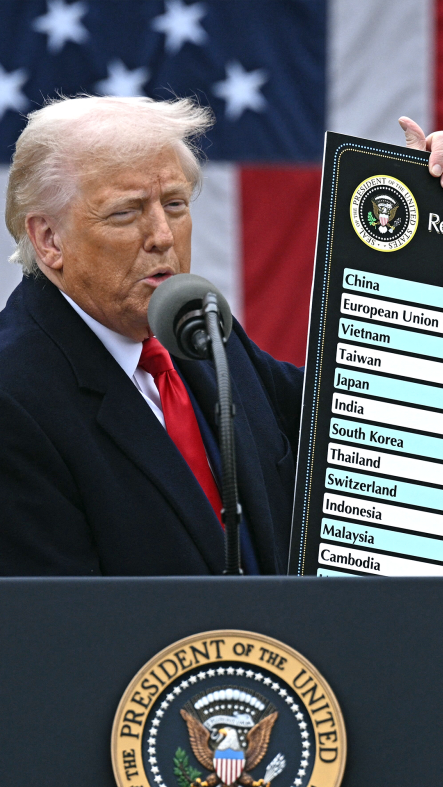
Bloomberg reports that despite recent trade deals, the U.S.-China trade war is unlikely to end completely due to ongoing tensions over technology, intellectual property, and geopolitical influence. The article suggests that these underlying issues will continue to fuel trade disputes and protectionist measures, impacting global supply chains and market sentiment, even with the implementation of "Phase One" style agreements.
Despite the implementation of "Phase One" style trade agreements, the U.S.-China trade war is likely to persist due to deeply rooted tensions concerning technology, intellectual property, and geopolitical influence, as reported by Bloomberg. These underlying issues are anticipated to continue fueling trade disputes and protectionist measures, thereby posing ongoing risks to global supply chains and influencing market sentiment. The situation carries a moderately negative sentiment and an uncertain tone, with a market impact score of 0.6, suggesting that investors should remain vigilant regarding developments in this sphere. The persistence of these disputes highlights a complex interplay of trade policy, tariffs, geopolitical maneuvering, and domestic political considerations that will likely shape international economic relations.
AI-powered research, real-time alerts, and portfolio analytics for institutional investors.
Request DemoOverall Sentiment
moderately negative
Sentiment Score
-0.50
Ticker Sentiment
