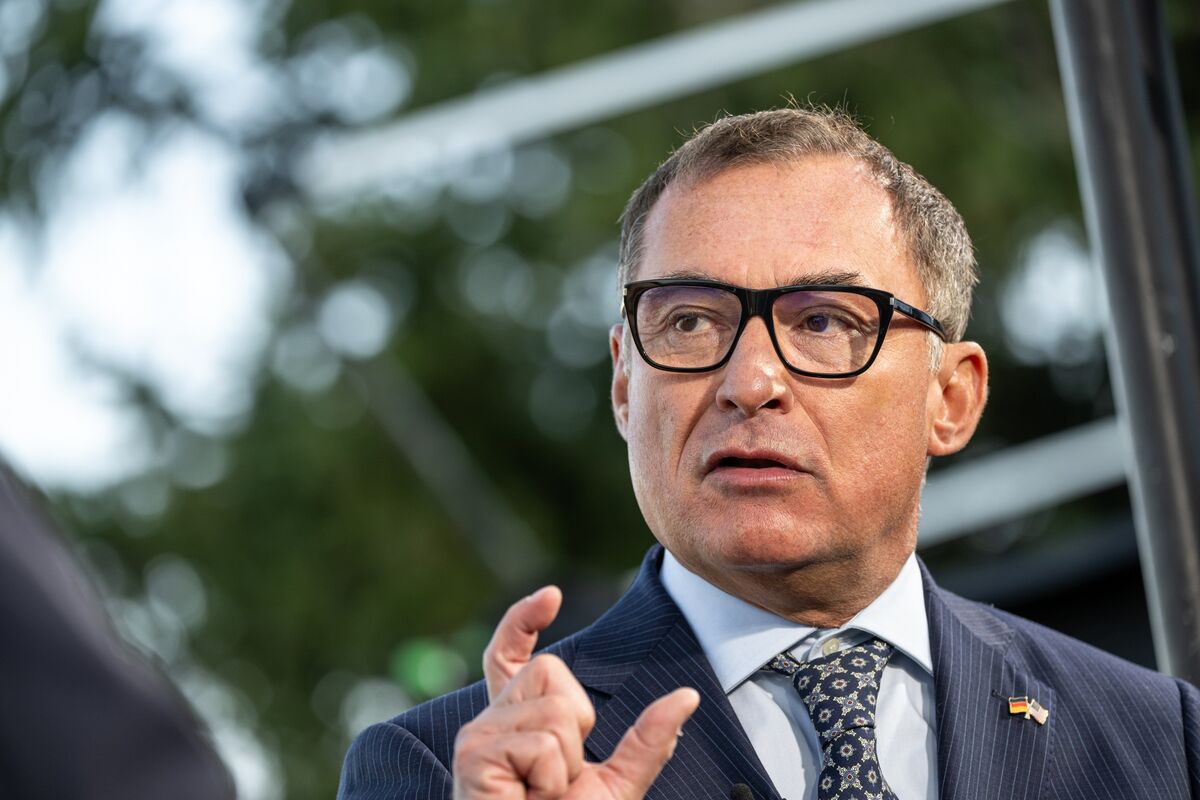
ECB Governing Council member Joachim Nagel has dismissed concerns that a strengthening Euro will negatively impact the Eurozone's export sector. This stance suggests the European Central Bank remains primarily focused on combating inflation, potentially signaling a continued hawkish policy trajectory and supporting further appreciation of the single currency, despite potential implications for trade competitiveness.
European Central Bank (ECB) Governing Council member Joachim Nagel's commentary, which plays down the negative impact of a strong Euro on the region's export sector, provides a significant insight into the central bank's policy priorities. This stance indicates that the ECB's primary focus remains борьбата with inflation, and it is willing to accept currency appreciation as a byproduct of its hawkish monetary policy. By dismissing concerns over trade competitiveness, Nagel signals a reduced likelihood of a policy pivot driven by exporter anxieties. This reinforces a hawkish outlook, suggesting the ECB will continue its restrictive stance, which fundamentally supports the single currency's recent strength and potential for further appreciation.
AI-powered research, real-time alerts, and portfolio analytics for institutional investors.
Request DemoOverall Sentiment
mildly positive
Sentiment Score
0.20
