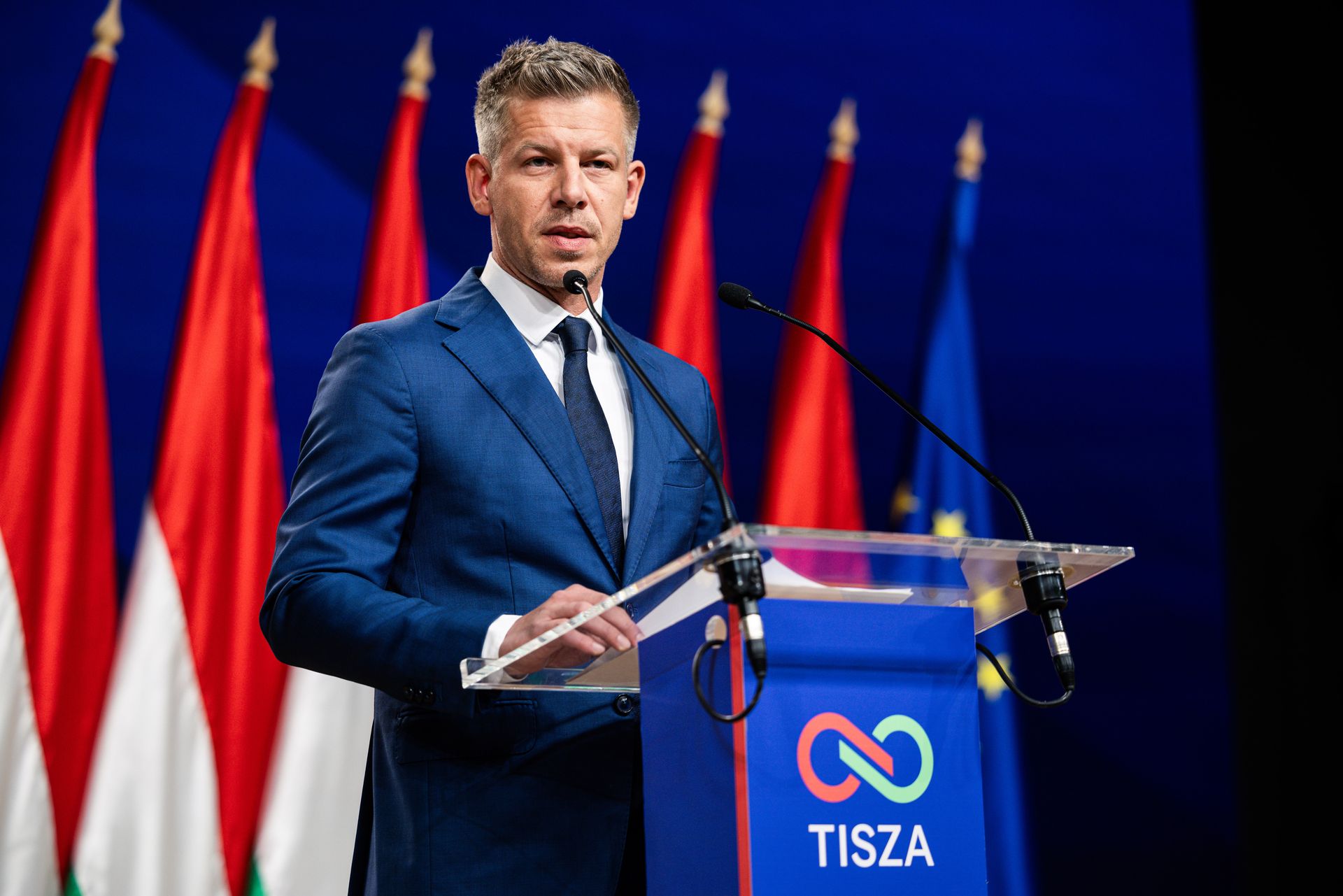
Hungary's election winner Peter Magyar rejected calls for Ukraine to cede territory, backed U.S.-style security guarantees for Kyiv, and said Hungary should not repeat the mistakes of the 1994 Budapest Memorandum. He also reiterated plans to diversify away from Russian energy by 2035, though he emphasized maintaining cheap oil and gas for Hungarian consumers in the near term. The comments come as Orban continues to block a 90-billion-euro EU loan for Ukraine and the 20th package of Russia sanctions.
The near-term market read-through is less about a regime shift in Budapest than about a meaningful reduction in policy drag on EU-Ukraine financing and sanctions enforcement. If Hungary stops being the blocker, the marginal probability of a cleaner sanctions package and loan disbursement rises, which is supportive for Ukraine sovereign risk and any assets priced off a longer-war discount. The first-order beneficiary is sentiment, but the second-order winner is Europe’s political coordination premium: reducing one veto point lowers the required risk premium across frontier Eastern European credit and any issuer exposed to war-duration uncertainty. Energy is the most interesting cross-asset angle. A Hungarian pivot away from Russian molecules is a multi-year story, but the immediate market effect is mostly on negotiation optics, not physical balances; the real implication is that the EU’s 2027 import phaseout becomes more credible if a previously obstructionist member state is no longer actively defending status quo flows. That is bearish for Russian pipeline optionality and mildly supportive for non-Russian LNG infrastructure, transit, and storage names, but the timeline is slow enough that the trade should be expressed with time value rather than outright beta. The contrarian miss is that Magyar’s rhetoric is pro-Ukraine, but his domestic constraints remain pro-cheap energy and pro-minority leverage. That means he may be more cooperative on sanctions language than on hard energy substitution, so the market could overprice an immediate break from Orban-era dependence. The tradeable catalyst window is 1-3 months: cabinet formation, first EU Council meeting, and whether his government actually stops Hungary from acting as a veto wedge. If those signals wobble, this becomes a headline fade rather than a structural change.
AI-powered research, real-time alerts, and portfolio analytics for institutional investors.
Overall Sentiment
neutral
Sentiment Score
0.10
Ticker Sentiment
