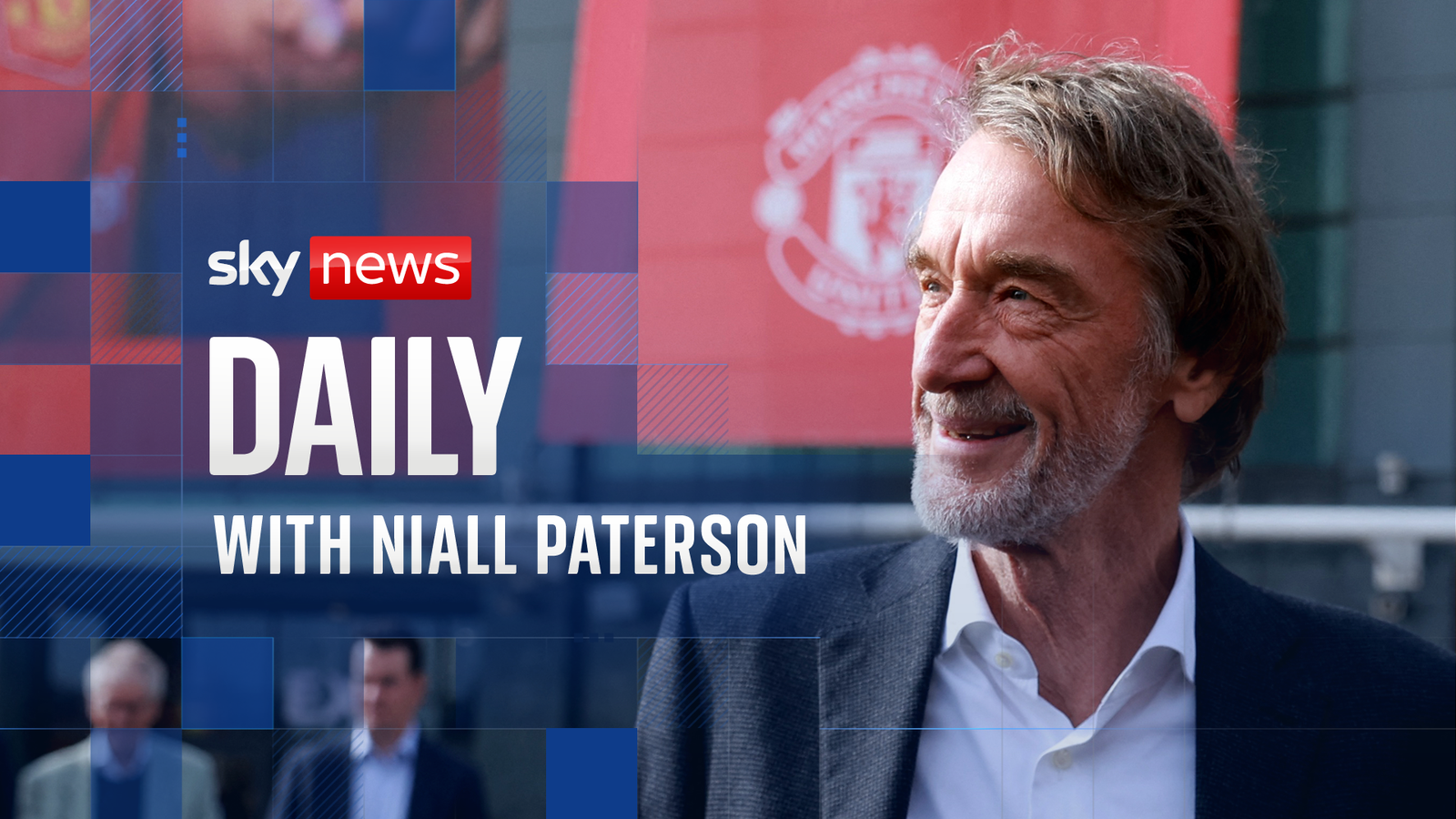
Sir Jim Ratcliffe, the Monaco-based billionaire and part-owner of Manchester United, apologised for his "choice of language" after telling Sky News the UK is being "colonised" by immigrants; his remarks drew criticism from the prime minister and many Manchester United supporters. The interview — originally meant to focus on chemicals — has turned into a reputational issue that could pressure the club's brand and stakeholder relations, though direct financial fallout for markets or corporate fundamentals appears limited at this stage.
Market structure: The immediate winners are short-term volatility players, media platforms capturing elevated traffic, and rival clubs/sponsors positioned to pick up PR-friendly partnerships. Direct losers are MANU shareholders and commercial partners facing reputational risk; expect a near-term share-price shock in the order of -3% to -8% within 1–7 trading days and a 15–40% relative rise in MANU option implied volatility. Competitive dynamics: commercial pricing power could be impaired temporarily — sponsors may press for contractual protections or discounts, creating a 1–3% revenue risk over the next 2–4 quarters if any partner withdraws. Supply/demand: ticketing and merchandise demand is unlikely to structurally collapse but could create a 1–5% hit to quarter-on-quarter revenue if fan boycotts intensify; liquidity in MANU options will widen, increasing transaction costs for retail-sized trades.
Risk assessment: Tail risks include a major sponsor exit or covenant-triggering clauses that remove >5% of annual revenue, or governance escalation where Ratcliffe’s stake attracts regulatory/political scrutiny — low probability but high impact (downside >15%). Time horizons separate into immediate (days: IV spike, social-media flows), short-term (weeks: sponsor statements, activist/board responses), and long-term (quarters: revenue re-contracting, brand damage recovery 6–12+ months). Hidden dependencies: season ticket renewal windows, upcoming fixture results, and broadcast negotiations can amplify or mute financial impact; activist investors could press for governance changes if share underperformance exceeds peers by >10% in 3 months. Catalysts: sponsor statements, board minutes, and Q1 revenue updates (next 30–90 days) will accelerate pricing moves.
Trade implications: Direct play — establish a tactical bearish option position on MANU (ticker MANU) sized to 2–3% portfolio risk: buy a 3-month put spread (buy 5% OTM, sell 15% OTM) to cap cost while keeping meaningful downside exposure; target entry within 5 trading days. If long the stock, hedge 50% of delta with 1-month ATM puts; if not long, avoid initiating new long exposure to MANU for 30 days or until sponsor signals clear. For volatility traders, consider a 1-month strangle if IV normalizes >30% above historical average; expect IV reversion within 2–6 weeks absent sponsor exits.
Contrarian angles: The market may overprice reputational headlines — historical parallels (owner controversies at major sports clubs) show mean reversion within 1–3 months if apologies and governance responses are prompt; downside beyond 10% likely priced only if a sponsor exits. The consensus undervalues the speed of brand-recovery if management enacts visible governance measures within 14 days; conversely, overestimating boycott persistence is risky. Set clear triggers: close bearish positions if MANU recovers to within 2% of pre-news levels for five consecutive sessions or if no sponsor action materializes within 30 days.
AI-powered research, real-time alerts, and portfolio analytics for institutional investors.
Request DemoOverall Sentiment
mildly negative
Sentiment Score
-0.25
Ticker Sentiment
