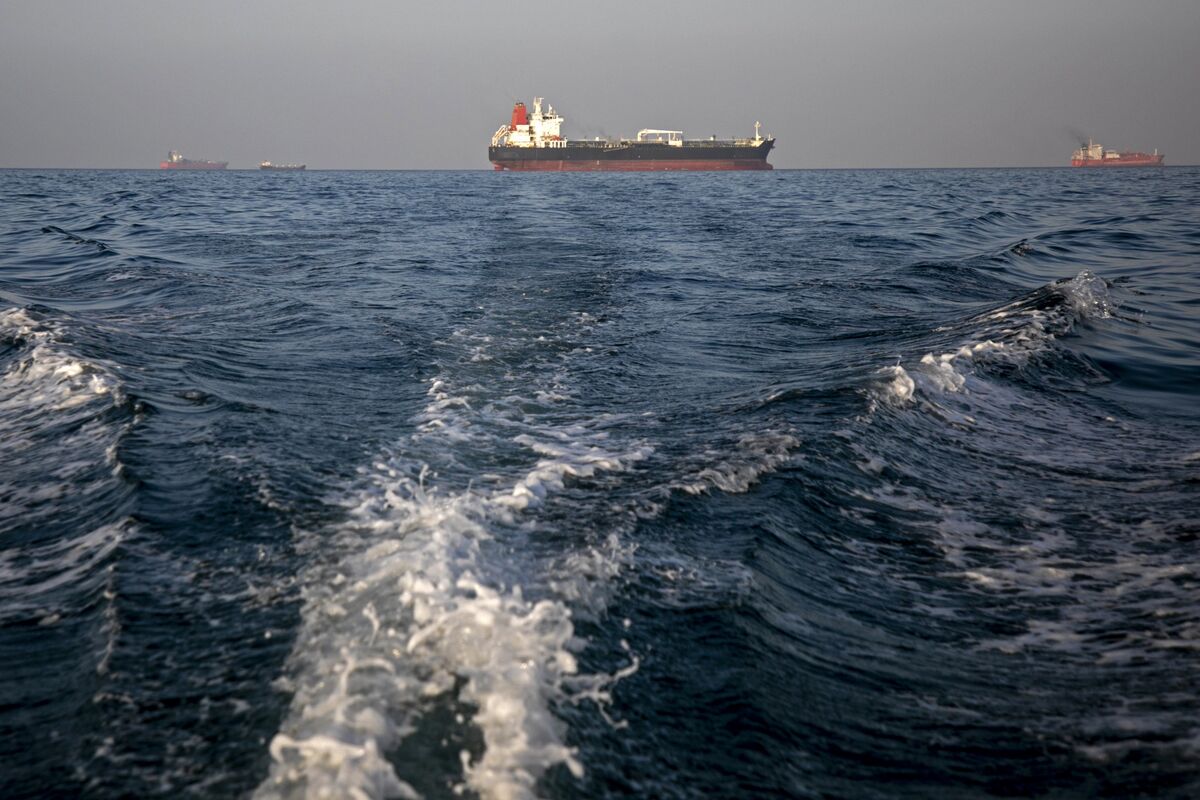
An interim US-Iran agreement is expected to reopen the Strait of Hormuz and restore oil and gas flows, but analysts say normalization could take months as shipowners, insurers, and refiners rebuild confidence. The deal should reduce supply risk and upward pressure on prices, yet many buyers have already shifted to alternative routes and supplies, limiting a quick return to pre-disruption trade.
The market is pricing a near-term normalization trade, but the more important signal is that the bottleneck is now trust, not physics. Once freight, insurance, and buyer behavior have re-optimized around a disrupted corridor, the path back is sticky: routing decisions, charter contracts, and inventory buffers tend to persist for 1-3 quarters even after the headline risk fades. That means the biggest second-order loser is not just crude-linked volatility, but anyone exposed to a temporary repricing of shipping risk premium that may not collapse quickly.
Energy importers with flexible logistics should outperform fixed-route peers because they’ve already secured optionality; the losers are the incumbents that relied on the old lane and now face a slower reconnection cycle. A less obvious beneficiary is non-Gulf supply: Atlantic Basin barrels, LNG from alternative basins, and tanker owners with compliant vessels and regional routing flexibility can keep share gains longer than the news cycle implies. Refiners with diverse feedstock access also gain bargaining power as counterparties demand discounting to win back lost volumes.
The tail risk is not a simple reversal of the agreement, but a renewed incident that re-prices insurance and spot freight instantly while trade flows recover only gradually. That asymmetry argues for trading vol rather than outright direction: downside in crude is capped if reopening proceeds, but upside in shipping and freight risk can reappear on any credibility shock. The consensus is likely underestimating how much volume has been structurally rerouted; even absent renewed conflict, some of that trade will not return because the alternatives now have a proof point.
The immediate move in oil may be overdone relative to the medium-term normalization path, but the shipping/insurance complex still looks underappreciated on the downside. Investors should avoid extrapolating a one-day headline into a full return to prior flows; the more durable adjustment is a higher-cost, more fragmented supply chain with lower efficiency and more optionality embedded in contracts.
AI-powered research, real-time alerts, and portfolio analytics for institutional investors.
Request DemoOverall Sentiment
mildly negative
Sentiment Score
-0.15
