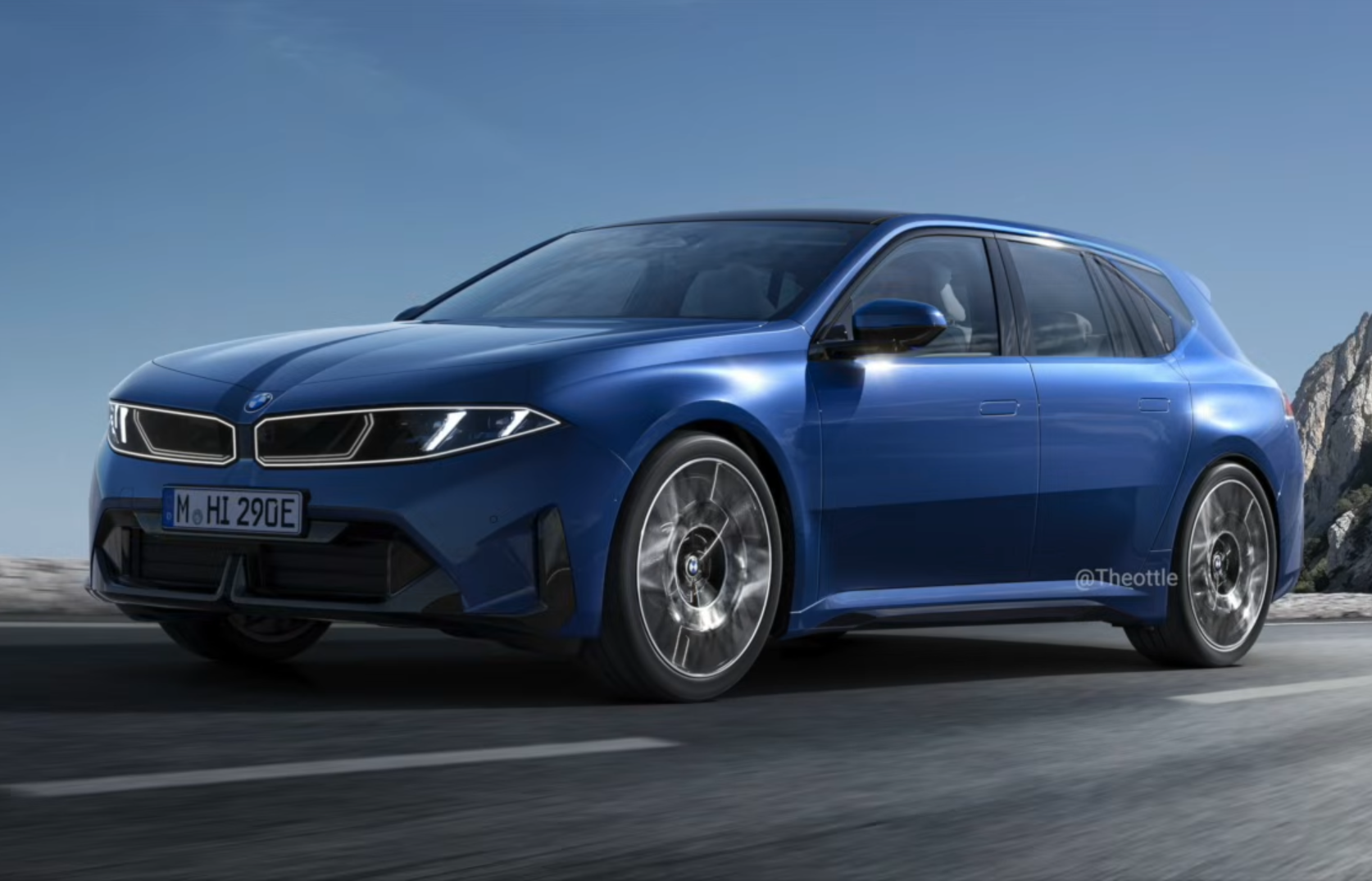
BMW confirmed a Touring (station wagon) variant for the electric i3 Neue Klasse line, with CEO Oliver Zipse saying additional body styles are planned; a shadow profile was shown at the i3 Sedan launch. Digital renders (by Theottle) illustrate a possible design using the iX3 rear roof grafted onto the i3 sedan. BMW is also winding down the current i4 as it prepares Neue Klasse variants and R&D chief Joachim Post reiterated the strategic importance of the 4 Series/i4 lineage. Expected impact is limited near term—product-line breadth could modestly support European demand but is unlikely to move the stock materially.
Treat the development as a platform-efficiency play rather than a single-model story: expanding body-style SKUs on a common skateboard lowers incremental R&D per variant but raises manufacturing complexity and fixed tooling outlays. Expect unit-level D&A to shift — near-term SG&A and capex will tick up during homologation and rear-body tooling (next 6–18 months), but every additional variant can shave 2–4% off blended unit breakeven at scale once volumes clear ~100–150k units per platform generation.
Supply-chain winners will be modularization enablers: suppliers providing standardized rear modules, multi-purpose wiring harnesses, and scalable rear-light assemblies capture disproportionate margin upside because they sell higher-volume repeatable components to multiple body styles. Conversely, bespoke low-volume body specialists and low-mix assembly plants face margin pressure and potential consolidation; expect order-book rebalancing and multi-year renegotiations of piece-rates and lead times.
Second-order demand effects matter: a broader model mix improves lease RV stability in markets where estate/wagon residuals outperform small sedans, lowering OEM funding costs and enabling tighter transaction pricing (potentially +100–200bps retail volume elasticity). Key execution risks are scheduling slips, unanticipated NVH/aero rework that delays ramp, and segment cannibalization — any of which can compress near-term EBIT margins by 30–80bps and flip expected market-share gains into flat returns over 12–24 months.
AI-powered research, real-time alerts, and portfolio analytics for institutional investors.
Overall Sentiment
neutral
Sentiment Score
0.08
