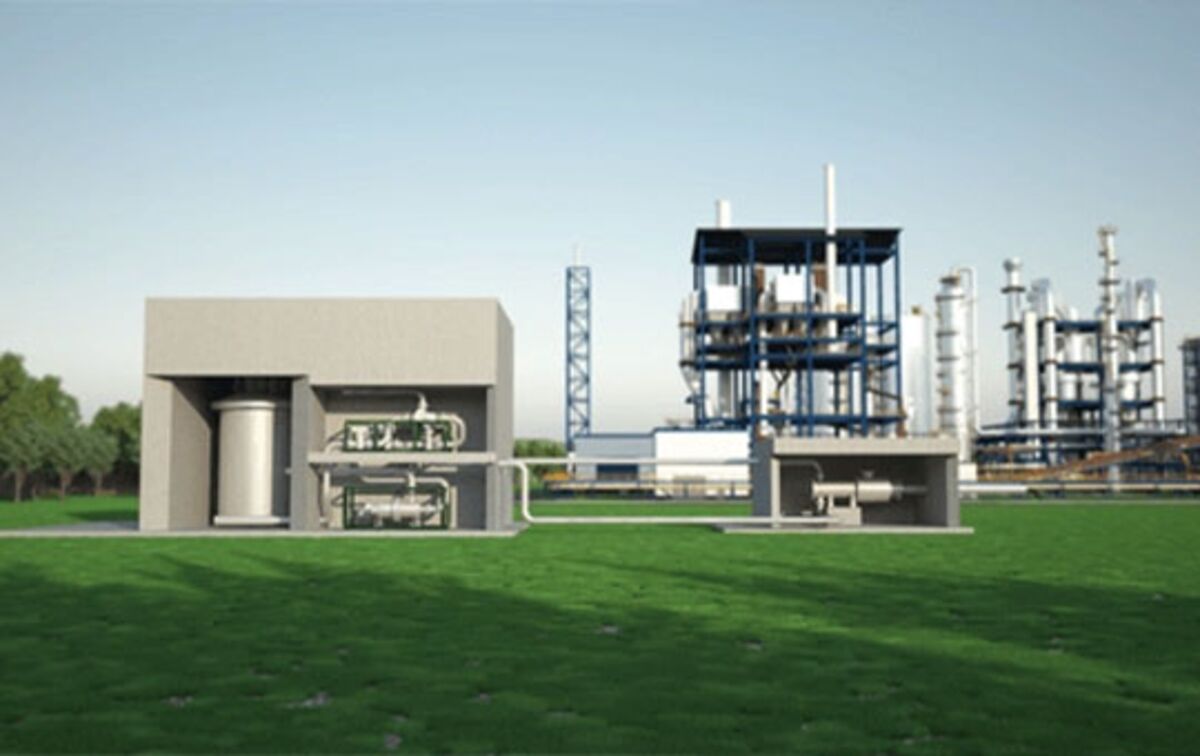
Jimmy Energy raised €80 million ($92M) to finish the design of its small modular reactor and aims to start construction by 2029. The French government is providing half the funding, Credit Mutuel Alliance Federale is leading private financing, and existing shareholders including Otium Capital and Eren Groupe also participated.
This financing round is a leading indicator that government-backed SMR pilots will move from concept to procurement timelines in the next 3–7 years, creating discrete waves of demand for factory-built modules, heavy forgings and HALEU (high-assay low-enriched uranium) supply. Expect a two-phase supply shock: near-term (12–24 months) contract issuance for design, licensing and prefabrication capacity; medium-term (36–60 months) order flow for long-lead items (reactor pressure vessels, steam generators) that have single-digit global suppliers and multi-year lead times.
Competitive dynamics favor vertically integrated component manufacturers and enrichment players with existing licensing and fabrication footprints — they can convert backlog into margin while new entrants scramble for certification. Conversely, utilities and EPCs that rely on on-site construction economics face margin compression if modular factory-builds scale, shifting value from field construction to standardized manufacturing.
Key risks are regulatory and financing cliffs: a single major licensing delay or a macro tightening that raises sovereign-backed cost of capital could push projects out by 24+ months and cascade into cancellations of early-stage supplier contracts. Monitor three binary catalysts over 6–18 months—licensing approvals, fabrication capacity commitments from Tier-1 suppliers, and HALEU supply agreements—which will re-rate the entire SMR supply chain if they materialize in sequence.
AI-powered research, real-time alerts, and portfolio analytics for institutional investors.
Overall Sentiment
moderately positive
Sentiment Score
0.35
