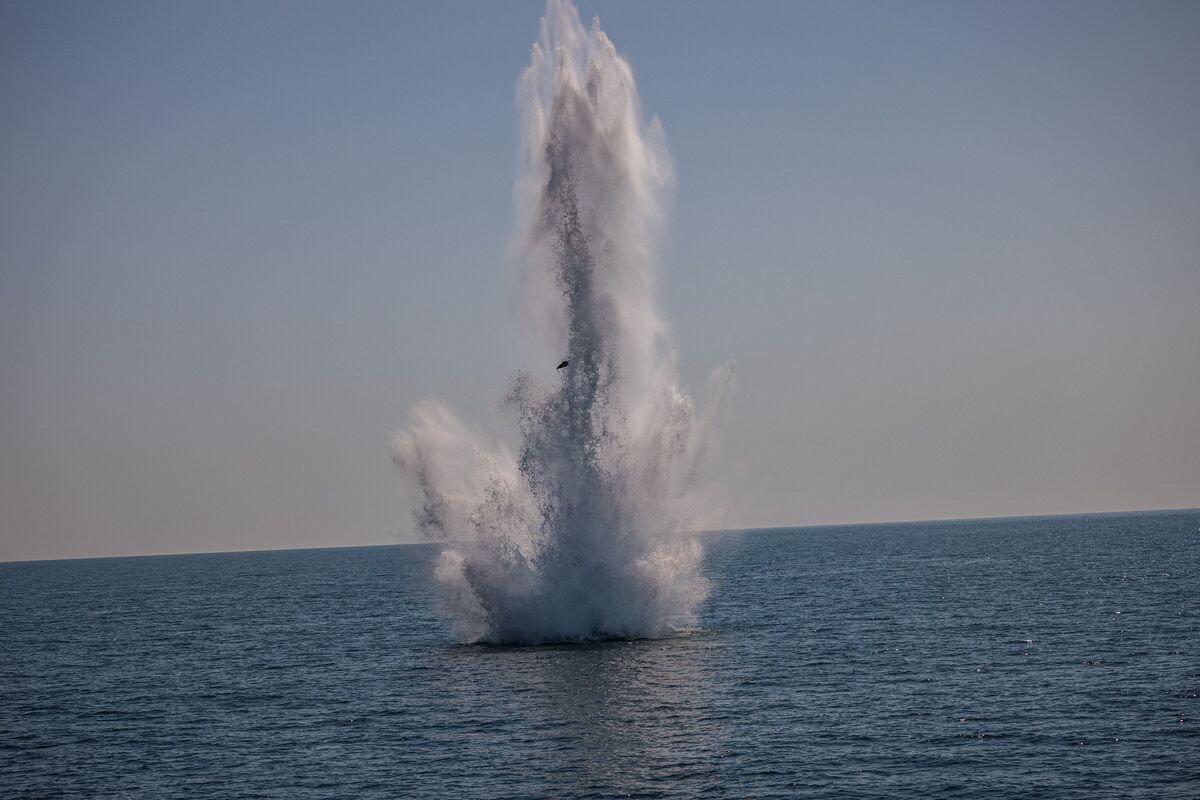
Reopening the Strait of Hormuz would remain difficult even after any US-Iran deal, with a coalition of more than 30 countries needed to clear mines, provide credible escorts, and restore shipping insurance. Iran is estimated to have up to 6,000 deployable mines, and even a modest deployment could disrupt traffic in the narrow waterway for weeks or months. The article implies a prolonged risk to global energy and shipping flows rather than an immediate normalization.
The market is likely underestimating the difference between a ceasefire and a true normalization of Gulf transit. Even if kinetic risk fades, the bottleneck is operational: mine clearance, convoy design, and above all insurance capacity will keep effective shipping capacity impaired for weeks to months, which means the price shock can persist long after headlines improve. That creates a classic second-order squeeze in freight-sensitive industries: higher voyage times, higher war-risk premiums, and inventory hoarding will amplify the initial disruption.
The most immediate winners are not the obvious oil producers alone, but any asset exposed to time charter rates and alternative routing. LNG, refined-product, and dry bulk carriers with low leverage and spot exposure should see outsized earnings revisions if the corridor remains constrained, while airlines, chemical producers, and Asian import-dependent industrials face margin compression from higher feedstock and freight costs. A less appreciated effect is that prolonged uncertainty can pull forward strategic inventory builds in Europe and Asia, tightening prompt markets even if physical flows only fall modestly.
The key risk is timing: if mines are cleared faster than expected and insurers return quickly, the trade unwinds hard because positioning will likely be built for a longer dislocation than the market ultimately experiences. But the base case is still asymmetric—every week of delay compounds shipping rerouting and raises the probability of a broader commodities inflation impulse. The contrarian view is that consensus may be too focused on crude prices and not enough on logistics bottlenecks; the real P&L may show up first in freight, not oil.
If the situation de-escalates cleanly, the most vulnerable names are the ones trading on peak-disruption expectations; if it drags, capital allocation should shift toward balance-sheet-strong maritime and defense-logistics beneficiaries. The highest-risk segment is insurers and reinsurers with marine exposure, because their pricing power can disappear once the first claims hit and underwriting models reprice on new hazard assumptions.
AI-powered research, real-time alerts, and portfolio analytics for institutional investors.
Request DemoOverall Sentiment
moderately negative
Sentiment Score
-0.35
