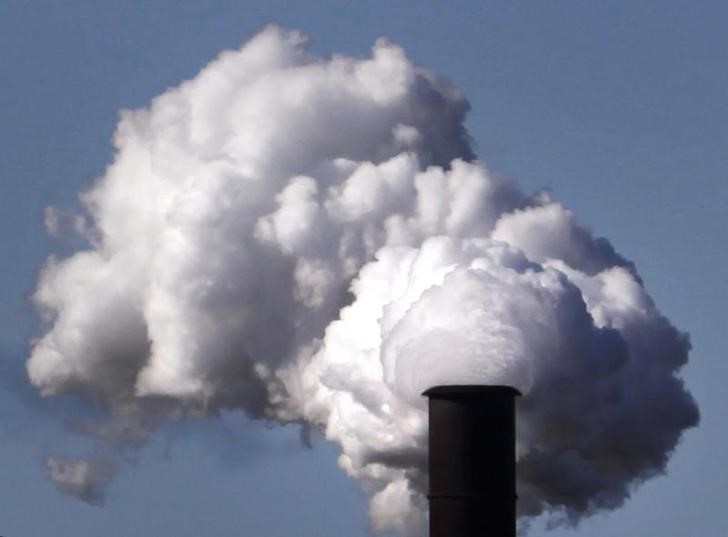
A hazardous chemical tank at GKN Aerospace’s Garden Grove facility saw internal temperatures rise to 90°F, prompting expanded evacuations across Orange County and a California state of emergency. Officials warned of rupture, toxic spill, or explosion risk, and emergency crews shifted to offensive containment measures including cooling protocols and containment dikes. The incident is operationally disruptive for GKN Aerospace and adjacent industrial assets, but broader market impact appears limited.
This is not a DOW earnings event; it is a localized industrial shutdown risk with only a modest direct read-through to the ticker. The market should care more about the second-order effect: any prolonged outage that disrupts specialty materials, aerospace components, or adjacent industrial tenants can tighten already-fragile aerospace supply chains and lift pricing power for substitute suppliers. The immediate P&L impact for DOW is likely immaterial, but the headline can still pressure sentiment because it reinforces the broader narrative of industrial safety, remediation costs, and litigation overhang.
The real risk is duration. If the incident stays contained within days, it is mostly a sentiment hit; if it drags into weeks, expect a bigger impact through shutdown-related revenue loss for the facility ecosystem, insurance claims, and potential legal exposure that may take quarters to crystallize. That creates a mild asymmetry: downside is front-loaded on headline risk, while the direct financial consequence for the parent chain may show up later through reserve increases rather than immediate earnings revision.
The contrarian view is that the selloff potential in DOW may be overdone if traders are extrapolating a highly local event into a company-wide operational problem. Unless there is evidence of broader contamination or repeated safety issues, this reads more like a one-off remediation event than a structural thesis change. However, the better trade may be in adjacent beneficiaries: industrial safety, remediation, and environmental services names could see incremental demand if regulators escalate inspections or if the site enters a longer cleanup cycle.
AI-powered research, real-time alerts, and portfolio analytics for institutional investors.
Overall Sentiment
moderately negative
Sentiment Score
-0.35
Ticker Sentiment
