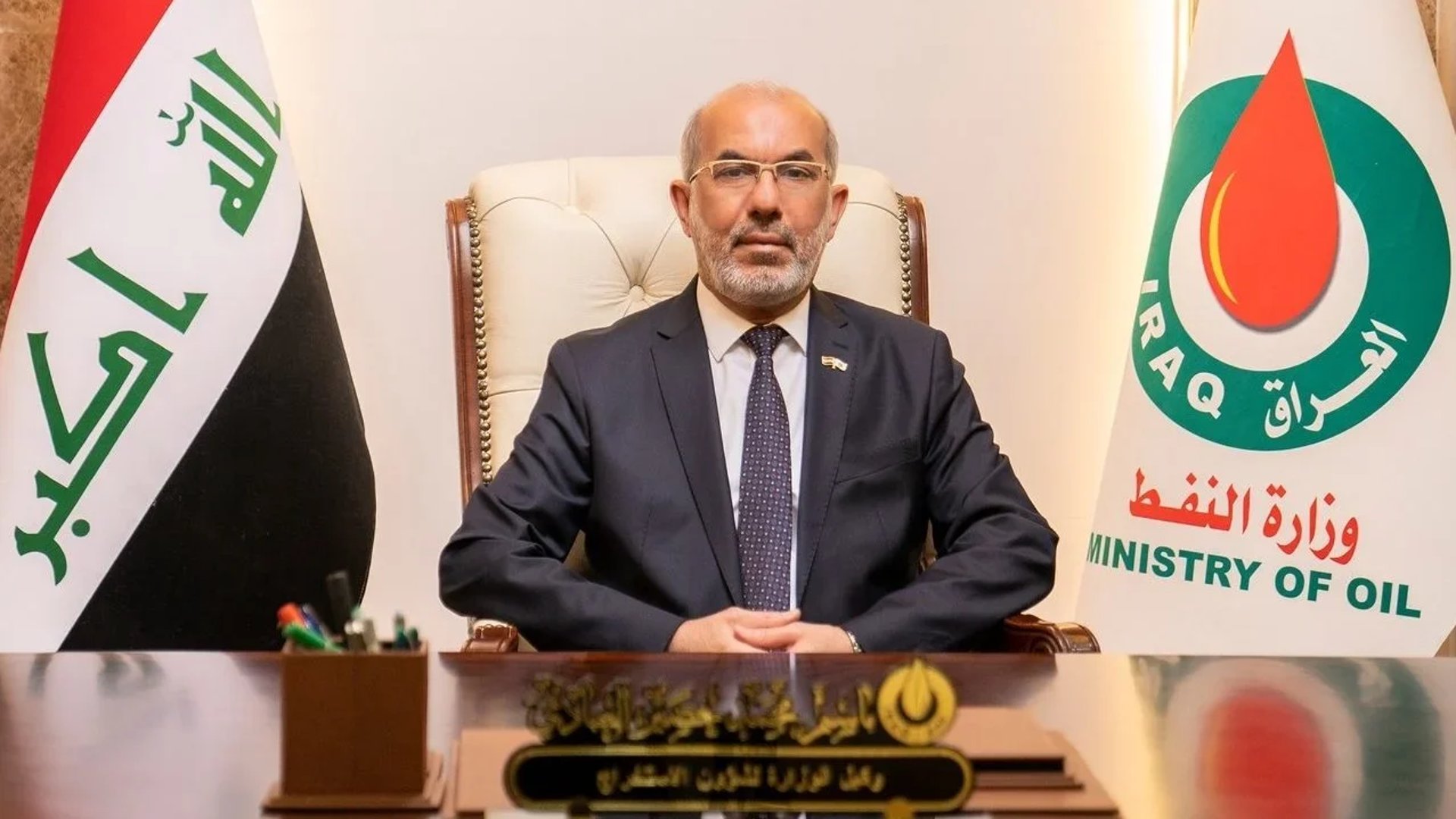
Iraq aims to reach gas self-sufficiency by 2030, but the halt in southern oil exports is a major constraint, with production having fallen from about 4.3 million bpd to as low as 800,000-1.3 million bpd. The country also remains dependent on imported Iranian gas, which supports more than 30% of electricity generation. The situation is driven by regional war and Strait of Hormuz disruptions, making this a meaningful supply-side risk for energy markets.
The immediate market read is not just “more geopolitical risk,” but a forced re-pricing of Iraq’s reliability as a swing supplier. When export bottlenecks choke upstream cash flow, the downstream effect is underinvestment across the entire field network, so the supply shock can persist well beyond any ceasefire headline. That makes this less of a one-off outage and more of a balance-sheet event for Iraqi production, with the risk that maintenance, water handling, and associated-gas capture all degrade together.
The second-order winner is the LNG complex, especially suppliers that can displace Iranian pipeline gas into regional power markets over the next 6-24 months. If Iraq cannot stabilize domestic gas, it will remain structurally import-dependent, which keeps Asian and Mediterranean LNG demand elastic on every outage. That also supports midstream and floating storage/logistics names that benefit from regional route disruption and inventory buffering rather than outright oil exposure.
The contrarian angle is that the market may be overfocused on the short-term crude impulse and underpricing the longer-duration gas/ बिजली bottleneck. A rapid normalization of the shipping corridor would relieve oil production, but it does not solve the gas self-sufficiency gap, which is a multi-year infrastructure problem. The key catalyst sequence is: ceasefire improves oil flows first, then capital reallocation into domestic gas lags by quarters to years, leaving a stubborn support bid under imported gas and power-pricing risk.
On risk, any credible diplomatic thaw is a near-term downside catalyst for crude within days to weeks, but not for the structural gas thesis. The more durable upside tail is escalation or a renewed export interruption that forces import substitution and emergency procurement. That creates a convex setup where headline risk is highest now, but the medium-term pricing floor in regional gas remains elevated unless Iraqi project execution improves materially.
AI-powered research, real-time alerts, and portfolio analytics for institutional investors.
Request DemoOverall Sentiment
moderately negative
Sentiment Score
-0.35
