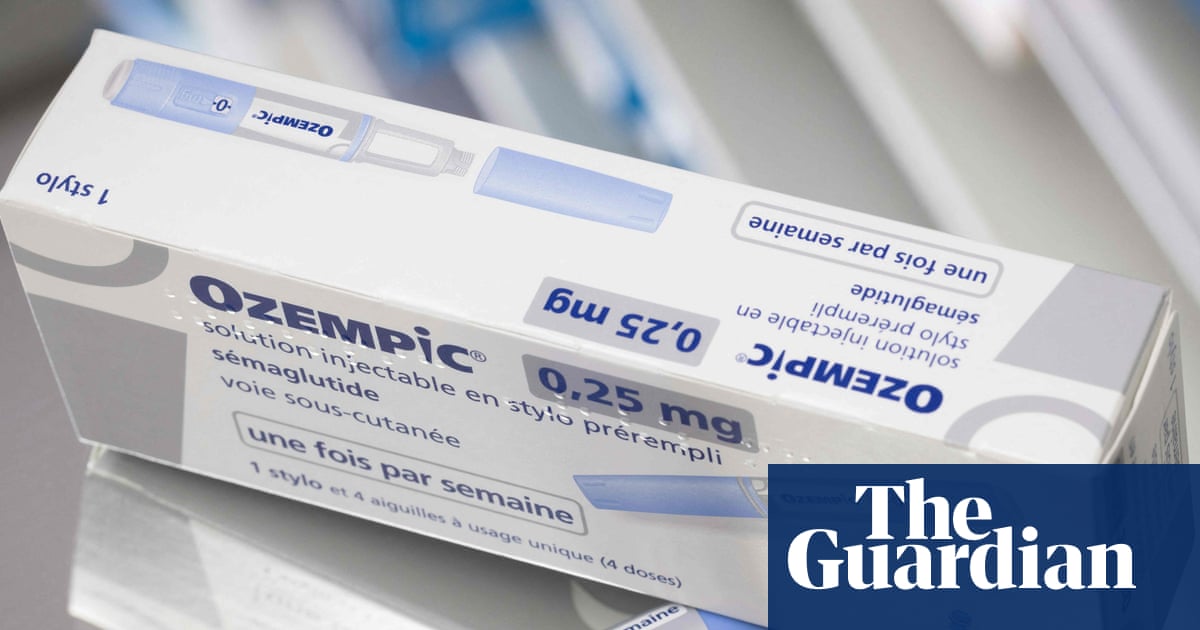
Novo Nordisk reported that oral semaglutide failed to slow Alzheimer’s disease progression in two large trials of nearly 4,000 patients, though some Alzheimer’s-related biomarkers improved. Shares dropped more than 10% intraday (closing 5.8% down), adding to pressure from lagging Wegovy/Ozempic sales, a fourth downward sales forecast this year, and an announced 11% cut to its 78,400 global workforce, while rival Eli Lilly advances with tirzepatide and a push for an obesity pill.
Market structure: The competitive baton is shifting toward rivals with next-generation obesity/GLP-1 assets and payers who can extract concessions; expect a 5–15% annualized share reallocation within 12–24 months and margin pressure of ~200–500 bps for the incumbent at risk. Demand growth for the class will likely decelerate from prior double-digit CAGRs to mid-single-digits in the near term, producing 2–4 weeks of elevated channel inventory and higher promotional activity. Cross-asset: anticipate a 30–60% jump in 30-day implied volatility for the incumbent equity, IG pharma credit spreads widening ~10–25 bps, and modest FX pressure on the issuer’s home currency (0.5–1%) if flows persist.
Risk assessment: Tail scenarios include a payer-driven net-price cut or class-level safety/regulatory action that could shave 10–25% off near-term revenue; litigation or forced licensing could generate $1–3bn cash outflows. Immediate (days) risks are liquidity and IV spikes; short-term (weeks–months) risks are guidance resets and analyst downgrades (consensus EPS downside 5–15%); long-term (3–5 years) risk is peak-sales erosion of 20–40% from competitive disintermediation. Key catalysts: next quarterly earnings (45–90 days), competitor sales cadence, and major payer negotiations.
Trade implications: Favor relative-value trades that hedge class exposure. Short the incumbent via defined-risk put spreads (3 months) sized 1–2% of portfolio; pair this with a 2–3% long in the primary rival (LLY) to capture share rotation. If credit spreads widen >30 bps, pivot to buy senior bonds (3–5y) for yield pick-up 150–250 bps over Treasuries. Use covered-call overlays on long rival positions to finance downside protection; enter within 3–10 trading days and reassess post-earnings.
Contrarian angles: Market may over-penalize the issuer’s enterprise value — improved biomarkers can be monetized via asset sales or partnerships, supporting a higher valuation floor (10–25%). If IG spreads exceed a 30-bp move, buying bonds for a 12–24 month hold presents asymmetric risk/reward versus equity short. Historical parallels show core franchises recovering after indication setbacks if cash flow remains intact; watch short interest and IV for squeeze risk in the near term.
AI-powered research, real-time alerts, and portfolio analytics for institutional investors.
Request DemoOverall Sentiment
strongly negative
Sentiment Score
-0.60
Ticker Sentiment
