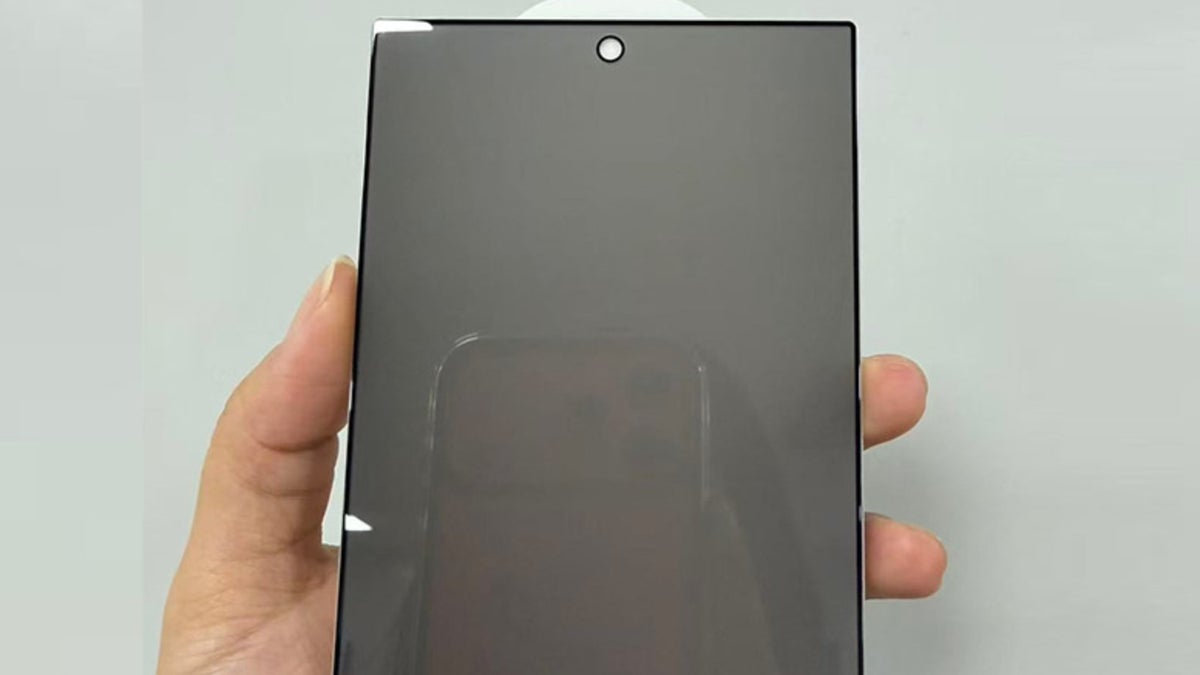
Samsung's Galaxy Z Fold 8 Wide is expected to launch in July, with leaked screen protector images suggesting a wider, shorter external display, a punch-hole camera, and sharper corners than Huawei's Pura X Max. The article positions the device as Samsung's answer to Apple's upcoming foldable iPhone Ultra, but provides no pricing, shipment, or financial data. This is a product-design update that may influence foldable-phone positioning, but near-term market impact should be limited.
The important market signal here is not the industrial design itself but the emergence of a second foldable “subcategory” that could expand the addressable market without immediately cannibalizing premium slab phones. A wider cover screen reduces the amount of software adaptation friction that has historically constrained foldables, so the real upside case is higher daily utilization, which matters more for retention than launch-day curiosity. If Samsung gets that right, the mix shift is likely to favor accessories, higher storage tiers, and more frequent upgrade behavior rather than unit growth alone.
For AAPL, the risk is less near-term share loss than narrative compression: Samsung and Huawei are pre-positioning the category before Apple’s foldable arrives, which lowers Apple’s ability to define the form factor as a must-have innovation event. That said, Apple’s risk/reward is asymmetric because the company can absorb a niche entrant without much revenue damage, but it faces a higher bar to justify a foldable price premium if consumer expectations have already been set by competitors. The bigger second-order effect is on Android premium loyalty, where Samsung can defend ecosystem stickiness by making the external display feel like a genuinely usable mini-phone instead of a compromise.
The contrarian view is that the broader display may improve ergonomics but not solve the core foldable objections: software fragmentation, crease durability, battery tradeoffs, and repair economics. If early reviews say the wider format is awkward one-handed or underwhelming in tablet mode, this could remain a design curiosity rather than the new standard. So the main catalyst window is the July launch cycle and the first 4-8 weeks of hands-on adoption data, not the leak itself.
AI-powered research, real-time alerts, and portfolio analytics for institutional investors.
Request DemoOverall Sentiment
neutral
Sentiment Score
0.15
Ticker Sentiment
