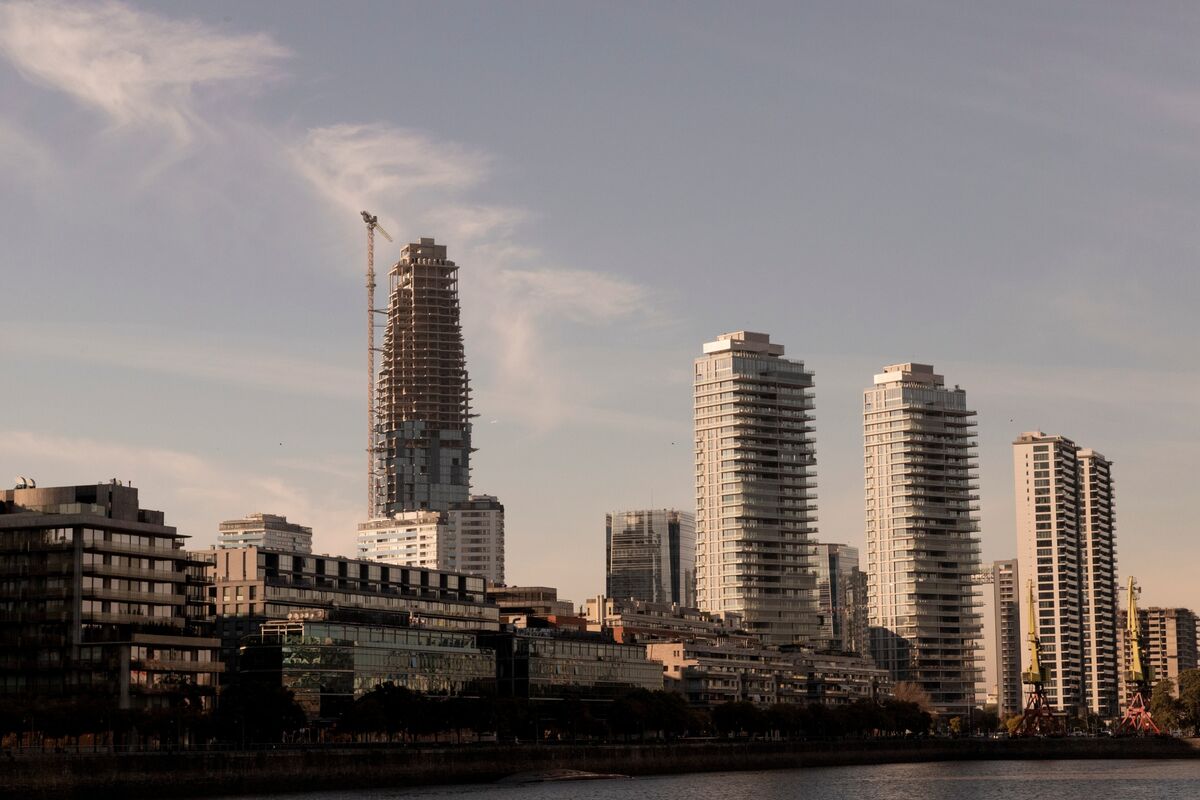
Argentina's President Javier Milei will eliminate energy subsidies for gated communities and the upscale Puerto Madero neighborhood in greater Buenos Aires, impacting 15,500 energy users. The measure, announced by spokesman Manuel Adorni, aims to reduce government spending by approximately $2.6 million annually by targeting wealthier residents who have historically benefited from subsidized energy costs.
The Argentine government, under President Javier Milei, has initiated a targeted fiscal adjustment by announcing the elimination of energy subsidies for all gated communities in the greater Buenos Aires region and the affluent Puerto Madero neighborhood. This policy change, communicated by spokesman Manuel Adorni, is anticipated to impact 15,500 energy users, predominantly from Argentina's upper class, who have historically paid significantly reduced gas and electric bills. The measure is projected to generate annual savings of approximately $2.6 million for the government. It is noteworthy that about half of the users in these areas who will lose subsidies were previously categorized as low-income, with the other half as middle-income, suggesting the new policy aims to rectify perceived misallocations in the previous subsidy framework. This action represents a concrete step in President Milei's broader agenda to curtail state expenditure and rationalize public aid.
AI-powered research, real-time alerts, and portfolio analytics for institutional investors.
Request DemoOverall Sentiment
neutral
Sentiment Score
0.10
