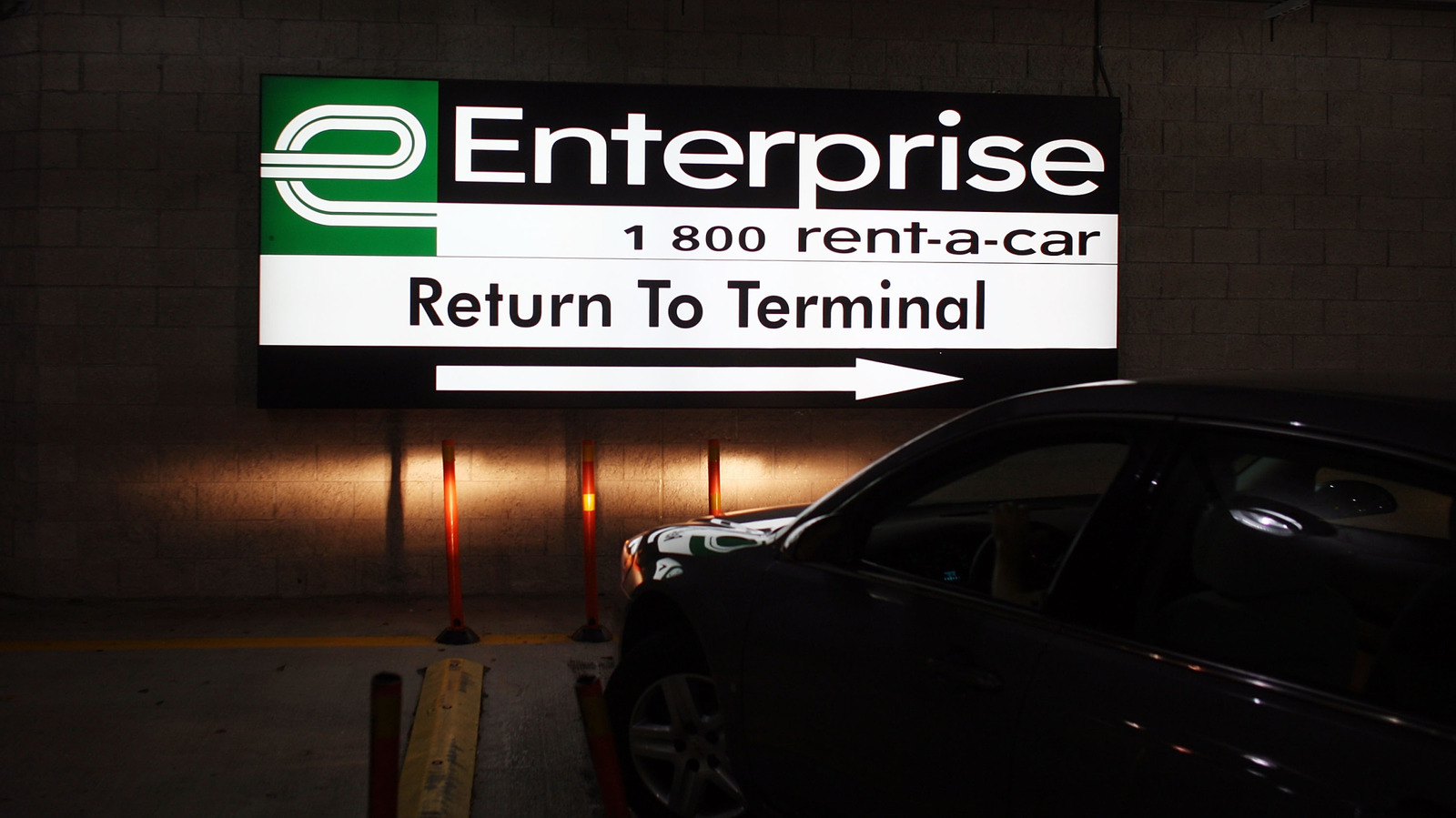
Enterprise initially billed a Canadian couple $9,500 for alleged diesel-related damage to a rental SUV, then dropped the claim after the couple produced receipts and photos showing they purchased just over 48 liters of regular gasoline. The dispute centered on a 2025 Dodge Durango rented through National Car Rental, with Enterprise saying it was unable to verify additional details regarding the fuel source. The article is a consumer/legal dispute with limited direct market impact.
This is less a demand story than a trust-and-governance stress test for the rental-car model. The immediate financial hit to Enterprise is immaterial, but the second-order risk is reputational churn: a small percentage of customers who see this kind of billing behavior can shift lifetime share toward rivals, OTA intermediaries, or peer-to-peer substitutes, especially in airport-heavy leisure segments where price elasticity is already high.
The larger takeaway for the sector is that litigation and dispute-handling costs are becoming a hidden line item. A single high-profile billing dispute can create asymmetric downside because rental economics depend on repeat usage and low-friction returns; if customers increasingly document fuel levels, receipts, and return-condition evidence, operators face higher admin cost, more write-offs, and more settlement leakage. That pressure likely accrues first to the brands most exposed to airport counters and opaque post-return fees.
For E.TO specifically, the stock impact should be limited unless this becomes a pattern or triggers a consumer-protection review. The more interesting catalyst is regulatory: if class-action or provincial consumer enforcement gains traction, the market could start assigning a small but persistent litigation discount to the enterprise value of the rental platform, even though the dollar amounts per case are small. The contrarian view is that this is not a fundamentals inflection by itself; it only matters if it reveals a broader operational control problem or drives a measurable rise in customer acquisition cost over the next 1-2 quarters.
AI-powered research, real-time alerts, and portfolio analytics for institutional investors.
Overall Sentiment
mildly negative
Sentiment Score
-0.15
Ticker Sentiment
