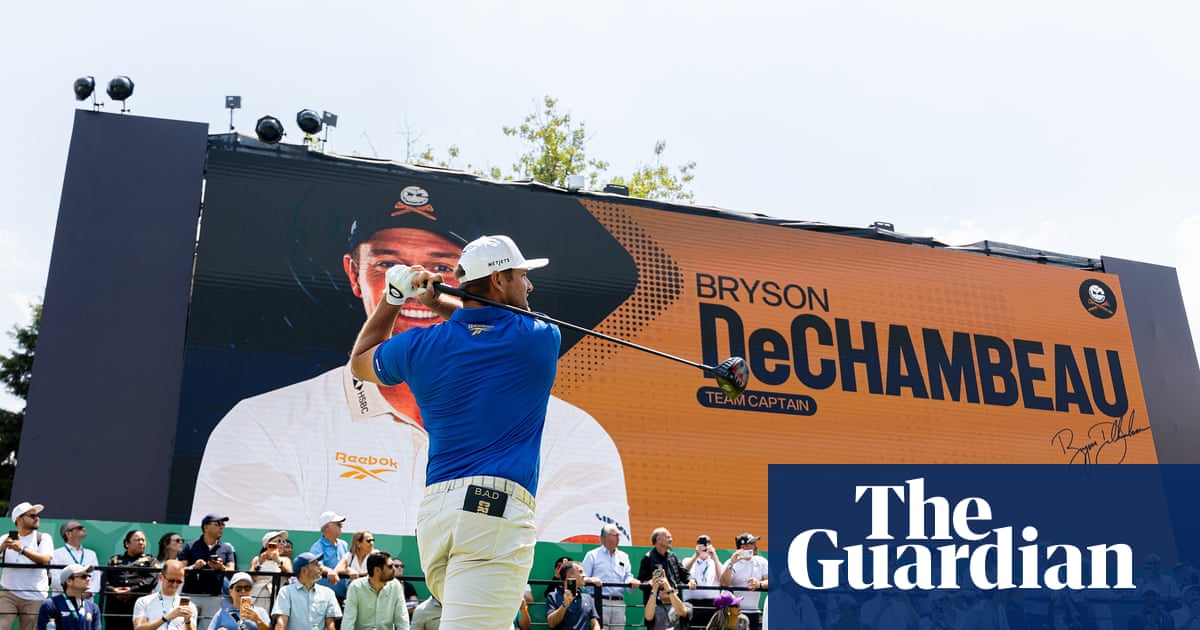
LIV Golf may not survive in its current $30m-per-event form beyond 2026, after more than $5bn of Saudi PIF funding since 2021 and with no clear path to replace that capital. The article argues that PGA Tour leverage is strengthening, while LIV players face uncertain contract, competitive and return-to-tour options if the circuit shrinks or disappears. The broader implication is a likely recalibration of golf economics, including purses, player bargaining power and future tour partnerships.
The market implication is not simply “golf reprices lower”; it is a forced unwind of a Saudi-funded capital experiment that had been subsidizing player economics and distorting the labor market across the broader golf ecosystem. If the subsidy disappears, the marginal value of star golfers falls faster than the value of the leagues that built around them, because the sport’s cash flows are still anchored in broadcasting, sponsorship and attendance rather than perpetual capital. That should compress the earnings expectations for anything tied to premium live sports inventory unless it has durable distribution or a broader fan funnel.
The clearest second-order winner is the incumbent ecosystem with the strongest rights stack and the most control over scheduling. A weakened LIV reduces bidding pressure for talent and should lower the cost of roster retention and future prize inflation, which matters for any property exposed to player comp inflation or event economics. The more interesting spillover is that private capital may still target smaller, strategically valuable pieces of the sports value chain, but with much tighter underwriting and governance scrutiny after this example of sovereign dependence.
Catalyst timing matters: the near-term risk is contract litigation and a messy transition period that could last months, but the medium-term reset is over years as players re-sort and sponsors reallocate. A reversal would require a credible replacement capital source at a scale large enough to sustain a global tour economics model, which appears low probability absent a strategic PE consortium or a partnership with an existing tour. The contrarian read is that headline “victory” for the incumbent may be overstated if the breakup simply creates a new, leaner hybrid format with lower cost structure and a more rational schedule.
For investors, the opportunity is less in golf-specific names than in adjacent media and live-events businesses that may benefit from reduced athlete compensation inflation and fewer subsidy-driven competitive bids. The risk is that any settlement or partnership keeps the disruptive premium alive longer than expected, delaying normalization. The better setup is to position for lower long-duration cash burn in sports properties while avoiding names whose valuation depends on perpetual premium live-event growth.
AI-powered research, real-time alerts, and portfolio analytics for institutional investors.
Request DemoOverall Sentiment
mildly negative
Sentiment Score
-0.35
