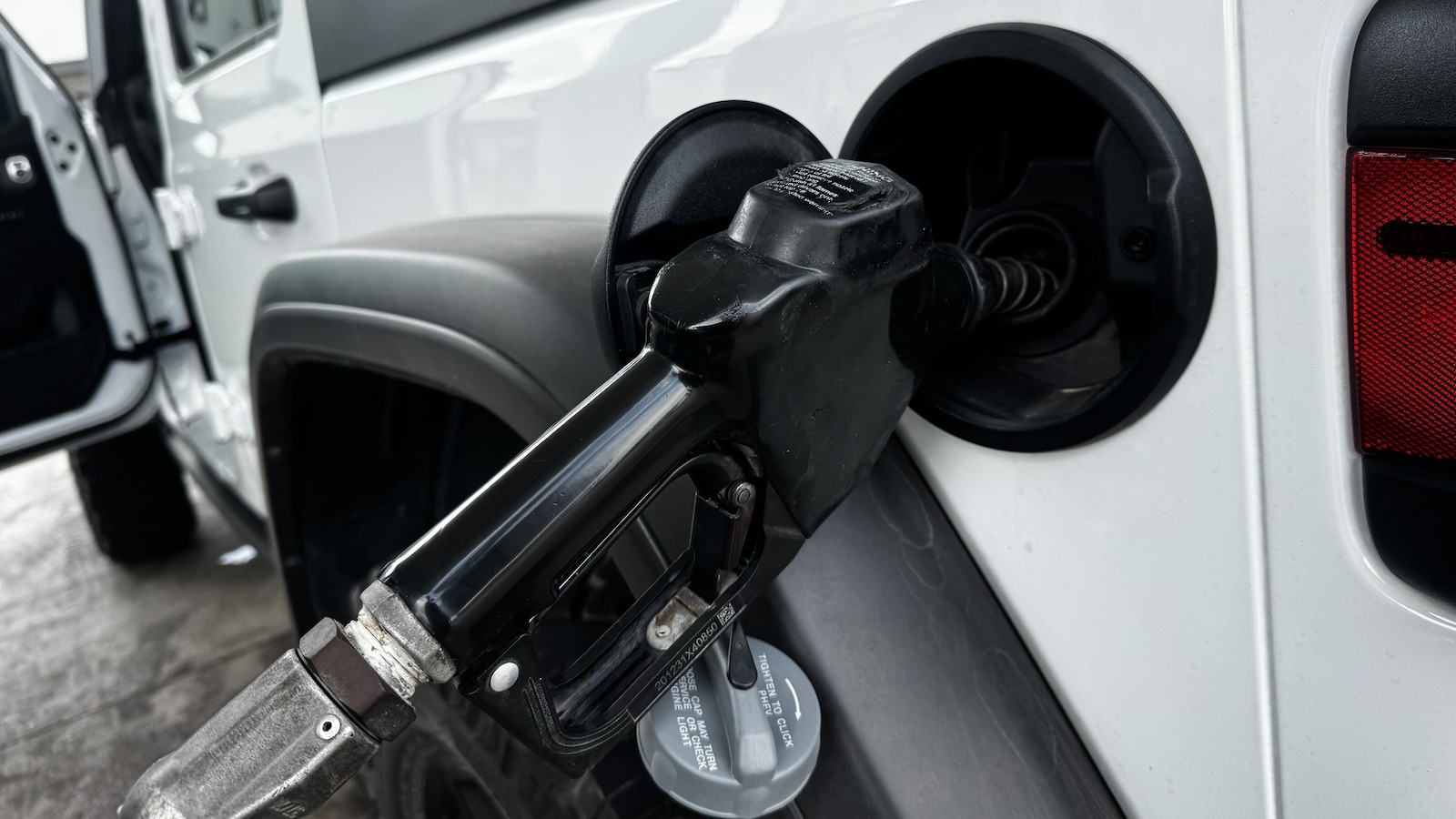
U.S. pump prices are near four‑year lows ahead of Thanksgiving, with the national average at $3.07/gal, Oklahoma at $2.50 and California at $4.60; some stations in Texas and Oklahoma report prices near $2/gal. The decline is driven by a roughly 17% drop in Brent crude since June to about $63.40/bbl, the end of refinery maintenance season bringing incremental fuel output, and seasonal demand cooling; AAA and GasBuddy forecast nearly 82 million travelers this holiday but expect overall weaker winter demand that could push national averages below $3/gal into December.
Market structure: Lower gasoline driven by a ~17% drop in Brent since June (now ~$63/bbl) and refinery maintenance ending shifts margin dynamics: consumers, travel/leisure and non-energy retailers win via higher discretionary real income; refiners (PSX, VLO, MPC) and small/mid-cap E&P producers face compressed crack spreads and weaker pricing power. Regional price dispersion (CA ~$4.60 vs OK ~$2.50) sustains localized demand shifts and cross‑state fuel arbitrage, capping national price upside. Lower oil/gasoline is disinflationary, likely easing near-term USD and sovereign yields, while commodity-linked FX (CAD, NOK) remain vulnerable to downside oil shocks.
Risk assessment: Key tail risks include OPEC+ voluntary cuts or a geopolitical supply shock that could lift Brent >$75 within 30–90 days, reversing consumer gains and boosting upstream/refiner equities; conversely an unexpected cold winter (higher distillate demand) or refinery outages could tighten markets locally. Immediate (days-weeks): holiday travel bump may temporarily lift pump prices; short-term (1–3 months): refinery output ramp and seasonality point to further declines; long-term (quarters): structural demand destruction from EV adoption and efficiency should pressure gasoline volumes. Hidden dependencies: state-level regulations/blend requirements (CARB) mean California spreads can persist independently of global crude.
Trade implications: Direct plays — establish tactical long exposure to travel and consumer discretionary benefiting from lower fuel costs (e.g., JETS, LUV) over the next 4–12 weeks; short/refinery exposure via put spreads on VLO/MPC to capture crack compression as gasoline inventory normalizes. Pair trade — long JETS (or LUV) vs short PSX/VLO for a 1–3 month trade to monetize differential exposure to lower pump prices. Options — buy 6–10 week put spreads on refiners and 6–12 week call spreads on airline ETFs to limit capital at risk while targeting asymmetric payoffs.
Contrarian angles: Consensus focuses on consumer relief; overlooked is refining capex and maintenance timing — a few unplanned refinery outages could spike regional prices and send refiners rallying; likewise, if Brent breaches <$55 within 30 days, upstream equities and CAD could materially underperform. The market may underprice refinery operational risk and seasonal distillate demand; historical parallel: 2018 refinery disruptions created short-lived spikes despite falling crude, so size positions to account for 10–20% short-term reversals. Unintended consequence: aggressive shorting of refiners could be painful if OPEC+ cuts restore margins quickly, so use defined‑risk option structures.
AI-powered research, real-time alerts, and portfolio analytics for institutional investors.
Request DemoOverall Sentiment
mildly positive
Sentiment Score
0.28
