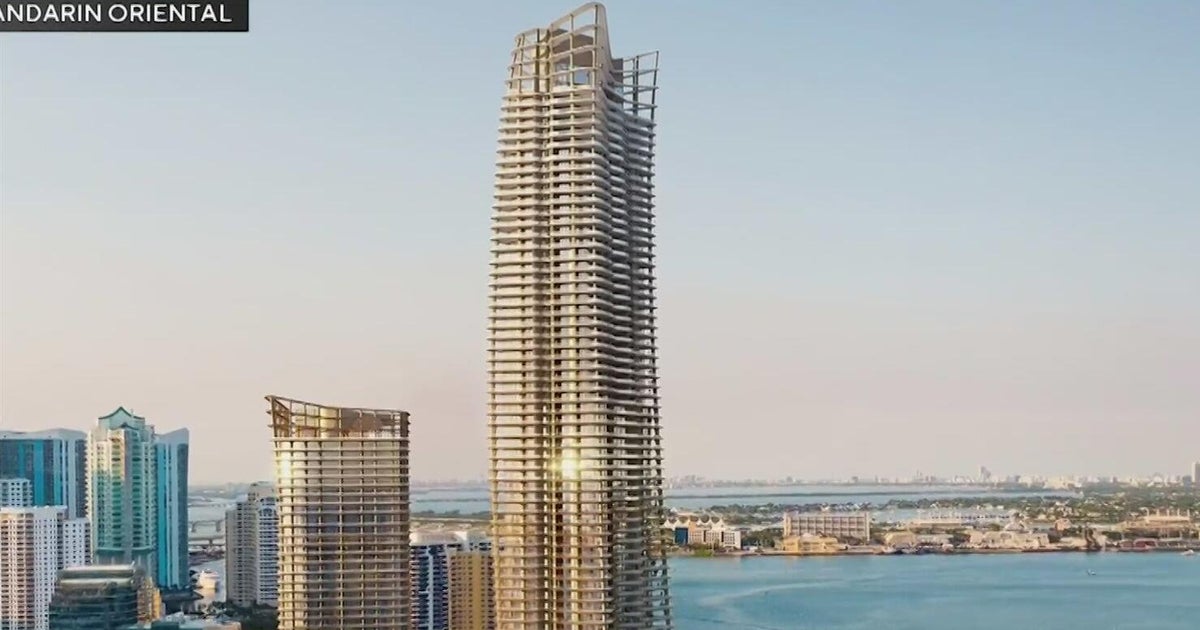
The 23-story old Mandarin Oriental Hotel in Brickell Key was demolished in a 20-second implosion, clearing the site for two new towers with hotel rooms and residences. The developer expects debris removal to take about six months, with the new project slated to break ground this fall and complete by 2030. The article is primarily a real-estate redevelopment update and is unlikely to have broad market impact.
This is less a demolition story than a signal that Miami’s high-end waterfront supply is being re-priced upward for the next cycle. Removing an obsolete asset on a constrained island creates a scarcity premium for adjacent trophy inventory: pre-construction pricing in comparable luxury nodes typically follows a 10-20% step-up once site work is visibly de-risked, especially when the replacement product mixes hospitality and residential uses that can cross-subsidize sales. The key second-order effect is that the project extends the “new Miami” narrative on the most supply-constrained geography in Brickell, which should support pricing power for nearby condo developers and luxury hotel operators even before completion.
The more interesting trade is not the headline development itself, but the timing mismatch. Debris removal may finish in months, but monetization is years away, while carrying costs and financing conditions can still change materially. That leaves the project exposed to higher-for-longer rates, pre-sale absorption risk, and any softening in foreign-buyer demand; luxury condo projects are especially vulnerable to a 100-150 bps mortgage rate move because buyers are leveraged indirectly through opportunity cost even when paying cash.
From a competitive standpoint, the beneficiaries are local landowners, brokerage firms with ultra-luxury exposure, and select listed hotel/resort names with Miami pricing power; the losers are older Class A condos and competing development sites that now face a stronger scarcity benchmark. The contrarian view is that the market often overestimates near-term economic spillover from iconic redevelopments: the real cash flow uplift is back-end loaded, while construction noise, temporary access constraints, and financing dilution can weigh on nearby comps for several quarters before the new asset is even visible in earnings.
AI-powered research, real-time alerts, and portfolio analytics for institutional investors.
Request DemoOverall Sentiment
neutral
Sentiment Score
0.10
