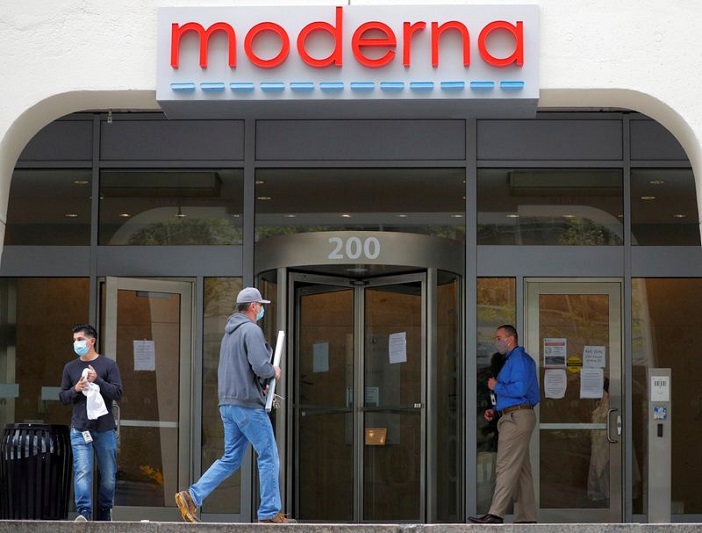
UBS reiterated a Neutral rating on Moderna with a $45 price target, versus a current share price of $47.38, while flagging the Phase III INT adjuvant melanoma interim analysis as a key 2026 catalyst. UBS sees a greater than 50% probability of success and said the stock could rise 25% to 50% if the interim endpoint is met. The article also notes ongoing mRNA vaccine research and recent governance updates, but the core takeaway is a cautious, catalyst-driven positive view on the pipeline.
The market is pricing Moderna as a single-asset, long-dated option on pipeline execution, and that is the right frame. The key second-order effect is not the melanoma readout itself, but whether a positive interim result re-rates the entire INT franchise and compresses the “time-to-probability” discount across the partnered oncology programs, especially for a platform that has been treated like a COVID ex-growth story.
The setup is asymmetric because the catalyst window is still months away, but the stock can move well before data if the interim analysis cadence becomes visible. That creates a classic path-dependent trade: implied volatility likely rises into the event, while downside is cushioned by the fact that failure to stop early is not binary bad—it can simply defer the value inflection and keep the asset in the “not disproven” bucket.
The contrarian risk is that consensus is overestimating how much a modestly positive interim changes durable valuation. If the readout is directionally good but not clean enough to validate a platform-wide success probability, the multiple expansion may be far smaller than the market is modeling, especially given looming capital allocation questions and the tendency for biotech rallies to fade when a single catalyst becomes a rolling series of de-risking milestones.
Competitively, a credible signal in one oncology setting would improve Moderna’s bargaining position versus partners and rivals in the mRNA oncology race, but it could also intensify expectations across peers with earlier-stage pipelines. The bigger medium-term winner may be the platform ecosystem—CDMOs, lipid nanoparticle inputs, and oncology trial sponsors—while pure-play competitors with weaker data discipline could face relative de-rating if Moderna shows the first reproducible efficacy signal in this franchise.
AI-powered research, real-time alerts, and portfolio analytics for institutional investors.
Request DemoOverall Sentiment
mildly positive
Sentiment Score
0.25
Ticker Sentiment
