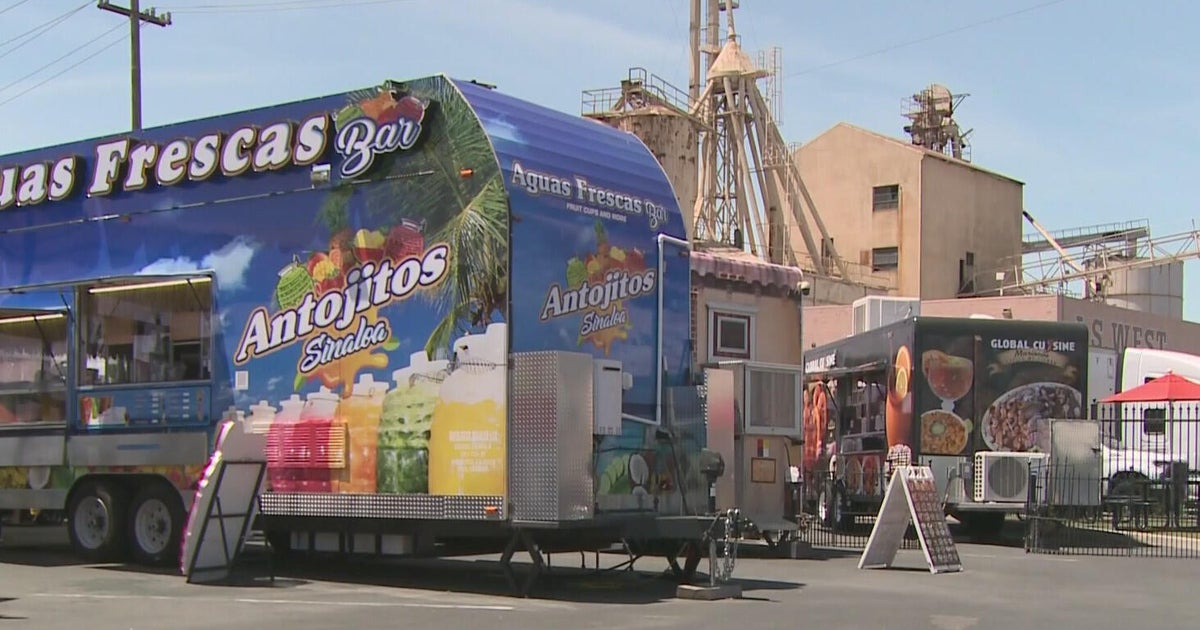
Northern California gasoline prices have climbed above $6 per gallon for the first time this year, while diesel has risen to $7.44, up $2.44 year over year from $5.00. The surge is squeezing food truck operators in Modesto, with one owner saying he spends about $250 a week on diesel just to move his truck between events and storage. Rising fuel and food costs are pressuring margins and may force menu price increases if fuel prices stay elevated.
This is a small but clean inflation impulse that hits the low-margin end of consumer spending first. The immediate winners are upstream refiners and fuel distributors with California exposure, but the bigger second-order effect is margin compression in regional foodservice, convenience, and local delivery ecosystems where transport is a meaningful share of COGS. Because these operators have limited pricing power and high labor intensity, the pain shows up with a lag: first in reduced frequency of mobile service and catering routes, then in menu inflation, then in lower transaction counts.
The more interesting read-through is to discretionary demand quality in California rather than headline CPI. When fuel is expensive, consumers cut the most elastic purchases first — food trucks, late-night food, and impulse dining — which can soften traffic for adjacent brick-and-mortar lunch spots as well. That creates a self-reinforcing loop: lower volume forces operators to spread fixed costs over fewer tickets, raising the odds of permanent menu hikes and eventual demand destruction. The time horizon is months, not days, unless crude and diesel retreat quickly.
A key contrarian point: the market may underappreciate how quickly service businesses can absorb fuel shocks via route consolidation, reduced event participation, and generator-sharing arrangements. That means the first-order revenue hit can be smaller than expected, but the long-term consequence is worse — weaker small-business formation and less mobile catering capacity, which disproportionately benefits larger franchised chains and fixed-location incumbents. If fuel stays elevated into the next quarter, expect a gradual transfer of share from independent mobile vendors to national QSRs and grocery-prepared food.
AI-powered research, real-time alerts, and portfolio analytics for institutional investors.
Request DemoOverall Sentiment
moderately negative
Sentiment Score
-0.45
