
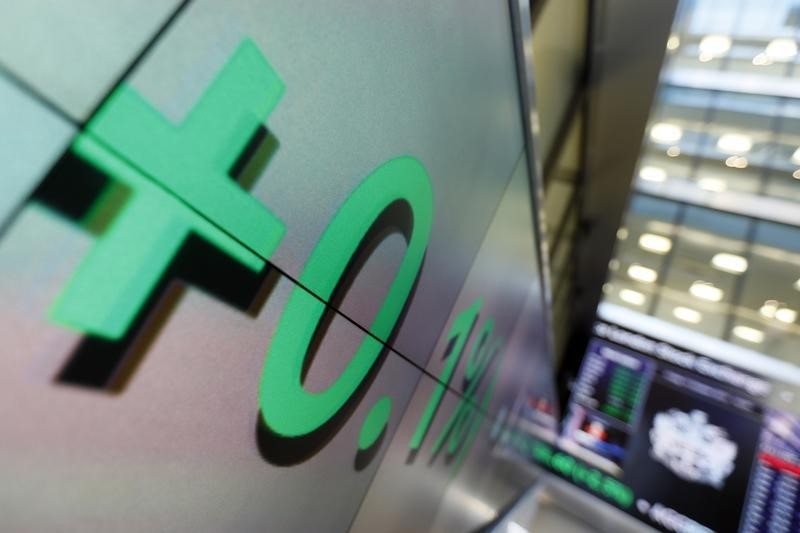
UK stocks rose 0.78% to a new 1-month high as the Strait of Hormuz reopened and U.S.-Iran peace talks progressed, easing geopolitical risk. Crude oil fell sharply 12.21% to $83.13/bbl and Brent dropped 10.56% to $88.89/bbl, while gold gained 1.78% to $4,893.84/oz. Oil majors BP, Shell and SSE sold off 7.36%, 5.57% and 6.72%, respectively, while airlines IAG and easyJet rallied 6.19% and 6.06% on lower energy-cost expectations.
The market is pricing a rapid unwind of the geopolitics premium, but the cleaner read is that this is a volatility event, not a structural reset. Energy names are being hit hardest because they were the most crowded expression of a supply-shock hedge, yet the physical market rarely reprices instantly: shipping insurance, time-charter rates, and regional crack spreads can stay elevated even when front-month crude sells off. That creates a likely second-order winner/loser split: upstream beta gets de-risked immediately, while refiners, airlines, and heavy fuel consumers may keep part of the windfall for weeks before fuel contracts reset.
The bigger tell is the divergence between oil and gold. Gold’s bid suggests the market is not fully comfortable that the geopolitical tail risk is gone; it is simply swapping an acute supply-risk trade for a softer-dollar, lower-real-yield macro trade. If the peace process stumbles, the rebound in crude could be violent because short positioning and systematic trend-following will likely re-enter on any headline reversal, making near-term downside in energy asymmetric to the upside for those carrying optionality.
For Shell specifically, the selloff looks more like a beta liquidation than a fundamental downgrade. Integrated majors tend to lose twice: first on lower commodity price expectations, then again when investors rotate toward the sectors that benefit immediately from cheaper fuel. The contrarian angle is that this could be a better entry for quality energy equities than the headline suggests if Brent stabilizes in the high-$80s, since balance sheet strength and buyback capacity become more visible once the panic hedge is removed.
AI-powered research, real-time alerts, and portfolio analytics for institutional investors.
Overall Sentiment
mildly positive
Sentiment Score
0.15
Ticker Sentiment
