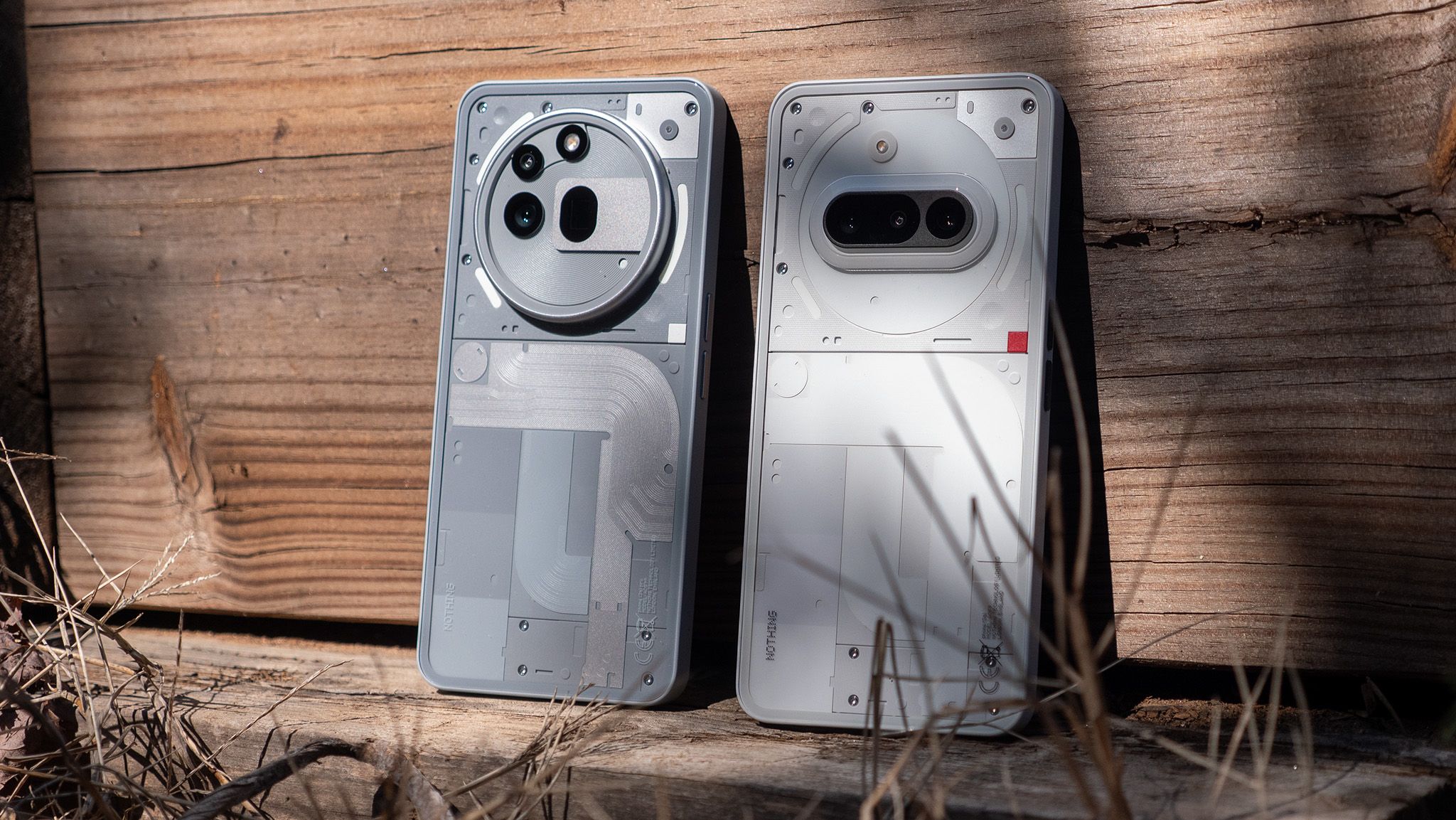
Leaked specifications for Nothing's upcoming Phone 4a and 4a Pro suggest hardware upgrades that include a 6.8" 1.5K AMOLED 144Hz display for the Pro and a 6.7" 1.5K AMOLED up to 120Hz for the base model, potential triple-camera setups with 50MP Sony main sensors (OIS) and very high zoom claims, a reported 5,080mAh battery with 50W charging for the Pro, and a Snapdragon 7s Gen 4 SKU with up to 12GB RAM and 128/256GB storage. Reports also indicate possible price increases of roughly €50 and €90, bringing estimated EU prices to ~€409 and ~€499 respectively, and Nothing has teased a March 5 launch; if realized, higher ASPs from these upgrades could support revenue upside but remain speculative until official confirmation.
Market structure: Nothing’s rumored Phone 4a upgrades (6.8" 144Hz, 50MP Sony sensor, Snapdragon 7s Gen 4) shift wallet share toward higher-ASP mid-ranges and directly benefits component suppliers—Sony (image sensors) and Qualcomm (mid-tier SoC) gain negotiating power and incremental ASPs of €50–90 imply ~10–20% price lift that could compress unit demand by an estimated 3–8% if elasticity holds. Smaller OEMs or price-sensitive EU-focused brands are losers as they can’t match vertically integrated marketing or component terms; carriers/retailers may reduce subsidies, amplifying volume risk for low-ASP players.
Risk assessment: Tail risks include production failure or review-driven reputation loss (10–15% hit scenario), sensor or SoC allocation shortages (supply squeezes) and demand elasticity turning price hikes into double-digit unit declines. Immediate (days) risk: volatility around March 5 reveal; short-term (1–3 months): review-driven sell-through and carrier uptake; long-term (2–4 quarters): share shifting if mid-range cannibalizes flagship sales. Hidden dependencies: Nothing’s reliance on contract manufacturers, Sony’s sensor allocations, and Qualcomm’s wafer yields—second-order effect is component suppliers’ revenues concentrating, increasing single-customer concentration risk.
Trade implications: Direct plays—tilt long QCOM and SONY exposure to capture component upside over the 1–3 month product cycle, with tactical option structures to limit downside. Pair trade—long QCOM vs short price-sensitive handset OEMs (e.g., 1810.HK Xiaomi) for 90 days to express tiered-SOC wins over commoditized OEMs. Expect modest FX/bond impact; cross-asset flows minimal unless industry-wide ASP increases persist into multiple quarters.
Contrarian angles: Consensus underestimates upside to suppliers because even moderate Nothing volumes (2–5m units) amplify sensor and SoC revenues—e.g., a $15–$20 sensor ASP on 3m phones = $45–60m incremental revenue to Sony, material to sensor margins. Market may be underpricing Qualcomm optionality in the mid-range: if Qualcomm captures +2–4% share of global handset SoC mix, EPS upside could be 3–6% over 12 months. Unintended consequence: elevated mid-range specs can accelerate refurb/used-market growth, capping long-run incremental volumes for OEMs without service ecosystems.
AI-powered research, real-time alerts, and portfolio analytics for institutional investors.
Request DemoOverall Sentiment
mixed
Sentiment Score
0.05
Ticker Sentiment
