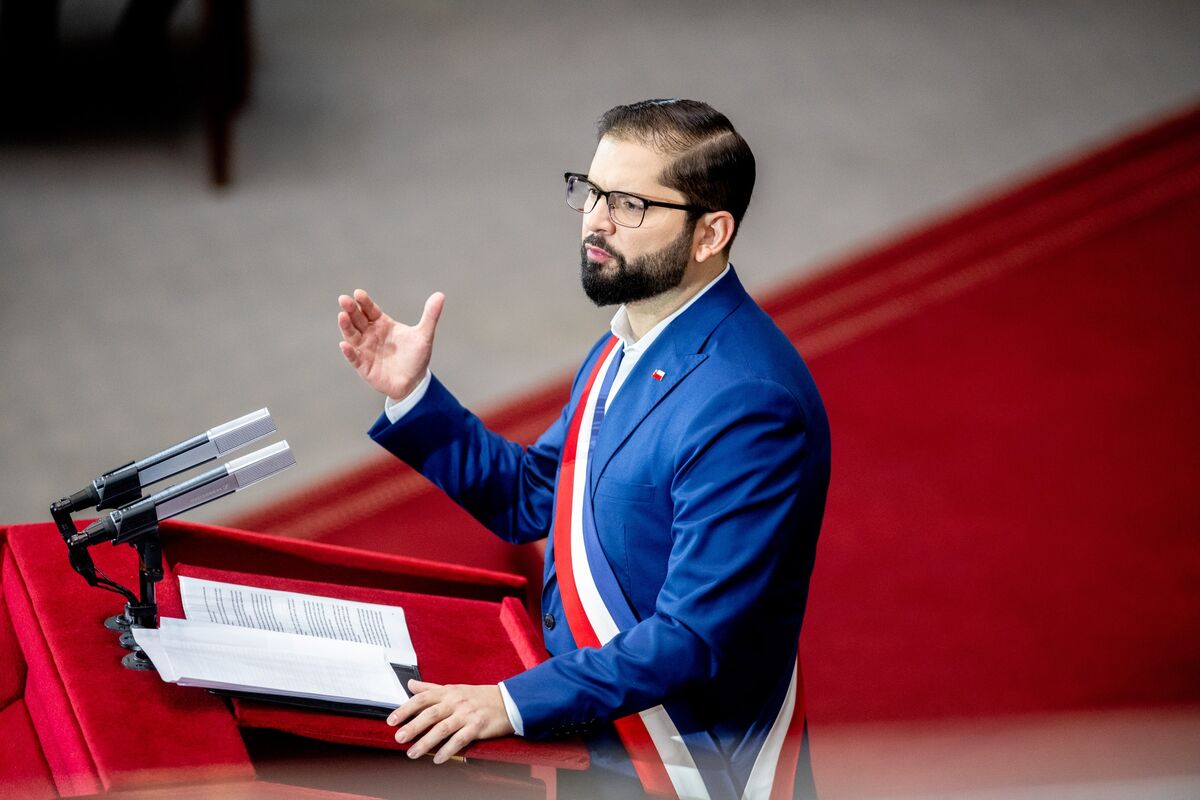
Chilean President Gabriel Boric has proposed a modest 1.7% increase in public spending for 2026, signaling a push to regain fiscal credibility following consecutive missed targets. The budget prioritizes healthcare, pensions, housing, and public security, and will now proceed to congressional debate. This conservative spending plan indicates a more disciplined fiscal approach from the Boric administration, which could impact sovereign debt and investment outlooks for the country.
The Chilean government, under President Gabriel Boric, has proposed a notably conservative 2026 budget with a public spending increase of just 1.7%. This proposal represents a clear strategic shift towards fiscal consolidation, explicitly aimed at restoring credibility following consecutive years of missed fiscal targets. The restrained expenditure plan, if enacted, could signal a more disciplined macroeconomic management approach, which is a key development for investors assessing Chile's sovereign risk profile. While the overall increase is modest, the budget prioritizes specific sectors including healthcare, pensions, housing, and public security, indicating an attempt to balance fiscal prudence with pressing social needs. The proposal's progression through Congress, which holds the power to alter its contents, remains a critical variable and a source of potential political risk to the final fiscal outcome.
AI-powered research, real-time alerts, and portfolio analytics for institutional investors.
Request DemoOverall Sentiment
mildly positive
Sentiment Score
0.35
