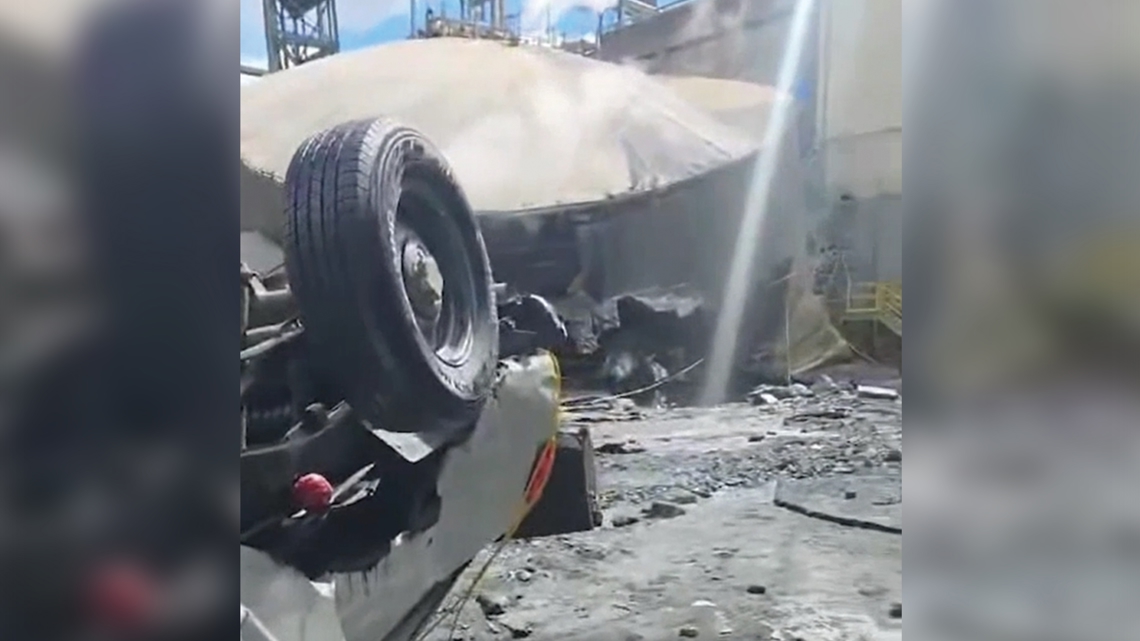
An implosion at Nippon Dynawave Packaging's Longview paper mill is presumed to have killed 11 workers and injured eight, with nine still unaccounted for and recovery efforts constrained by an unstable tank and toxic white liquor contamination. Water testing confirmed the chemical mixture entered the Columbia River, while authorities reported no immediate air-quality or municipal water supply impacts. The event is one of the deadliest U.S. industrial accidents in recent decades and could trigger significant cleanup, safety, and regulatory scrutiny.
This is less a one-off industrial tragedy than a reset event for a niche but important input chain. The immediate P&L hit is concentrated in pulp/paper operators that depend on continuous kraft throughput, but the larger second-order effect is tighter supply of process chemicals, containment equipment, emergency response services, and environmental remediation contractors over the next 1-3 quarters. Expect insurers and reinsurers to reprice industrial property and pollution liability more aggressively; the bigger signal is that high-hazard legacy plants with ageing pressure vessels now carry a larger tail-risk premium, which should widen financing spreads for capital-intensive industrials with opaque maintenance capex.
The contamination angle matters more than the casualty count for markets. Even if the physical restart is eventually measured in months, the regulatory overhang can extend into next year: water remediation, permitting reviews, civil suits, and potential worker-safety findings create a multi-layered liability stack. That tends to favor firms with recurring remediation revenue and penalize local industrial names exposed to ESG scrutiny, especially where an incident can trigger customer substitution or municipal procurement review.
The contrarian take is that the market may over-discount the chance of a broad paper-product demand shock. This is an asset-specific event, not a sector-wide demand inflection, so the real opportunity is relative value: short the most levered operators with single-site concentration and poor environmental track records, while owning beneficiaries of cleanup and compliance spend. The key catalyst window is the next 2-8 weeks, when investigators and regulators define causality; if negligence or deferred maintenance is implicated, the valuation reset could be larger than the direct repair cost alone.
AI-powered research, real-time alerts, and portfolio analytics for institutional investors.
Request DemoOverall Sentiment
extremely negative
Sentiment Score
-0.85
