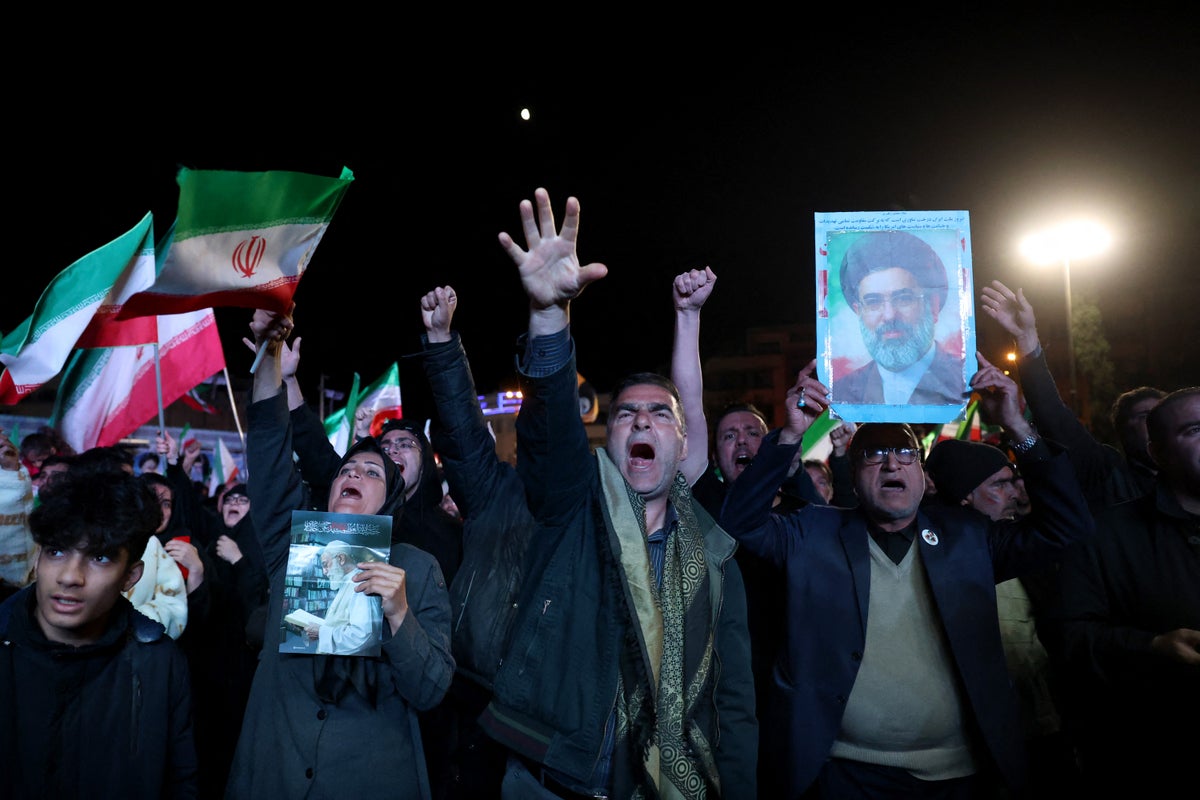
Ceasefire talks between the US and Iran remain fragile as Iran demands a 10-point deal including continued control of the Strait of Hormuz and acceptance of uranium enrichment, while the US publicly rejects key demands and disputes whether Lebanon/Hezbollah is covered. The Strait — which handles roughly 20% of global oil and gas shipments — remains effectively closed without Iranian permits after retaliatory strikes on Gulf oil facilities, raising immediate energy-supply and shipping disruption risks. Diplomatic engagement is accelerating with delegations (US led by VP JD Vance; Iran including Qalibaf and Araghchi) heading to Islamabad, but unresolved issues on sanctions, nuclear stockpiles, and maritime rights sustain high geopolitical downside risk.
Maritime-transit uncertainty and sanctions ambiguity are creating two distinct market rent pools: (1) transient operational premia (insurance, freight, demurrage) that can reprice within days-to-weeks, and (2) structural commodity optionality (nuclear fuel, sanctioned supply capacity) that unfolds over months-to-years. Owners of specialized shipping tonnage capture the former nearly dollar-for-dollar through time-charter resets and shorter voyage cycles; insurers and reinsurers can capture margin expansion but face tail-loss exposure that should keep volatility elevated.
Uranium and fuel-cycle markets trade as an asymmetric, long-duration option on policy outcomes: modest diplomatic progress reduces near-term risk premia but can increase medium-term available supply if restrictions are lifted, pressuring spot prices over 6–36 months; conversely, persistent ambiguity or covert stockpile disputes steepens the term structure and favors miners with short lead-time production. Defense primes see discretely higher probability of new regional programs (sustainment, ISR, air defenses) that convert into multi-year contract streams—these are more certain than one-off procurement spikes.
Key catalysts to watch are (a) miscommunications or targeted seizures that could shock freight/insurance markets within 0–30 days, (b) a narrow diplomatic text that clarifies sanctions scope in 1–3 months and reintroduces sanctioned supply into compliance channels, and (c) legal/maritime arbitration outcomes that determine whether premium-charging practices survive challenge over 6–18 months. The highest probability P&L rotations: rapid mean-reversion of freight/insurance premia if transit access is institutionalized, versus persistent upside to uranium miners if policy leaves enrichment ambiguous but legitimized under inspection regimes.
AI-powered research, real-time alerts, and portfolio analytics for institutional investors.
Request DemoOverall Sentiment
moderately negative
Sentiment Score
-0.45
