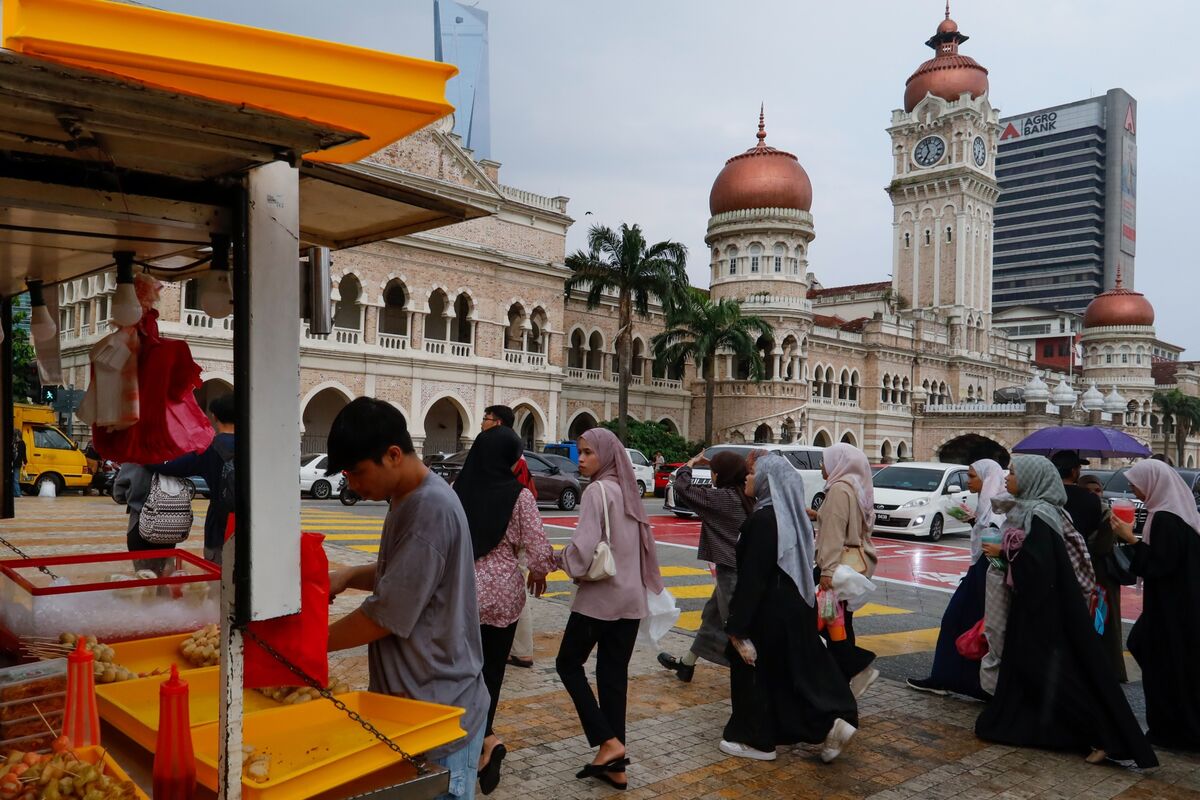
Malaysia's 2026 budget, announced by Prime Minister Anwar Ibrahim, is poised to benefit consumption and tourism-related companies through an increase in cash handouts to 15 billion ringgit ($3.6 billion) from 13 billion ringgit. The plan also allocates funds to strategic sectors including semiconductors, clean energy, and digital transformation, while aiming to narrow the fiscal deficit to 3.5% of GDP from 3.8% in 2025, signaling a focus on both domestic demand stimulus and fiscal consolidation.
Malaysia's 2026 Budget, announced by Prime Minister Anwar Ibrahim, signals a dual focus on domestic demand stimulus and fiscal consolidation. The government plans to increase cash handouts to 15 billion ringgit ($3.6 billion) in 2026, up from 13 billion ringgit this year, specifically targeting the impact of higher living costs. This direct injection of funds is expected to significantly boost consumption and tourism-related companies.
Beyond consumer support, the budget allocates substantial funds towards strategic growth sectors. These include semiconductors, clean energy, and digital transformation, indicating a governmental push for industrial modernization and diversification. Such investments aim to enhance Malaysia's long-term economic competitiveness and attract foreign direct investment in high-value industries.
Concurrently, the budget outlines a commitment to fiscal prudence, aiming to narrow the fiscal deficit to 3.5% of GDP in 2026 from 3.8% in 2025. This fiscal consolidation, alongside targeted spending, suggests a balanced approach to economic management. The overall sentiment surrounding these announcements is moderately positive and optimistic, implying a favorable market reaction to the government's strategic direction.
AI-powered research, real-time alerts, and portfolio analytics for institutional investors.
Overall Sentiment
moderately positive
Sentiment Score
0.50
