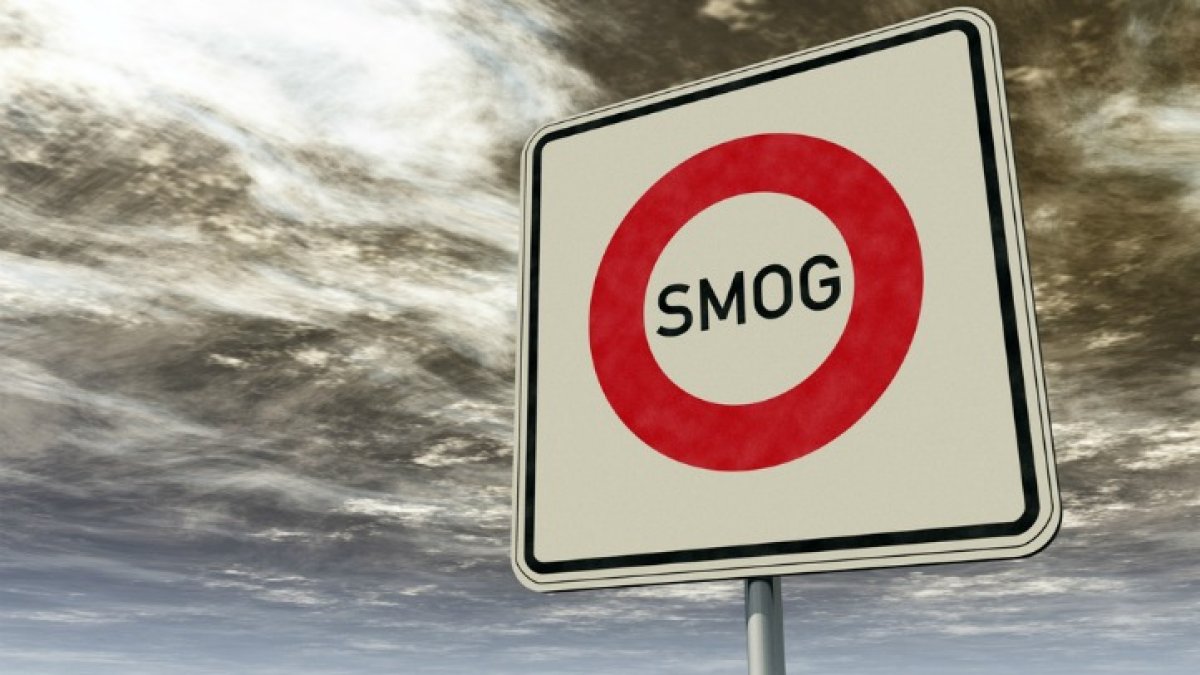
San Diego County ranked as the 7th-smoggiest U.S. region, up from 8th last year, and was also the 5th-worst area for year-round particle pollution. The report says 44% of Americans live in counties failing at least one air-quality measure, while 32.9 million people live in counties failing all three; the American Lung Association cited worsening ozone tied to heat, wildfires, and weaker EPA enforcement. The findings are broadly negative for public health and environmental policy, but limited in direct market impact.
This is a slow-burn policy and health-cost story, not a one-day catalyst. The market-relevant effect is asymmetric: the direct winners are companies that sell emissions monitoring, filtration, HVAC retrofits, remote sensing, and respiratory care, while the losers are municipal/corporate balance sheets in the most exposed regions that may face rising compliance capex and higher insurance costs over the next 12-36 months. The second-order implication is that poor air quality becomes a labor-productivity and absenteeism issue, which can matter more than the headline health narrative for employers with outdoor workforces and logistics exposure.
The climate linkage raises the probability of episodic spikes rather than a smooth trend, which is important for positioning. Extreme heat and wildfire-driven ozone/PM episodes can create quarter-to-quarter volatility in health utilization, but the more durable trade is in companies with recurring revenue tied to air-quality mitigation and chronic respiratory management. If enforcement weakens further, the near-term economic drag may be muted, but that can be offset by state-level rules, litigation, and private-sector procurement of cleaner fleets/buildings, which tends to support a longer-cycle capex wave.
The consensus may be overemphasizing the public-health headline and underpricing the operational cost channel. For the worst-affected counties, the bigger risk is not just more ER visits; it is tighter labor supply in outdoor sectors, more workplace interruptions, and incremental attrition in tourism and real estate demand during high-smog/high-heat periods. That suggests selective beneficiaries in healthcare services and air-filtration, while energy, industrials, and transport names with heavy California exposure face a gradual margin headwind rather than an immediate earnings shock.
AI-powered research, real-time alerts, and portfolio analytics for institutional investors.
Request TrialOverall Sentiment
moderately negative
Sentiment Score
-0.35
