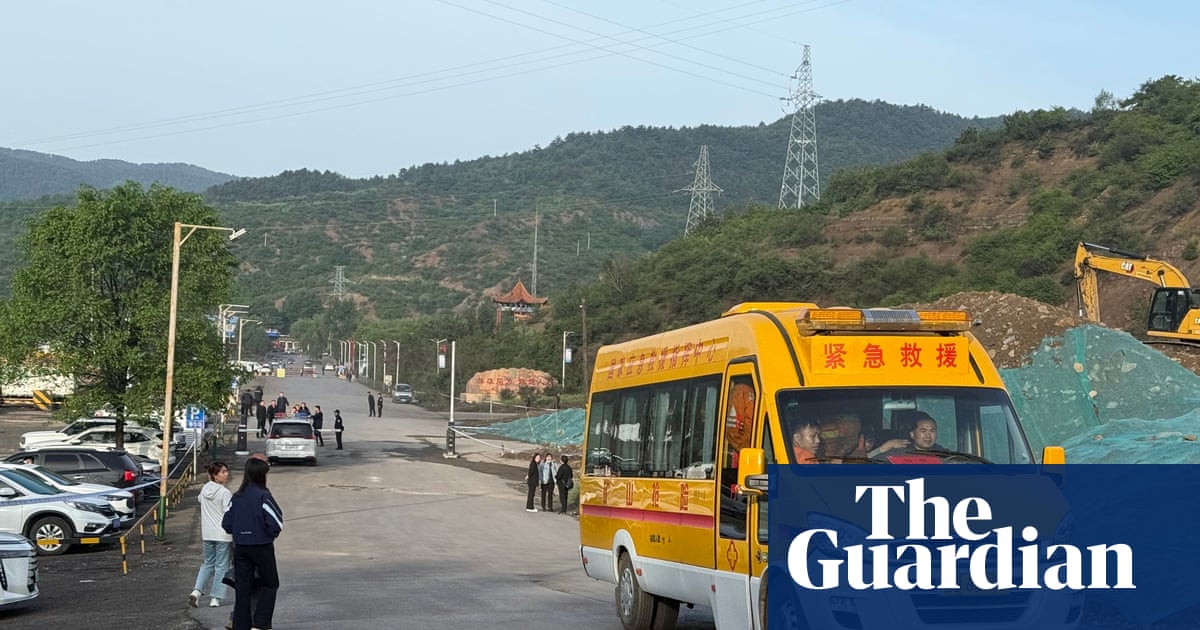
At least 82 people were killed and 9 remain missing after a gas explosion at the Liushenyu coalmine in Shanxi province, making it one of China’s deadliest mining accidents in the past decade. The incident occurred while 247 workers were underground, and authorities have launched a rescue effort and investigation; company executives have been detained. The event underscores ongoing safety and regulatory risks in China’s coal sector, though direct market impact is likely limited.
The immediate market read-through is not about a single mine, but about policy repricing across China’s coal complex. A fatality event of this scale raises the odds of a broader enforcement wave: spot inspections, temporary shutdowns, permit reviews, and pressure on provincial officials to show compliance can all hit production for weeks to months, even if the physical damage is localized. That creates a near-term squeeze on domestic thermal coal availability and can support seaborne coal pricing at the margin, particularly if other operators preemptively curtail output to avoid scrutiny.
Second-order, the bigger beneficiary is not necessarily upstream miners but downstream power generators and steel users with import flexibility. If domestic Chinese supply is disrupted while demand is seasonally sticky, utilities may lean harder on seaborne coal, LNG peakers, or higher-cost rail-linked supply, which widens basis dislocations and raises working-capital needs for buyers. In contrast, smaller private miners and contractors face outsized legal/financial risk because accountability tends to propagate beyond the incident site into licensing, executive detentions, and capex delays.
The contrarian angle is that the headline may be more punitive than durable for the commodity complex. China has a long history of tightening after major accidents, but these episodes often produce a short-lived supply hit followed by administrative normalization once inspections are complete. If inventories at utilities are comfortable, the price effect could fade within days to a few weeks; the real medium-term risk is not coal price but a broader regulatory discount on Chinese resource assets and engineering contractors exposed to safety enforcement.
For cross-asset positioning, the most attractive setup is a tactical long in seaborne coal exposure versus a short basket of China domestic miners or coal-service names, with a 2-6 week horizon and a tight stop if Beijing signals a targeted rather than systemic response. If you want to express the downstream squeeze, a relative-value long in non-China thermal coal exporters against Chinese industrials is cleaner than outright commodity longs. The key catalyst to watch is whether this becomes a province-wide safety campaign; that would extend the impact from days to 1-3 months and materially raise the upside for imported coal and LNG.
AI-powered research, real-time alerts, and portfolio analytics for institutional investors.
Request DemoOverall Sentiment
strongly negative
Sentiment Score
-0.78
