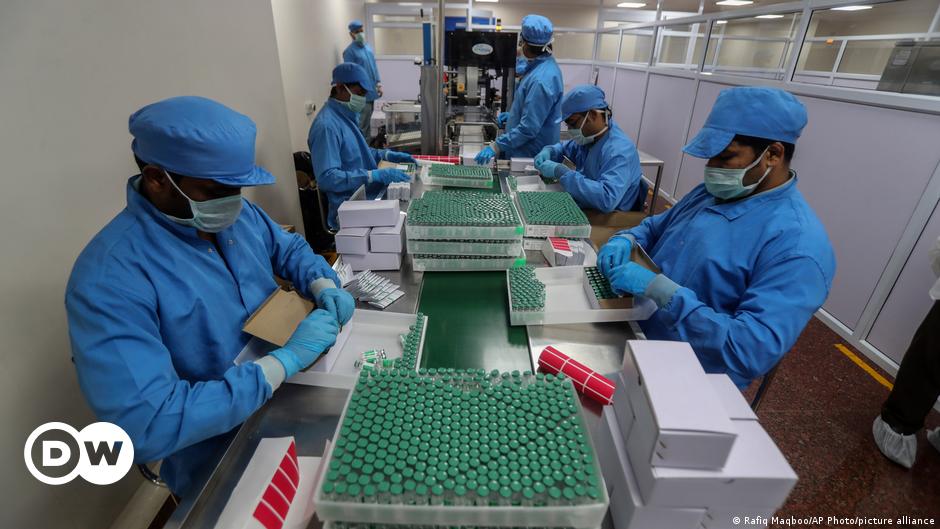
India supplies roughly 40% of Africa's imported medicines, but the Iran war has disrupted Gulf shipping routes, raised war-risk premiums, and increased freight, insurance and input costs. Basic drugs, vaccines and insulin are most vulnerable because African health systems hold limited inventory and rely on tightly timed procurement cycles. The article warns of shortages already affecting several countries, with treatment interruptions raising the risk of wider public health stress.
The market is underappreciating that this is not just a freight issue but a working-capital shock to low-margin generic supply chains. A sustained uplift in insurance, fuel, and air-cargo costs will squeeze distributors first, then force formulary rationing in public systems that already operate with minimal inventory, creating a delayed but sharper volume hit than a simple price pass-through story would imply. The immediate beneficiaries are not pharma exporters but substitute channels: domestic distributors with local stock, cold-chain/logistics providers with Gulf-independent routings, and any manufacturer with meaningful African in-country finishing capacity. For RDY and other India-linked generics players, the first-order earnings risk is manageable, but the second-order risk is margin compression from input inflation combined with payment delays from African sovereign buyers. That makes the asymmetric exposure less about lost unit sales and more about receivables, FX, and inventory carrying costs over the next 1-2 quarters. If the Strait disruption persists beyond one shipping cycle, expect procurement tenders to reset higher and favor larger suppliers with balance-sheet capacity, while smaller regionally exposed players get pushed out. The key contrarian point is that this shock may accelerate local substitution faster than policymakers expect. Even if Africa cannot replace Indian APIs near-term, governments and multilaterals may respond by pre-buying essential drugs, funding buffer stocks, and subsidizing regional packaging/assembly, which would cap downside for supply but permanently lower turnover velocity for incumbents. In other words, the near-term headline is shortage, but the medium-term tradeable outcome may be margin dilution and longer cash-conversion cycles rather than a durable volume collapse.
AI-powered research, real-time alerts, and portfolio analytics for institutional investors.
Overall Sentiment
strongly negative
Sentiment Score
-0.72
Ticker Sentiment
