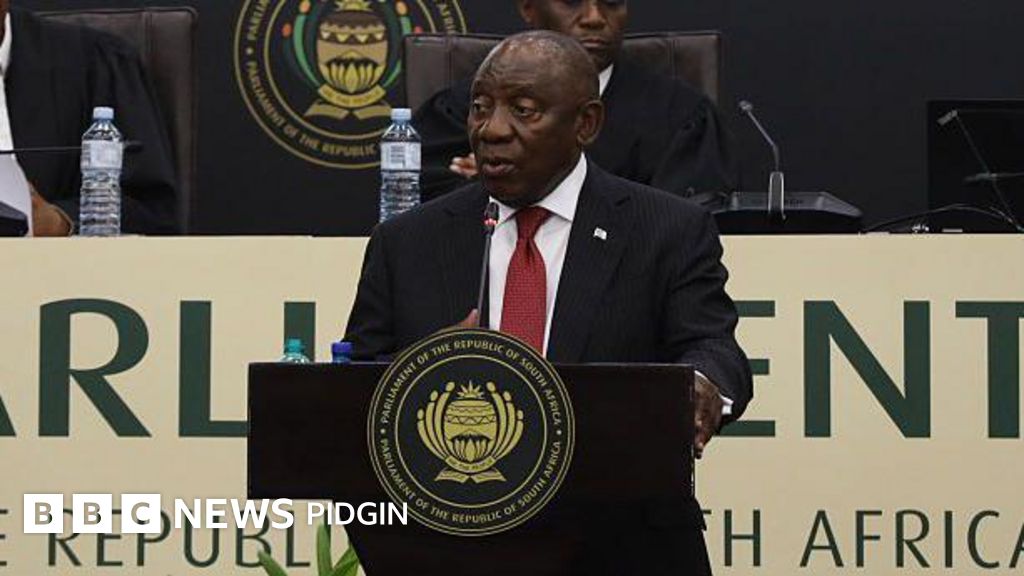
South African President Cyril Ramaphosa will face parliament on Thursday amid renewed pressure after the Constitutional Court ruled the National Assembly mishandled its December 2022 vote on the Phala Phala impeachment-related report. Opposition leaders, including Julius Malema, have again called for Ramaphosa to resign, but the president said he will not step down and will subject himself to due process. The article is politically important but has limited direct market impact unless it escalates into a formal impeachment process.
The market implication is not the court ruling itself, but the incremental deterioration in policy bandwidth. When a president is forced into a prolonged defensive posture, coalition management and cabinet discipline weaken first; that usually shows up in slower execution on infrastructure, policing, and state-owned reform before it shows up in headline polling. For South Africa assets, that means a modest but real widening of the governance discount rather than an immediate regime-risk shock.
The second-order effect is on domestic cyclicals and banks that depend on loan growth, capex confidence, and a stable operating environment. Elevated political noise tends to hit the rand through portfolio flow sensitivity rather than trade fundamentals, which can be a short-duration tailwind for hard-currency earners but a medium-term headwind for retailers, property, and rate-sensitive lenders if local rates stay sticky. The most vulnerable names are those with high South Africa revenue exposure and limited offshore diversification.
The near-term catalyst path is binary over days to weeks: either the hearing becomes a contained political spectacle, or opposition members successfully keep the impeachment narrative alive, extending the overhang into the next parliamentary session. Over months, the real risk is not removal but policy paralysis; if the administration responds by leaning harder on security rhetoric and enforcement operations, it may improve sentiment around crime-sensitive sectors, but only if execution is credible. The contrarian view is that markets may be overpricing institutional fragility: South African governance systems have repeatedly absorbed political stress without translating into balance-sheet stress for larger corporates.
AI-powered research, real-time alerts, and portfolio analytics for institutional investors.
Request DemoOverall Sentiment
mildly negative
Sentiment Score
-0.15
