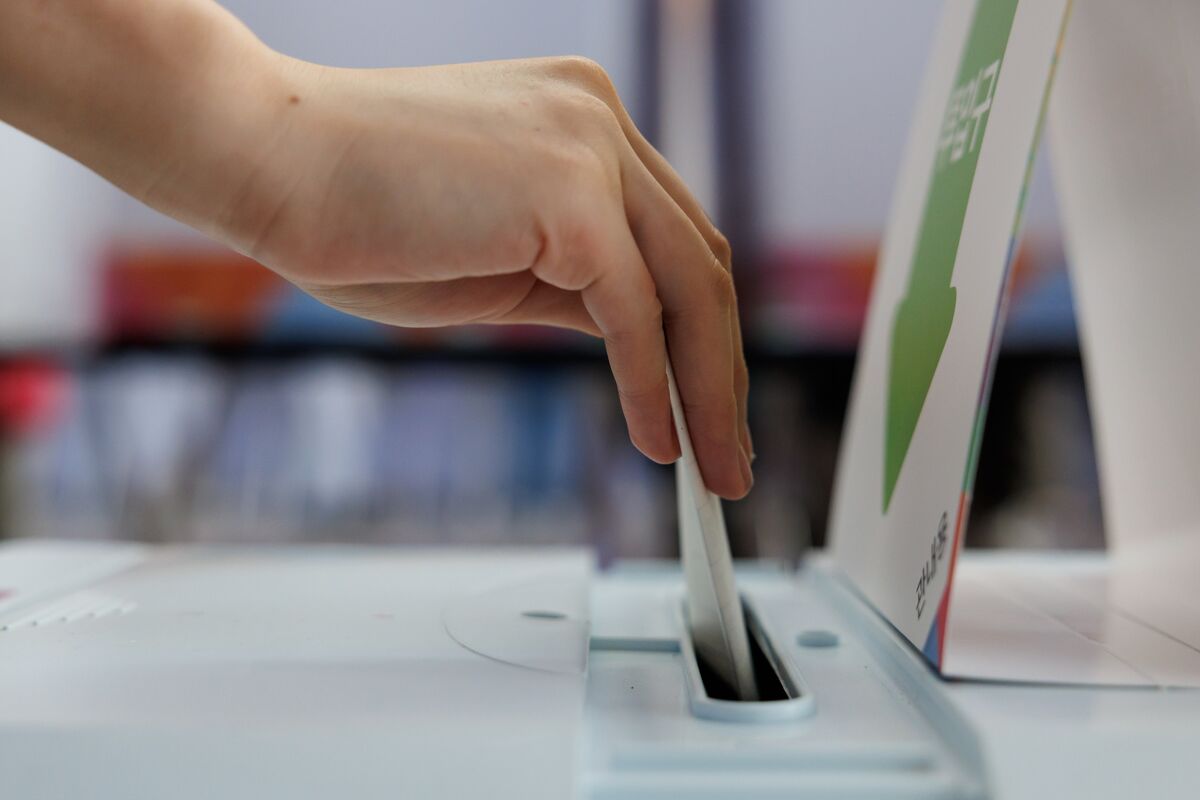
South Korea held presidential elections Tuesday following a constitutional crisis, with Democratic Party nominee Lee Jae-myung leading in polls against People Power Party's Kim Moon-soo. The outcome is crucial for the nation's efforts to heal and regain economic growth, as a split conservative vote, with Reform Party candidate Lee Jun-seok in the mix, complicates the political landscape.
South Korea is holding a pivotal presidential election, as reported, with the explicit goals of national healing following a significant constitutional crisis and the strategic aim to "regain growth." The Democratic Party's candidate, Lee Jae-myung, was identified as the frontrunner in final polls, ahead of the People Power Party's Kim Moon-soo. A key dynamic influencing the outcome is the presence of Lee Jun-seok of the Reform Party, who is splitting the conservative vote, potentially complicating the path to a clear majority for any single conservative candidate. This election is critical for determining the future economic policy trajectory of this key emerging market. The provided signals indicate a neutral sentiment (score 0.0) and a low market impact score (0.15) surrounding this event, suggesting that while politically significant, the immediate disruptive financial market implications are currently perceived as limited, or that investors are adopting a wait-and-see approach pending concrete policy outlines from the new administration.
AI-powered research, real-time alerts, and portfolio analytics for institutional investors.
Request DemoOverall Sentiment
neutral
Sentiment Score
0.00
