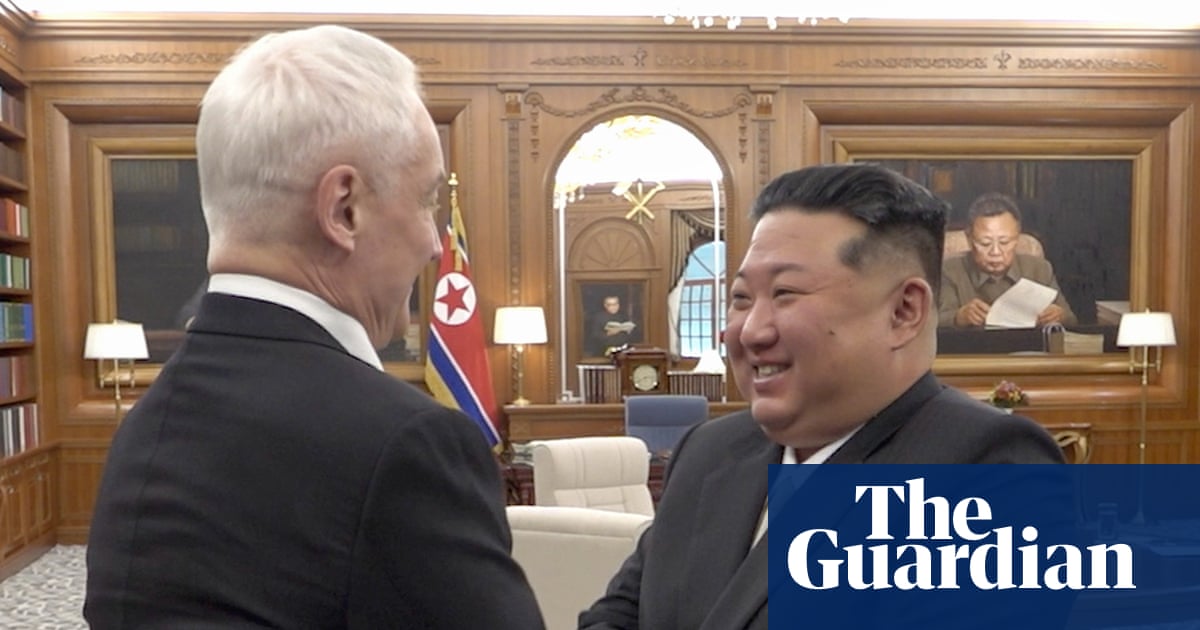
Russia and North Korea agreed to put military cooperation on a 'stable, long-term footing' covering 2027-2031, underscoring deeper defense alignment amid the war in Ukraine. The article also reports renewed strikes across Ukraine, Russian-occupied territory and Russia that killed at least 16 people, plus continued risks around Chornobyl and attacks on Russian industrial energy assets. Trump’s comments on ongoing talks with Putin and Zelenskyy add a diplomatic angle, but the dominant takeaway is persistent geopolitical and energy-security risk.
The most important second-order effect is that the Russia–North Korea relationship is moving from transactional wartime support to a quasi-structured procurement and manpower pipeline. That raises the probability of a more durable sanctions-evasion ecosystem across munitions, artillery shells, labor, and dual-use technology, which is bearish for any near-term assumption that Russian supply constraints will tighten meaningfully before 2027. It also increases the odds that the battlefield becomes less capital intensive for Russia, because externalized manpower and ammunition reduce pressure on domestic mobilization and industrial bottlenecks.
For markets, the bigger implication is not headline geopolitics but the extension of attritional conflict risk: more frequent deep-strike exchanges against refineries, logistics nodes, and critical infrastructure keep a floor under European gasoil, diesel cracks, and marine insurance premia. The Chornobyl-related rhetoric is a tail-risk amplifier rather than a base case, but it matters because even a low-probability nuclear-safety incident would force a violent repricing in European utilities, uranium sentiment, and regional risk assets. The repair bill itself is small relative to market size, yet the political signaling is large: it keeps the “nuclear infrastructure vulnerability” narrative live for months.
The underappreciated angle is that Ukraine’s long-range drone campaign is increasingly a supply-chain war, not just a symbolic one. Strikes on refining and fertilizer capacity can create localized shortages that ripple into agricultural input prices, trucking costs, and Russian domestic fuel distribution, which in turn can pressure industrial activity more than it shows up in headline oil balances. If this campaign persists, the marginal loser may be Russian downstream margins and select European refiners exposed to volatility, while defense electronics, drone components, and counter-UAS suppliers remain structurally supported.
The Trump diplomacy headline is a near-term sentiment wildcard, but the probability-weighted path remains high-friction and slow. Any negotiated pause would likely require battlefield exhaustion or a material shift in US leverage, neither of which is visible yet; so rallies on ceasefire hopes are likely to fade unless they are paired with concrete enforcement steps. Consensus is probably underpricing how sticky this conflict has become once third-party military support networks and infrastructure targeting become embedded.
AI-powered research, real-time alerts, and portfolio analytics for institutional investors.
Request DemoOverall Sentiment
mildly negative
Sentiment Score
-0.35
