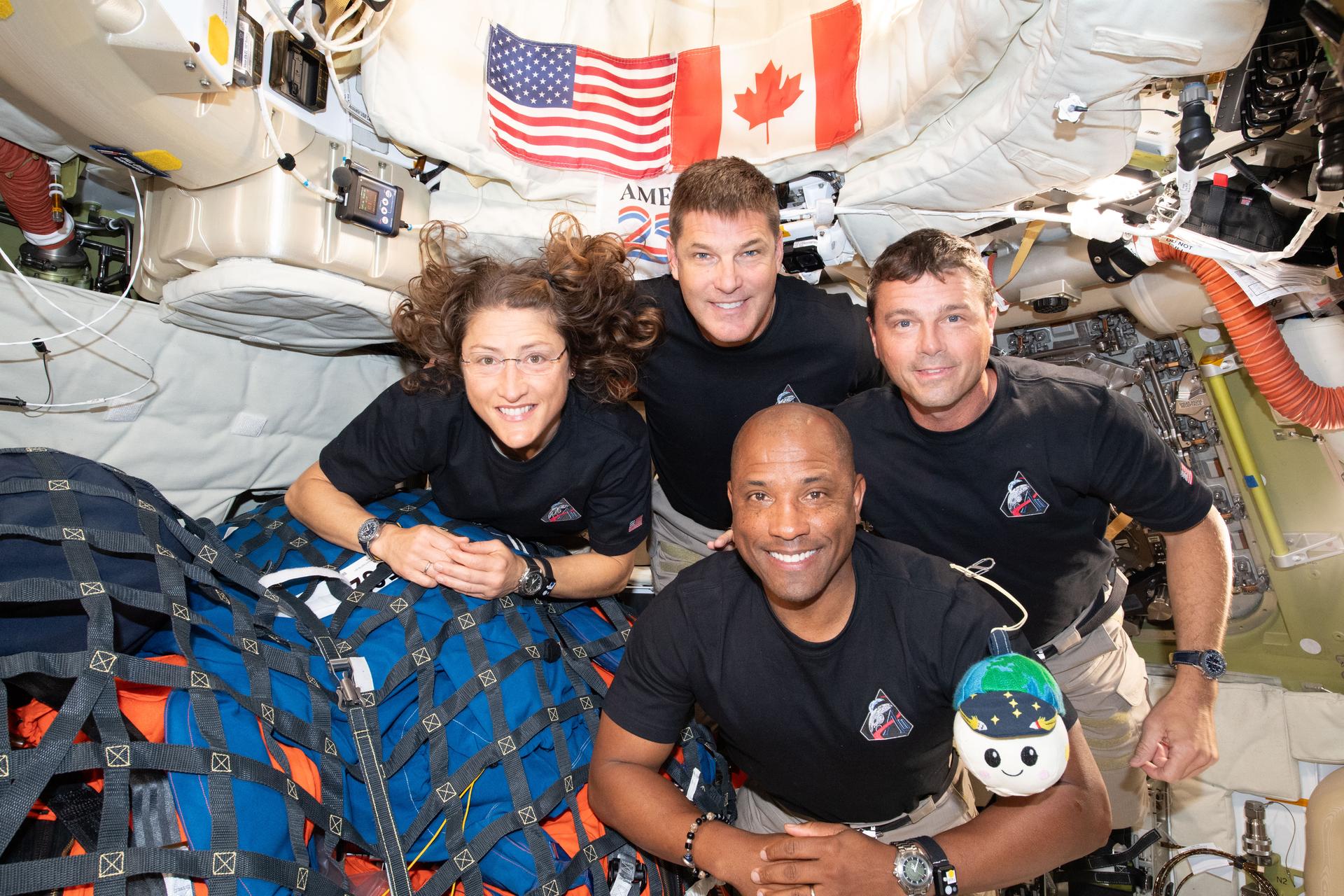
At wakeup Artemis II was 200,278 miles from Earth and 83,549 miles from the Moon; NASA is targeting splashdown Friday, April 10 at 8:07 p.m. EDT (5:07 p.m. PDT) off the coast of San Diego. The four-person crew (three NASA astronauts and one CSA astronaut) completed routine health and equipment activities including flywheel exercise and orthostatic‑intolerance garment testing as teams begin cabin stow and reentry preparations; flight controllers elected to forgo the planned 10:55 p.m. manual piloting demo and the shielding deployment demonstration. Media briefing and live-coverage details were provided; the update contains operational mission details with no direct market impact.
Live, high-profile mission coverage distributed simultaneously across walled gardens and CTV platforms functions as a stress-test for two separate monetization chains: subscription halo for premium services and short-duration ad RPM capture for platforms that sell inventory. For Netflix, presence on the menu is a branding win but not a reliable subscriber inflection — the marginal viewer for a one-off live event is more likely to watch through an ad-supported aggregator or the device OS than convert to a paid SVOD tier. For Roku, the mechanical pathway to monetization is clearer: incremental hours viewed on the platform translate directly to ad impressions and platform-sold CPMs, and a concentrated live window can lift hourly RPMs by a material (single-digit) percentage even if the absolute viewer pool is modest.
Second-order winners include measurement and low-latency tech providers (CDNs, ingest stacks) and any platform that can surface NASA content in home screens — that drives reuse of recommendation algorithms and increases average session length, which compounds quarterly ad revenue. The main risk is dilution: when an event is carried across a dozen free and paid endpoints, CPMs compress and attribution to any single platform weakens; alternatively, a smooth execution with measured concurrent-view metrics could be used as a proof point in Roku sales decks for higher upfront guarantee dollars in upcoming Q3 ad deals. Watchables over the next 72 hours: concurrent viewers, Roku platform hours/day, and any Netflix public claims of live-event product wins — any of which can flip a trade from capture to disappointment.
AI-powered research, real-time alerts, and portfolio analytics for institutional investors.
Request DemoOverall Sentiment
neutral
Sentiment Score
0.00
Ticker Sentiment
