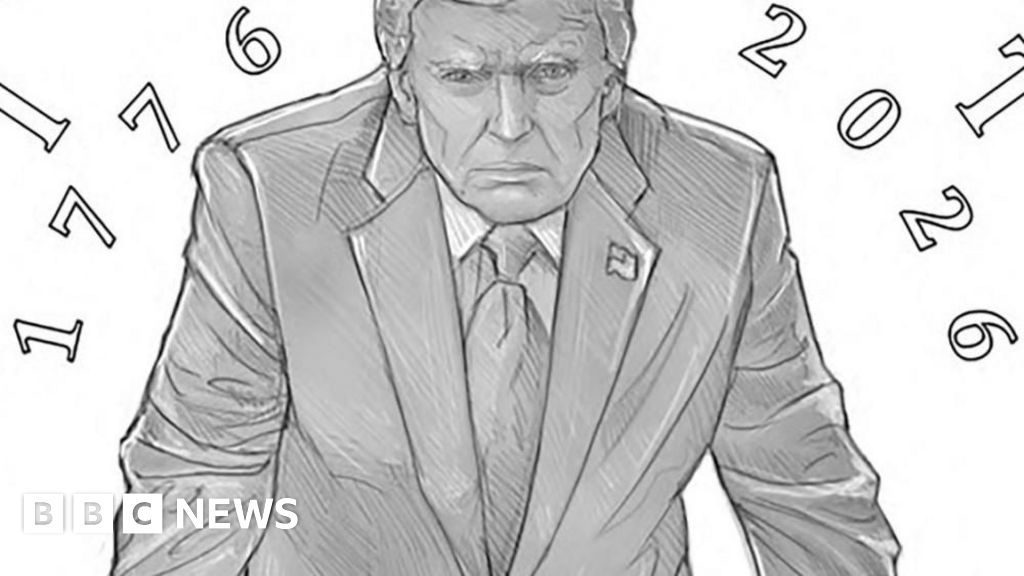
A 24-karat commemorative gold coin bearing President Donald Trump's likeness was unanimously approved by the US Commission of Fine Arts after a US Mint presentation; the design is intended for America's 250th birthday on 4 July and the commission encouraged sizing up to three inches in diameter. Federal law normally bars living presidents from appearing on US currency, but Treasury Secretary Scott Bessent is using discretion to authorize proof gold coins and is expected to order the coin once final dimensions are set; the decision follows last year's replacement of commission members with allies and an unpassed bill (the proposed "Trump Act") that would prohibit presidents from issuing currency with their own likeness.
The real significance here is institutional precedent: giving executive discretion to issue politically salient numismatics lowers the barrier for future administrations to weaponize perceived symbols of state for fundraising or messaging. That creates a 6–24 month window for legislative or judicial pushback; a court test on “currency vs commemorative medallion” or a narrowly targeted statute could force recalls, stop production mid-run, or create compensation claims that ripple through vendor contracts and inventory accounting.
On the market side, the concrete impact will concentrate in the numismatic supply chain and secondary-market platforms, not broad commodities markets. Expect a near-term retail bump in demand for large-format, high-purity pieces and a widening of dealer premiums by 50–200 basis points versus spot, concentrated in the 0–3 month sales window and again around next-year election-cycle anniversaries. Auction houses and online marketplaces typically capture outsized transaction fees and see volume spikes (historically 20–50% on politically charged lots), creating a transient revenue pop but also inventory and inventory-financing risk for smaller distributors.
Tail risks are legislative reversal, a successful constitutional challenge, or a PR-driven boycott that collapses collector demand — each can materialize within weeks (legislative rider) to months (litigation). Practically, this is an event-driven, idiosyncratic trade set: asymmetric upside if collector premiums and platform volumes ramp, asymmetric downside if issuance is enjoined or delisted, creating a high-volatility micro-market rather than a macro commodity story.
AI-powered research, real-time alerts, and portfolio analytics for institutional investors.
Request DemoOverall Sentiment
neutral
Sentiment Score
0.00
